How to Grow Herbs From Seeds Instead of Buying Expensive Starter Plants


The gentle rustle of a breeze through vibrant green leaves, the intoxicating aroma of fresh basil crushed between your fingers, or the bright, peppery kick of homegrown arugula elevating a simple salad – these are the moments that truly connect us to the earth and the incredible power of plants. As an herbalist and culinary writer, I’ve spent a decade exploring the magic that happens when we invite herbs into our lives, from the kitchen to the medicine cabinet, and most profoundly, into our gardens.
There’s a secret joy, a quiet revolution, in growing your own herbs from seed. Many of us default to buying those charming, albeit pricey, starter plants from nurseries or garden centers. While convenient, the true magic, the deepest connection, and certainly the most significant savings, come from nurturing a tiny seed into a flourishing plant. Imagine a single packet of basil seeds, costing just a few dollars, yielding dozens of robust plants, enough for pesto all summer long, countless Caprese salads, and even some to share with friends. That’s a stark contrast to the $4-6 you might spend on a single small plant. Beyond the economics, there’s an unparalleled satisfaction in witnessing life unfurl from a speck, transforming your windowsill or garden bed into a fragrant, living pantry.
The Ancient Roots of Our Modern Herb Gardens
Herbs have been intertwined with human civilization since time immemorial, long before the first garden center opened its doors. From the earliest hunter-gatherers discovering their medicinal properties to ancient Egyptian priests using them in sacred rituals, herbs have served as food, medicine, perfume, and spiritual aids across every culture on Earth. The Romans cultivated elaborate herb gardens for both culinary and healing purposes, while medieval monasteries became centers of herbal knowledge, meticulously documenting their uses. Indigenous cultures worldwide have preserved generations of wisdom about local flora, understanding the subtle energies and potent compounds within each leaf and root.
Today, this ancient legacy continues to thrive. Whether you’re a seasoned chef seeking the freshest flavors, a wellness enthusiast crafting your own herbal remedies, or simply someone yearning for a deeper connection to nature, growing herbs is a profoundly rewarding journey. It’s a return to self-sufficiency, a defiant act against the fleeting nature of supermarket produce, and a gentle reminder that some of the greatest pleasures in life are the simplest, most natural ones. By choosing to grow from seed, you’re not just cultivating plants; you’re cultivating patience, knowledge, and a deeper appreciation for the cycles of life.
Cultivating Your Own Herbal Haven: A Seed-Starting Guide
Embarking on the journey of growing herbs from seed might seem daunting at first, but I promise you, it’s incredibly accessible and deeply satisfying. Let’s break down the essentials for transforming those tiny seeds into an abundant, aromatic harvest.
Choosing Your Seeds and Supplies
The first step is often the most exciting: selecting your seeds! For beginners, I recommend starting with easy-to-germinate and fast-growing herbs like basil, cilantro, dill, parsley, chives, and chamomile. These are forgiving and offer quick rewards. Brands like Burpee Seeds offer a fantastic variety, and for organic or more unique varieties, I often turn to Mountain Rose Herbs or Frontier Co-op for high-quality, reputable seeds. Always check the seed packet for specific instructions on planting depth, spacing, and germination time, as these can vary significantly.
Beyond seeds, you’ll need a few basic supplies:
- Seed Starting Trays or Small Pots: Biodegradable peat pots, plastic cell packs, or even repurposed yogurt cups with drainage holes work wonderfully.
- Seed Starting Mix: This is crucial! Regular garden soil is too heavy and can contain pathogens. A light, sterile seed starting mix, like Miracle-Gro‘s Seed Starting Potting Mix, provides the ideal environment for delicate seedlings.
- Watering Can or Spray Bottle: For gentle watering that won’t dislodge tiny seeds.
- Labels: Essential for remembering what you planted where! Craft sticks or plastic labels work great.
- Light Source: A sunny south-facing window can work, but for stronger, less leggy seedlings, a simple fluorescent shop light or LED grow light suspended a few inches above the trays is a game-changer.
- Optional: Heating Mat: Many seeds germinate faster with bottom heat. This is especially helpful for warmth-loving herbs like basil.
Soil Requirements: The Foundation of Life
Herbs generally prefer well-draining soil. For seed starting, a specialized seed starting mix is paramount. It’s finer in texture, lighter, and typically sterile, reducing the risk of fungal diseases like “damping off” which can devastate young seedlings. Once your seedlings are ready for larger pots or the garden bed, a good quality potting mix (for containers) or well-amended garden soil (for in-ground planting) is key. For container growing, I often mix in some perlite or vermiculite to ensure excellent drainage, as soggy roots are the enemy of most herbs.
Sunlight Needs: Fueling the Green Engine
Most culinary herbs are sun-worshippers, thriving on at least 6-8 hours of direct sunlight per day. Think about their Mediterranean origins – bright, open spaces. For indoor seed starting, this means a very sunny window, or more reliably, supplemental grow lights. Once transplanted outdoors, choose a location in your garden that receives ample sun. For herbs like mint or cilantro, which can bolt (go to seed) quickly in intense summer heat, a spot with some afternoon shade can be beneficial.
Watering Schedule: The Art of Hydration
Watering correctly is one of the biggest challenges for new gardeners. For seeds and young seedlings, the soil needs to be consistently moist, but never waterlogged. Use a spray bottle to gently mist the surface until seeds germinate, or try bottom watering by placing your seed trays in a shallow pan of water for 10-15 minutes until the top of the soil appears moist. Once plants are established, allow the top inch or two of soil to dry out between waterings. Stick your finger in to check! Overwatering leads to root rot, while underwatering causes wilting. It’s a delicate balance you’ll master with practice.
Container vs. Ground Growing: Choosing Your Battlefield
Both methods have their merits.
- Containers: Ideal for small spaces, urban balconies, or for herbs that like to spread aggressively (like mint, which can quickly take over a garden bed if not contained). They offer flexibility – you can move plants to optimize sunlight or bring tender herbs indoors when frost threatens. Ensure pots have excellent drainage holes.
- Ground Growing: Allows herbs more room to grow large and robust. It’s often less work in terms of watering once established, as the soil retains moisture better. Perfect for creating dedicated herb gardens or integrating herbs into existing flower beds.
Many herbs, like rosemary, thyme, oregano, and sage, flourish in either, provided their needs are met.
Harvesting Techniques: The Gentle Art of Pruning
The beauty of growing herbs is that the more you harvest (correctly!), the more they produce.
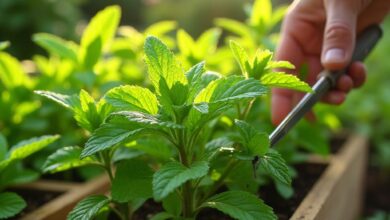
- Leafy Herbs (Basil, Cilantro, Parsley): Pinch off the top sets of leaves just above a node (where a new set of leaves emerges). This encourages bushier growth and prevents the plant from getting leggy and going to seed prematurely. For cilantro, harvest outer leaves regularly.
- Woody Herbs (Rosemary, Thyme, Oregano, Sage): Snip off sprigs as needed, making cuts just above a leaf node. Avoid taking more than 1/3 of the plant at once.
- Flowering Herbs (Chamomile, Lavender): Harvest flowers when they are fully open for teas or sachets.
Pest Control: Nature’s Little Hurdles
Even the healthiest gardens can attract a few unwelcome visitors. The key is early detection and natural remedies.
- Aphids: Small, pear-shaped insects that cluster on new growth. Blast them off with a strong stream of water, or use insecticidal soap (like a diluted Simply Organic dish soap solution) if severe.
- Spider Mites: Tiny arachnids that cause stippling on leaves and fine webbing. Increase humidity and use insecticidal soap.
- Slugs & Snails: Leave slimy trails and chew holes in leaves. Hand-pick them in the evening or set beer traps.
Healthy plants are more resilient, so focus on good soil, proper watering, and adequate sunlight.
Expert Insider Tips from My Herbalist’s Notebook
After years of dirt under my fingernails and countless experiments, here are a few gems I’ve picked up that will elevate your seed-starting game:
- Bottom Watering is Your Best Friend: For seedlings, placing your trays in a shallow pan of water for 15-20 minutes allows the soil to absorb moisture from the bottom up. This prevents disturbing delicate seeds, minimizes fungal issues, and encourages deeper root growth.
- The “Humidity Dome” Hack: After sowing seeds, cover your trays with a clear plastic dome or even plastic wrap. This creates a mini-greenhouse effect, maintaining crucial humidity for germination. Remove it as soon as sprouts appear to prevent damping off.
- Harden Off Your Babies: Don’t shock your tender seedlings by moving them directly from indoors to the harsh outdoor world. Over a week or two, gradually expose them to increasing periods of outdoor light, wind, and temperature fluctuations. Start with an hour in a sheltered spot, increasing daily. This makes them strong and resilient.
- Succession Planting for Continuous Harvest: For fast-growing annuals like basil, cilantro, and dill, sow a small batch of seeds every 2-3 weeks. This ensures a continuous supply throughout the growing season, preventing a glut and then a famine.
- Read the Fine Print (Seriously!): Every seed packet is a treasure trove of information. Pay close attention to “days to germination,” “planting depth,” and “light requirements for germination” (some seeds need light to germinate, others need darkness). Ignoring these details is a common pitfall.
Health and Wellness Benefits: More Than Just Flavor
Beyond the sheer joy of growing, fresh herbs are powerhouses of natural health and wellness. They’re packed with vitamins, minerals, antioxidants, and potent plant compounds that support our bodies in myriad ways. Think of the anti-inflammatory compounds in basil, the digestive aid properties of dill, or the calming effects of chamomile. Growing your own ensures you’re getting the freshest, most potent medicine and flavor, free from pesticides or unknown handling.
The act of gardening itself is a profound wellness practice. It reduces stress, fosters mindfulness, and provides gentle physical activity. Connecting with the soil, feeling the sun on your skin, and watching life emerge from your care can be incredibly therapeutic, boosting mood and fostering a sense of accomplishment. It’s a holistic experience that nourishes both body and soul.
Common Mistakes to Avoid on Your Seed-Starting Journey
Even seasoned gardeners make mistakes, but knowing the common pitfalls can save you a lot of frustration:
- Planting Seeds Too Deep or Too Shallow: Follow packet instructions! Tiny seeds often need light to germinate and are just pressed onto the surface, while larger seeds need to be covered.
- Overwatering or Underwatering: As discussed, consistency is key. Err on the side of slightly less water than too much.
- Not Enough Light: Leggy, spindly seedlings stretching desperately towards the light are a sure sign they need more illumination. Invest in a grow light if your natural light isn’t sufficient.
- Impatience: Germination takes time. Some seeds sprout in a few days, others can take weeks. Don’t give up too soon!
- Using Garden Soil for Seed Starting: It’s too heavy, compacts easily,