How to Grow Herbs Indoors Under Artificial Light When You Have No Sunlight

Cultivating a Culinary Oasis: Growing Herbs Indoors Under Artificial Light
Picture this: it’s the dead of winter, snow blankets the ground, and a chill permeates the air. Yet, in your kitchen, vibrant green basil leaves unfurl, their sweet, peppery aroma promising sun-drenched Italian meals. Delicate chive spears stand at attention, ready to elevate a simple omelet. And a sprig of rosemary, redolent with pine and citrus, awaits its destiny with roasted potatoes. This isn’t a dream; it’s the beautiful reality of growing fresh herbs indoors, even when the sun seems to have forgotten your window sills. Forget the notion that you need a sprawling garden or even a sunny balcony. With the magic of artificial light, anyone can transform a forgotten corner into a thriving, fragrant herb haven.
The Everlasting Allure of Fresh Herbs: A Global Legacy
From the ancient Egyptians using mint for digestive woes to Roman banquets adorned with fragrant bay laurels, herbs have woven themselves into the fabric of human history. They’ve been revered as medicines, celebrated as culinary treasures, and cherished for their symbolic power across cultures and continents. Think of basil, a staple in Mediterranean cuisine, tracing its origins to India, where it was considered sacred. Or rosemary, a symbol of remembrance, deeply rooted in European folklore and essential to French and Italian cooking. The desire for fresh, vibrant herbs is universal, connecting us to traditions thousands of years old.
In our modern world, where city living often means limited outdoor space and unpredictable climates, the yearning for a direct connection to nature and fresh produce remains strong. Growing herbs indoors under artificial light isn’t just a practical solution; it’s a revival of this ancient human desire, made accessible to everyone. It brings the vitality of the garden right into your home, offering a year-round bounty of flavor, fragrance, and well-being. It’s about more than just food; it’s about nurturing a living connection to the earth, no matter where you live.
Your Indoor Herb Garden: A Guide to Growing Under Lights
Embarking on your indoor herb-growing journey under artificial light is simpler than you might imagine. It’s about creating an environment that mimics nature’s best, tailored to the specific needs of your chosen green companions. Let’s dive into the essentials.
Choosing Your Herbs Wisely
Not all herbs are created equal when it comes to indoor growing under artificial lights. Some thrive beautifully, while others might struggle. My top recommendations for beginners, known for their adaptability and culinary versatility, include:
- Basil: Loves warmth and consistent light. Its sweet, peppery leaves are perfect for pesto or Caprese salad.
- Mint: Vigorous and easy to grow, but can be invasive, so keep it in its own pot! Great for teas, mojitos, or even just a refreshing garnish.
- Chives: Onion-like flavor, perfect for eggs, potatoes, and garnishes. Relatively low light needs.
- Parsley (flat-leaf and curly): A kitchen staple. Needs consistent moisture and good light.
- Cilantro: Can be a bit finicky (prone to bolting), but worth the effort for its distinctive flavor in Mexican and Asian dishes. Prefers cooler temperatures.
- Thyme: Hardy and low-growing, excellent for roasting meats or vegetables.
- Oregano: Robust and fragrant, essential for Italian and Greek cuisine.
- Rosemary: A woody herb that enjoys bright light and good air circulation.
The Heart of Your Garden: Artificial Lighting
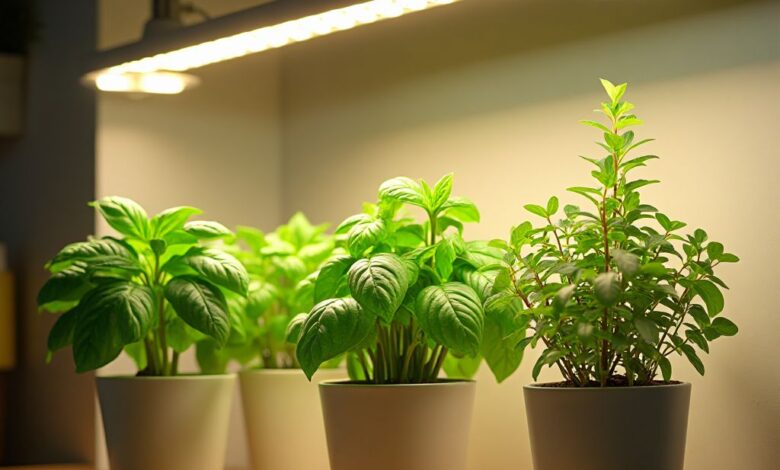
This is where the magic happens! Since you have no sunlight, your artificial lights are your plants’ sun. Investing in the right lighting setup is crucial.
-
Types of Grow Lights:
- LED Grow Lights: These are my absolute top recommendation for indoor herb growing. They are incredibly energy-efficient, produce very little heat (reducing the risk of burning plants), and come in full-spectrum options that mimic natural sunlight. Look for LEDs specifically designed for plant growth.
- Fluorescent Lights (T5 or T8): A more budget-friendly option, especially for starting seeds or growing herbs with lower light requirements like chives or mint. T5s are brighter and more efficient than T8s. They produce more heat than LEDs but are still manageable.
- Incandescent Lights: Avoid these. They produce too much heat and not the right light spectrum for robust plant growth.
-
Light Spectrum:
While plants primarily use blue and red light for photosynthesis, a “full spectrum” light that includes a broader range of colors, similar to natural sunlight, will result in healthier, more vigorous plants. Many modern LED grow lights offer excellent full-spectrum output.
-
Light Duration:
Herbs typically need 12-16 hours of light per day. Consistency is key, so I highly recommend using a simple grow light timer. This ensures your herbs get their “sun” on a regular schedule, even when you’re not around.
-
Light Distance:
The distance between your light source and your plants is critical. For most LED grow lights, aim for 6-12 inches above the plant canopy. Fluorescent lights can be a bit closer, around 4-6 inches. Observe your plants: if they’re stretching and looking leggy, the light might be too far away. If leaves are yellowing or browning, the light might be too close or too intense.
Soil and Containers: The Foundation
-
Soil Requirements:
Good drainage is paramount. Use a high-quality potting mix, not garden soil, which can be too heavy and contain pests. I often recommend a brand like Miracle-Gro Potting Mix for its consistency and nutrient balance. You can enhance drainage further by adding a bit of perlite or vermiculite.
-
Container Growing:
For indoor herbs, containers are your best friend. Choose pots with drainage holes – this is non-negotiable! Terracotta pots are excellent for herbs like rosemary and thyme that prefer slightly drier conditions, as they allow for good airflow. Plastic pots retain moisture longer, which is good for basil and mint. Size matters too: a 6-inch pot is a good starting point for most herbs, but larger, bushy herbs like rosemary will appreciate an 8-10 inch pot as they grow.
Watering Schedule: The Thirsty Truth
Overwatering is the number one killer of indoor plants. Instead of a strict schedule, learn to read your plants and their soil. Stick your finger about an inch into the soil; if it feels dry, it’s time to water. Water thoroughly until you see water draining from the bottom of the pot. Ensure no standing water remains in saucers underneath, as this can lead to root rot. Herbs like basil and mint prefer consistently moist soil, while rosemary and thyme like to dry out a bit between waterings.
Air Circulation and Humidity
Indoor environments can sometimes be stagnant or too dry. A small oscillating fan running on a low setting for a few hours a day can help strengthen stems, prevent fungal diseases, and ensure good air circulation. If your home is very dry, consider placing your pots on a pebble tray filled with water (ensure the pot itself isn’t sitting in the water) or using a small room humidifier to boost humidity, especially for humidity-loving herbs like basil.
Harvesting Techniques: Snip for Success
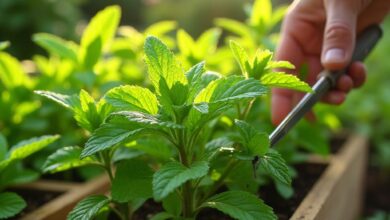
Regular harvesting encourages bushier growth and prevents your herbs from becoming leggy or going to seed prematurely. Always use clean, sharp scissors or pruning shears. For most herbs (basil, mint, parsley, cilantro), pinch or snip off the top few sets of leaves, just above a node (where leaves branch off). For woody herbs like rosemary and thyme, snip off the tips of branches. Never remove more than one-third of the plant at a time.
Pest Patrol: Keeping Critters at Bay
Even indoors, pests can find their way in. Common culprits include aphids, spider mites, and fungus gnats. Inspect your plants regularly. If you spot pests, gently wipe them off with a damp cloth or spray with an organic insecticidal soap or a diluted solution of Neem oil. Good air circulation also helps deter pests.
Propagation Methods: Expanding Your Green Family
Once you have a thriving herb garden, you can easily expand it! Many herbs are simple to propagate:
- Seeds: Purchase high-quality seeds from reputable sources like Burpee Seeds or Mountain Rose Herbs. Start them in small pots or seed-starting trays under your grow lights.
- Cuttings: Basil, mint, rosemary, and oregano are easily propagated from cuttings. Simply snip a 4-6 inch stem, remove the lower leaves, and place the cutting in a glass of water. Once roots appear (usually within 1-3 weeks), plant it in soil.
Expert Insider Tips for Your Indoor Herb Haven
- Rotate Your Pots: Even with excellent grow lights, rotating your pots every few days ensures all sides of the plant receive adequate light, promoting even growth and preventing leaning.
- Fertilize Sparingly: Indoor herbs generally don’t need a lot of fertilizer. A diluted, balanced liquid organic fertilizer (like those from Simply Organic) applied once a month during active growth is usually sufficient. Over-fertilizing can lead to leggy growth and chemical burn.
- The “Sniff Test” for Watering: Beyond the finger test, sometimes I just lean in and sniff the soil. A fresh, earthy smell usually means it’s moist enough. A completely odorless or dusty smell often indicates it’s time for a drink.
- Consider a Grow Tent or Shelf Unit: If you’re serious about growing multiple herbs, a small grow tent or a multi-tiered shelf unit with integrated grow lights can create a dedicated, controlled environment, optimizing light, humidity, and temperature.
- “Hardening Off” for Outdoor Transition: While this article focuses on indoor growing, if you ever decide to move your indoor herbs outside for the summer, remember to “harden them off” gradually. Expose them to increasing periods of outdoor light, wind, and temperature over a week or two to prevent shock.
Health and Wellness Benefits: Beyond the Plate
Beyond their incredible flavor, having fresh herbs at your fingertips offers a wealth of wellness benefits. Many common culinary