
How to Grow Rosemary in a Container That Thrives for Years and Years

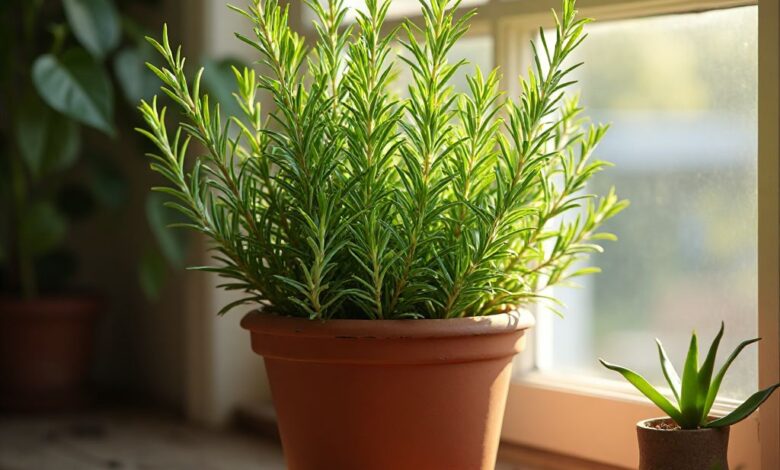
Grow Rosemary in a Container: A Journey to Thriving, Year After Year
Close your eyes for a moment and imagine the scent of a sun-drenched Mediterranean garden: a symphony of citrus, lavender, and that unmistakable, invigorating aroma of fresh rosemary. It’s a fragrance that instantly transports you, awakening the senses and promising culinary delights. But what if I told you that this taste of the Mediterranean, this vibrant herb brimming with history and flavor, could thrive not just in a sprawling garden, but right on your patio or windowsill, for years and years to come? It’s not just a dream; it’s an achievable reality, and I’m here to guide you to cultivate your very own evergreen rosemary success story.
Rosemary: A Tapestry of History, Lore, and Modern Life
Rosemary, or Rosmarinus officinalis, is more than just a culinary herb; it’s a living legend. Its name, derived from the Latin “ros marinus,” means “dew of the sea,” a poetic nod to its native habitat along the rocky, sun-drenched coasts of the Mediterranean. From ancient Greece and Rome to medieval Europe, rosemary has been revered. Greeks wove it into wreaths for scholars, believing it enhanced memory – a tradition so potent that Shakespeare immortalized it in Hamlet: “There’s rosemary, that’s for remembrance.”
It was a symbol of love and fidelity at weddings, a protector against evil spirits, and a fragrant strewing herb used to purify homes and deter pests. Its aromatic smoke was even used in sacred rituals. Today, rosemary continues to weave its magic, not just in our kitchens and gardens, but also as a powerful ally in natural wellness. It’s a herb that connects us to centuries of tradition, bringing a touch of ancient wisdom and vibrant flavor to our modern lives.
The Art of Growing Thriving Container Rosemary
Growing rosemary in a container isn’t just convenient; it’s often the secret to its longevity in climates less forgiving than its Mediterranean homeland. With the right approach, your potted rosemary will flourish, offering you endless sprigs for cooking, crafting, and simply enjoying its invigorating scent.
The Perfect Pot: Your Rosemary’s First Home
Choosing the right container is paramount. Rosemary despises “wet feet,” meaning its roots rot easily if left in standing water. Terracotta pots are my absolute favorite for rosemary. Their porous nature allows excess moisture to evaporate, providing excellent aeration for the roots. Look for a pot that’s at least 12 inches in diameter for a young plant, and be prepared to upgrade as your rosemary grows. Crucially, ensure the pot has ample drainage holes. If it doesn’t, drilling a few yourself is a worthwhile effort.
Soil Secrets: Mimicking the Mediterranean
Rosemary thrives in lean, well-draining soil, much like the sandy, rocky ground of its native habitat. Avoid heavy, moisture-retentive potting mixes. Instead, opt for a good quality potting mix specifically formulated for succulents or herbs, or create your own blend. I often use a mix of equal parts standard potting soil (like a good quality Miracle-Gro Potting Mix), perlite, and coarse sand or fine gravel. This ensures excellent drainage and aeration, preventing root rot. Rosemary prefers a slightly acidic to neutral pH (6.0-7.0).
Sunlight: A Lover of the Light
Rosemary is a sun worshipper. It demands at least 6-8 hours of direct sunlight per day to truly thrive. Place your container in the brightest spot you have – a south-facing balcony, a sunny patio, or a windowsill that receives abundant light. Inadequate light will lead to leggy growth, pale foliage, and a less aromatic plant. If growing indoors, consider supplementing with a grow light during darker winter months.
Watering Wisdom: Less is More
This is where many beginners go wrong. Rosemary is drought-tolerant and prefers to dry out between waterings. Overwatering is the most common killer of container rosemary. Stick your finger about an inch or two into the soil; if it feels dry, it’s time to water. Water thoroughly until you see water draining from the bottom of the pot. Then, don’t water again until the soil is dry to the touch. In hot, dry weather, this might be every few days; in cooler, humid conditions, it could be once a week or even less. Always err on the side of underwatering rather than overwatering.
Fertilizing: A Light Touch
Rosemary is not a heavy feeder. In fact, too much fertilizer can diminish its flavor and fragrance. If you’ve used a good quality potting mix, your plant should have enough nutrients for several months. If you notice slow growth or pale leaves, you can feed it sparingly with a balanced liquid fertilizer diluted to half strength, once or twice during the growing season (spring and summer). Avoid fertilizing in fall and winter when the plant is less active.
Harvesting for Health and Flavor
Regular harvesting encourages bushier growth and provides you with fresh sprigs. Use sharp, clean pruners or scissors to snip off sprigs as needed. Never remove more than one-third of the plant at a time, as this can stress it. Harvest from the tips of the branches to encourage new growth. The more you harvest, the more your rosemary will produce!
Fresh rosemary is incredibly versatile. It’s a star with roasted chicken, lamb, and potatoes. Finely chop it and mix it into olive oil for a fragrant dip, or infuse it into butter for a savory spread. It pairs beautifully with garlic, lemon, and thyme. For longer storage, fresh sprigs can be wrapped in a damp paper towel and stored in the refrigerator for up to two weeks, or dried for months. You can also freeze whole sprigs in freezer bags or chop and freeze in ice cube trays with olive oil.
Pest Patrol: Keeping Critters Away
Rosemary’s strong aroma often deters many common pests. However, it can occasionally fall prey to spider mites, especially when grown indoors in dry conditions. Look for fine webbing and tiny red or brown dots on the undersides of leaves. If you spot them, a strong spray of water can dislodge them, or you can use an insecticidal soap or neem oil spray. Regular inspection is your best defense.
Propagation: Sharing the Love
Rosemary is wonderfully easy to propagate from cuttings. In late spring or early summer, take 4-6 inch cuttings from healthy, non-flowering stems. Remove the leaves from the bottom 2 inches and dip the cut end in rooting hormone (optional, but it helps). Plant the cuttings in a small pot filled with moist, well-draining potting mix. Keep the soil consistently moist (but not waterlogged) and place in a warm, bright spot out of direct sun. You’ll typically see roots develop in 4-8 weeks. While you can start rosemary from seed, like those from Burpee Seeds, cuttings are much faster and more reliable for established plants.
Expert Insider Tips for Rosemary Mastery
- The Winter Retreat: In colder climates (USDA zones 7 and below), rosemary is not fully hardy. To ensure your container plant thrives for years, bring it indoors before the first hard frost. Find a cool, sunny spot – an unheated porch, a bright basement window, or a cool sunroom. Reduce watering significantly during its indoor stay, letting the soil dry out almost completely between waterings.
- Air Circulation is Key: Rosemary loves good air circulation. Indoors, ensure it’s not crammed amongst other plants. Outdoors, don’t tuck it into a corner where air stagnates. Good airflow helps prevent fungal diseases and pest issues.
- Strategic Pruning: Don’t just harvest; prune for shape and health. After flowering, or in early spring, give your rosemary a more substantial trim to maintain its size and encourage dense, bushy growth. This also prevents it from becoming woody and leggy.
- Repotting Routine: Every 1-2 years, your rosemary will likely benefit from repotting. Gently remove it from its current pot, loosen any circling roots, and either move it to a slightly larger pot (if it’s outgrown its current one) or prune back some of the roots and replant it in the same pot with fresh soil. This revitalizes the plant.
- The “Lean” Diet for Flavor: Remember, rosemary prefers lean soil. Avoid over-fertilizing, as this can lead to lush, fast growth but a less concentrated, less aromatic flavor. A slightly stressed rosemary often yields the most potent aroma and taste.
Health and Wellness Benefits: Beyond the Kitchen
Rosemary isn’t just a culinary delight; it’s a powerhouse of wellness. For centuries, it has been valued in traditional medicine for its therapeutic properties, many of which are now supported by modern research.
- Memory and Focus: As the ancients believed, rosemary truly is for remembrance. Studies suggest that inhaling the aroma of rosemary, or consuming its compounds, can improve cognitive performance, alertness, and memory recall.
- Antioxidant Rich: Rosemary is packed with antioxidants, particularly rosmarinic acid and carnosic acid, which help combat free radicals in the body, protecting cells from damage and reducing inflammation. This makes it a great ally for overall cellular health.
- Anti-inflammatory Properties: Its anti-inflammatory compounds can help reduce inflammation throughout the body, potentially easing symptoms of conditions like arthritis.
- Digestive Aid: Traditionally, rosemary has been used to soothe digestive upset, relieve indigestion, and stimulate appetite. It can aid in the digestion of fats.
- Mood Booster: The invigorating scent of rosemary is known to be stimulating and uplifting, potentially reducing stress and improving mood. Consider diffusing rosemary essential oil (from reputable sources like Mountain Rose Herbs or Frontier Co-op) or simply crushing a sprig in your hands.
Common Mistakes to Avoid for Rosemary Newbies
Don’t worry, we all learn through trial and error! But here are the most common pitfalls to sidestep:
- Overwatering: This is by far the biggest killer of container rosemary. Always check the soil moisture before watering.
- Poor Drainage: A pot without drainage holes or soil that’s too heavy will lead to waterlogging and root rot.
- Insufficient Sunlight: Rosemary needs full sun. A dim corner will result in a weak, leggy, and flavorless plant.
- Wrong Pot Size: Starting with a pot that’s too large can keep the soil wet for too long, leading to root issues. Gradually increase pot size as the plant grows.
- Ignoring Winter Needs: Forgetting to bring tender rosemary indoors in cold climates means saying goodbye to your beloved plant.
Safety and Precautions: A Word of Caution
While rosemary is generally safe for culinary use, there are a few considerations:
- Pregnancy and Breastfeeding: Pregnant and breastfeeding women should use rosemary in moderation, particularly avoiding large medicinal doses or concentrated essential oils, as it can have uterine stimulant effects.
- Blood Pressure: Large medicinal doses of rosemary may potentially raise blood pressure. Individuals with high blood pressure should consult their doctor before using rosemary therapeutically.
- Bleeding Disorders: Rosemary may have mild anticoagulant effects, so those with bleeding disorders or on blood-thinning medications should use caution.
- Essential Oil Use: Rosemary essential oil is highly concentrated and should never be ingested without expert guidance. Always dilute it properly for topical use.
- Allergies: As with any plant, some individuals may have an allergic reaction to rosemary.
When in doubt, especially concerning medicinal use or interactions with medications, always consult with a qualified healthcare professional or an experienced herbalist.
Your Rosemary Journey Begins Now!
There’s a profound satisfaction that comes from plucking a fresh sprig of rosemary from your own thriving container plant, its aroma filling the air, ready to elevate a simple meal or infuse a moment of calm into your day. It’s a connection to nature, a taste of history, and a testament to your green thumb. By following these guidelines, you’re not just growing an herb; you’re cultivating a resilient, fragrant companion that will enrich your life for years to come.
So, what are you waiting for? Head to your local nursery, pick out a healthy rosemary start, grab a beautiful terracotta pot, and embark on this rewarding journey. Your kitchen, your senses, and your well-being will thank you. Happy growing!