How to Infuse Vinegar With Fresh Herbs for Incredible Homemade Dressings


Infuse Your Life: Crafting Incredible Homemade Dressings with Fresh Herb Vinegars
Imagine a vibrant green basil leaf, sun-kissed and fragrant, steeping slowly in a clear, golden apple cider vinegar. The subtle dance of its essential oils transforming an ordinary pantry staple into a liquid symphony of flavor. That’s the magic of herb-infused vinegars, and once you experience their incredible depth, you’ll wonder how your kitchen ever lived without them. Forget those one-note store-bought dressings; we’re about to unlock a world where every salad, every marinade, and every drizzle becomes a masterpiece of fresh, natural taste.
A Journey Through Time: The Ancient Roots of Infused Vinegars
The art of infusing vinegar with herbs is far from a modern culinary trend; it’s a practice steeped in centuries of tradition, echoing through the kitchens and apothecaries of ancient civilizations. Vinegar itself, meaning “sour wine” from the French “vin aigre,” has been a staple for millennia, dating back to Babylonian times around 5000 BC. It was revered not just as a preservative and condiment, but also for its perceived medicinal properties.
The Romans, known for their sophisticated culinary tastes, regularly incorporated herb-infused vinegars into their diets. They would steep everything from rosemary and thyme to rose petals and fennel in vinegar, using these aromatic liquids to flavor dishes, tenderize meats, and even create refreshing beverages. In medieval Europe, “vinegar-men” were common figures, selling various flavored vinegars for both culinary and medicinal purposes. Monasteries, with their extensive herb gardens, were often at the forefront of this craft, perfecting techniques for extracting the essence of their botanical treasures. The practice continued to flourish through the Renaissance and into the Enlightenment, becoming a hallmark of sophisticated cooking and natural remedies across cultures, from the Mediterranean’s sun-drenched hillsides to the bustling spice markets of the East. Today, this ancient wisdom offers us a simple, elegant way to bring vibrant, natural flavors and a touch of history into our modern kitchens, connecting us to a rich heritage of culinary ingenuity and natural wellness.
Mastering the Art: Your Guide to Herb-Infused Vinegars
Choosing Your Canvas: Vinegar & Herb Pairings
The beauty of herb-infused vinegar lies in its versatility. The first step is selecting the right vinegar and complementary herbs. Think of your vinegar as the canvas and your herbs as the vibrant paints.
- White Wine Vinegar: Crisp, clean, and mild. Excellent for delicate herbs like dill, tarragon, chives, and lemon balm. It allows the subtle nuances of the herbs to shine.
- Red Wine Vinegar: More robust with a fruity, tangy profile. Perfect for heartier herbs such as rosemary, oregano, thyme, and marjoram.
- Apple Cider Vinegar (ACV): Fruity, slightly sweet, and immensely popular for its health benefits. It pairs beautifully with basil, mint, sage, and even fruity additions like berries. Brands like Bragg Organic Apple Cider Vinegar are fantastic choices for their quality and raw, unfiltered nature.
- Champagne Vinegar: Light and elegant, ideal for sophisticated infusions with delicate floral notes or subtle herbs like lavender or chive blossoms.
Now for the stars of the show: your fresh herbs! Aim for herbs at their peak, vibrant and fragrant. Here are some incredible combinations to get you started:
- Mediterranean Medley: Rosemary, Thyme, and Oregano in red wine vinegar. Perfect for lamb, roasted vegetables, or a robust vinaigrette.
- Garden Fresh: Basil and a touch of garlic in white wine or apple cider vinegar. A classic for Caprese salads or drizzling over fresh tomatoes.
- Herbes de Provence Inspired: Savory, Marjoram, and a sprig of Lavender in champagne or white wine vinegar. Elevates chicken, fish, and delicate greens.
- Minty Zest: Peppermint or Spearmint with a few lemon peels in apple cider vinegar. Wonderful for fruit salads, iced tea, or a refreshing dressing.
- Dill & Cucumber: Fresh dill fronds in white wine vinegar. An absolute dream for potato salads, fish, or a light cucumber dressing.
The Infusion Process: Step-by-Step to Flavor Perfection
Creating your own herb-infused vinegar is a simple, meditative process that yields incredibly rewarding results. Here’s how to do it:
1. Gather Your Essentials
- Fresh Herbs: As mentioned, choose vibrant, healthy sprigs. If you’re growing your own, harvest them in the morning after the dew has dried. If purchasing, look for organic options.
- High-Quality Vinegar: Select your preferred type (white wine, red wine, ACV, etc.).
- Clean Glass Bottles or Jars: Sterilized jars with tight-fitting lids are crucial. Swing-top bottles work wonderfully.
- Optional: Garlic cloves, peppercorns, dried chili flakes, citrus peel for extra flavor dimensions.
2. Prepare Your Herbs
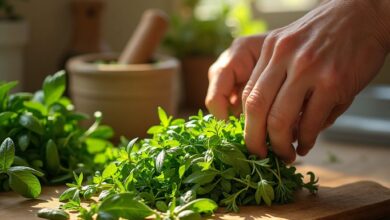
Gently wash your fresh herbs under cool water. The most critical step here is to ensure they are completely dry. Any moisture can introduce mold and spoil your vinegar. Pat them thoroughly with a clean kitchen towel or use a salad spinner. For larger, woody herbs like rosemary or thyme, you can lightly bruise them by gently rolling them between your hands or giving them a light tap with a spoon to release more essential oils. For delicate herbs like basil or mint, simply remove any damaged leaves.
3. The Infusion
Carefully place your chosen herbs into your clean, sterilized glass bottle or jar. Don’t pack them too tightly; you want the vinegar to circulate freely around them. For a visually appealing bottle, try to arrange the sprigs artfully.
Pour your vinegar over the herbs, ensuring they are completely submerged. Leave about an inch of headspace at the top of the bottle. If any herbs are exposed to air, they are susceptible to mold. Seal the bottle tightly with its lid.
4. The Waiting Game
Place your sealed bottle in a cool, dark place, away from direct sunlight. A pantry or cupboard is ideal. While some methods suggest infusing in sunlight, this can sometimes lead to spoilage or dulling of flavors. Allow the herbs to infuse for at least 1-2 weeks, and up to 4 weeks for a more potent flavor. Give the bottle a gentle shake every few days to encourage the infusion process.
5. Strain and Bottle
Once your vinegar has reached your desired flavor intensity (taste-test after a week!), it’s time to strain. Line a fine-mesh sieve with a double layer of cheesecloth and place it over a clean bowl or measuring cup. Pour the infused vinegar through the sieve, allowing all the liquid to pass through. Discard the spent herbs.
Pour the now-infused vinegar into fresh, clean, sterilized bottles. For an aesthetic touch and a hint of the flavor profile, you can add a fresh, clean sprig of the herb to each new bottle. Seal tightly and label clearly with the herb type and date.
Storage Savvy
Store your finished herb-infused vinegars in a cool, dark pantry. They will generally keep for 6 months to a year, though their flavor might mellow over time. If you notice any cloudiness, mold, or off-smells, it’s best to discard it.
Culinary Adventures: Using Your Infused Vinegars
Now for the fun part! Your homemade herb-infused vinegars are incredibly versatile:
- Dressings: The most obvious use! Whisk with olive oil (try a quality extra virgin olive oil), a touch of Dijon mustard, salt, and pepper for an unparalleled vinaigrette.
- Marinades: Tenderize and flavor meats, poultry, fish, and vegetables before grilling, roasting, or pan-frying.
- Finishing Touches: Drizzle over roasted vegetables, grilled fish, soups, or even fresh fruit for an unexpected zing.
- Pickling: Use them as a base for quick pickling vegetables like cucumbers, onions, or carrots.
- Sauces & Reductions: Deglaze a pan after searing meat, or reduce slightly to create a concentrated, flavorful sauce.
- Shrubs & Drinks: A splash of herb vinegar can add complexity to sparkling water or cocktails.
Expert Insider Tips from the Herb Garden
- Bone-Dry is Key: I cannot stress this enough – ensure your fresh herbs are absolutely, unequivocally dry. Even a single droplet of water can introduce bacteria and mold, ruining your batch. After washing, use a salad spinner and then spread them on a clean towel for several hours, or even overnight, to air dry completely.
- Bruise, Don’t Mangle: For woody herbs like rosemary, thyme, or oregano, gently bruising the leaves or stems (a light roll between your palms, or a gentle tap with a wooden spoon) before adding them to the vinegar will help release their essential oils and intensify the flavor. Avoid crushing them to a pulp, as this can release bitter notes.
- Taste Test as You Go: Don’t be afraid to taste your vinegar periodically during the infusion process, starting after about a week. Herbs infuse at different rates. Some delicate herbs might be perfect in 10 days, while heartier ones could benefit from 3-4 weeks. This allows you to remove the herbs at their peak flavor without over-extracting.
- The Power of the Presentation Sprig: After straining, add a fresh, clean sprig of the same herb to the finished bottle. Not only does this look beautiful, making it a perfect gift, but it also serves as a visual reminder of the vinegar’s flavor profile. Just make sure this final sprig is also completely dry.
- Embrace the Unusual: Beyond the common culinary herbs, experiment! Try chive blossoms for a beautiful pink hue and mild oniony flavor, calendula petals for a sunny color and peppery note, or even fennel fronds for a delicate anise twist. The garden is your playground!
The Wellness Boost: Health Benefits of Herb-Infused Vinegars
Beyond their incredible flavor, herb-infused vinegars offer a gentle boost to your wellness routine. The base, vinegar (especially raw, unfiltered apple cider vinegar like Bragg’s), has long been celebrated for its digestive benefits. It can help stimulate digestive enzymes, balance stomach acid, and potentially aid in nutrient absorption. Some studies suggest regular vinegar consumption may help regulate blood sugar levels, particularly after meals.
When you infuse vinegar with fresh herbs, you’re also extracting some of their natural goodness. Herbs like rosemary and thyme are rich in antioxidants and have anti-inflammatory properties. Basil is known for its vitamin K and antioxidant content. Dill contains compounds that can aid digestion. By incorporating these flavorful vinegars into your diet, you’re not just adding taste; you’re subtly enhancing your intake of beneficial plant compounds. It’s a simple, delicious way to embrace a more natural, whole-foods approach to health, making your meals not just enjoyable, but also nourishing.
Common Pitfalls to Sidestep for Infusion Success
Even seasoned herbalists and chefs have made these mistakes. Here’s how to avoid common pitfalls on your journey to perfect herb-infused vinegars:
- The Wet Herb Fiasco: As emphasized, moisture is the enemy. Wet herbs are a fast track to mold, cloudiness, and spoilage. Always ensure your herbs are bone-dry before submerging them in vinegar.
- Overcrowding the Bottle: While it might seem like more herbs mean more flavor, stuffing your jar too full can hinder proper infusion. The vinegar needs space to circulate around the herbs to extract their essence effectively. It can also lead to an overly strong, sometimes bitter, flavor.
- Forgetting to Strain: Leaving the herbs in the vinegar indefinitely can lead to bitterness or a “muddied” flavor as the herbs break down. It’s best to strain them out after the desired infusion time.
- Poor Quality Ingredients: Just like any culinary endeavor, the quality of your starting ingredients matters. Using a cheap, low-quality vinegar or wilted, flavorless herbs will result in a mediocre infused product. Invest in good quality vinegar and fresh, vibrant herbs. Brands like Frontier Co-op or Mountain Rose Herbs are excellent if you’re ever using dried herbs for other preparations, but for this, fresh is best!
- Skipping Sterilization: Cleanliness is next to godliness in food preservation. Ensure your bottles, lids, and any utensils used are thoroughly cleaned and sterilized to prevent contamination.
- No Labels, No Clue: In the excitement of creation, it’s easy to forget to label. Trust me, a few weeks later, you’ll be sniffing bottles trying to distinguish your rosemary from your thyme vinegar. Label with the herb(s) and the date of bottling.
Safety First: A Note on Precautions
For the vast majority of people, consuming culinary herb-infused vinegars is perfectly safe and a delightful addition to the diet. The acidity of vinegar naturally inhibits the growth of most harmful bacteria. However, a few general precautions are always wise:
- Cleanliness is Paramount: Always ensure your hands, tools, and bottles are scrupulously clean and sterilized to prevent any bacterial contamination.
- Listen to Your Body