How to Make a Relaxing Lavender Tea That Calms Your Mind in Minutes

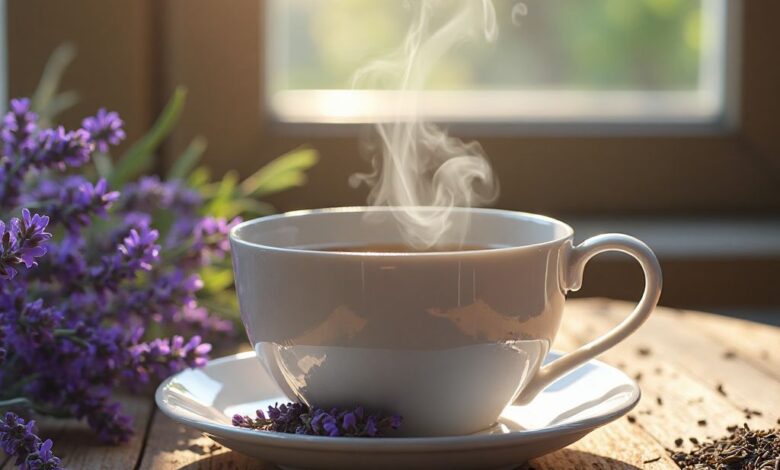
Welcome, dear friends and fellow plant lovers, to a journey into the heart of tranquility. Have you ever caught a whisper of a scent, a delicate, floral breeze that instantly stills the bustling thoughts in your mind and replaces them with a profound sense of calm? For me, that magic often comes in the form of lavender. Just a whiff of its intoxicating aroma can transport me to a sun-drenched field in Provence, a place where time slows, and worries melt away like morning dew. Today, we’re going to bottle that feeling, not in a perfume, but in a cup – a cup of the most exquisitely relaxing lavender tea that promises to calm your mind in mere minutes.
Before we dive into the brewing magic, let’s take a moment to appreciate the venerable history of this remarkable herb. Lavender, derived from the Latin word ‘lavare’ meaning ‘to wash,’ has been cherished for millennia not just for its cleansing properties, but for its profound impact on well-being. Ancient Egyptians used lavender for mummification and perfumery, while the Greeks revered it for its medicinal qualities, often prescribed for insomnia and back pain. The Romans, those masters of bathhouses and luxury, incorporated lavender extensively into their bathing rituals, understanding its soothing effects on both body and spirit. They even spread lavender across Europe as their empire expanded, cultivating it wherever they went. From medieval monasteries where it was used as a strewing herb to ward off illness and evil spirits, to Victorian boudoirs where it filled sachets and potpourri, lavender has been a constant companion in humanity’s quest for peace and comfort. Today, in our fast-paced world, its ancient wisdom is more relevant than ever, offering a gentle, natural antidote to the relentless pressures of modern life, connecting us to a lineage of calm that spans centuries and continents.
Choosing Your Lavender: Culinary Grade is Key
The first, and perhaps most crucial, step in crafting your perfect lavender tea is selecting the right kind of lavender. Not all lavender is created equal, especially when it comes to consumption. You absolutely must seek out culinary grade lavender, specifically from the species Lavandula angustifolia, often referred to as English lavender or true lavender. This variety has a sweeter, less camphoraceous flavor profile compared to other types like Lavandula x intermedia (lavandin), which is more commonly used in essential oils or perfumes and can be quite bitter when ingested. You can find high-quality dried culinary lavender from reputable suppliers like Mountain Rose Herbs or Frontier Co-op, both of whom I’ve trusted for years for their commitment to organic and sustainably sourced herbs. Look for vibrant purple buds that are whole and fragrant, not faded or dusty. If you’re lucky enough to have fresh lavender growing in your garden, that’s even better! Just ensure it hasn’t been treated with pesticides.
The Art of Brewing the Perfect Lavender Tea
Brewing lavender tea is a simple pleasure, but a few key steps will elevate it from a mere infusion to a truly transcendent experience. Precision in measurements and temperature makes all the difference for this delicate herb.
Ingredients:
- 1 teaspoon dried culinary lavender buds (or 2 teaspoons fresh)
- 8 ounces (1 cup) filtered water
- Optional: 1 teaspoon raw honey, a slice of lemon, or a sprig of fresh mint
Instructions:
-
Heat Your Water: Bring 8 ounces of fresh, filtered water to just under a boil. The ideal temperature for delicate floral teas like lavender is around 195-205°F (90-96°C). Boiling water can sometimes “burn” the delicate notes of lavender, leading to a slightly harsher taste.
-
Prepare Your Infusion: Place the lavender buds into a tea infuser, a French press, or directly into your teacup if you don’t mind straining later. A beautiful glass teapot with a built-in infuser really enhances the visual ritual.
-
Pour and Steep: Pour the hot water over the lavender. Cover your cup or teapot to keep the heat and aromatic compounds from escaping. This is crucial for maximizing both flavor and the beneficial qualities of the tea.
-
Steep with Intention: Let the lavender steep for 3-5 minutes. For a lighter, more floral tea, steep for 3 minutes. If you prefer a stronger, more pronounced flavor, go for 5 minutes. Beyond 5 minutes, you risk developing a bitter taste, which we want to avoid!
-
Strain and Serve: Remove the infuser or strain the tea to separate the lavender buds. If desired, stir in a teaspoon of raw honey for a touch of sweetness or add a thin slice of lemon to brighten the flavor. The natural sweetness of honey complements lavender beautifully, and for a truly artisanal touch, consider a local wildflower honey.
Flavor Combinations and Enhancements
While lavender tea is delightful on its own, it also plays well with others! For a truly unique and personalized blend, consider these pairings:
-
Lavender & Chamomile: A classic duo for ultimate relaxation. Add a teaspoon of chamomile flowers along with your lavender for a deeper sedative effect.
-
Lavender & Peppermint: For a soothing yet refreshing cup, especially after a meal. The mint adds a lovely lift to the floral notes.
-
Lavender & Rose: A romantic and deeply calming blend. A few dried rose petals or a sprinkle of rosewater can transform your tea into an elegant elixir.
-
Lavender & Lemon Verbena: This combination offers a bright, citrusy counterpoint to lavender’s floral notes, creating a wonderfully uplifting yet calming brew.
Hot and Cold Variations
Lavender tea isn’t just for chilly evenings. It’s wonderfully versatile!
-
Iced Lavender Tea: Brew a stronger batch of lavender tea (using 1.5-2 teaspoons of lavender per 8 ounces of water and steeping for 5-7 minutes). Let it cool completely, then pour over ice. Add a squeeze of lemon and a sprig of fresh mint for a refreshing summer cooler.
-
Lavender Lemonade: Combine cooled, strong lavender tea with freshly squeezed lemon juice and a touch of agave or simple syrup. This vibrant, fragrant drink is a showstopper at any gathering.
Serving Suggestions
Beyond just sipping, make your lavender tea a moment. Serve it in your favorite mug, perhaps by a window as you watch the world go by, or as the grand finale to a quiet evening routine. It’s perfect before meditation, journaling, or simply unwinding with a good book. Turn off the screens, light a candle, and let the gentle warmth and aroma envelop you.
Expert Insider Tips
-
The “Less is More” Mantra: With lavender, especially when brewing, less is often more. Over-steeping or using too many buds will result in a bitter, soapy taste that can be off-putting. Start with the recommended amount and adjust incrementally to find your perfect balance.
-
Cultivate Your Own Calm: If you have a garden, even a small balcony, consider growing your own culinary lavender. Varieties like ‘Munstead’ or ‘Hidcote’ are excellent choices. Burpee Seeds offers a fantastic selection for home gardeners. There’s an unparalleled satisfaction in harvesting your own herbs. Just remember to harvest the flower spikes when the buds are just opening for the best fragrance and flavor, and dry them in a cool, dark, well-ventilated area.
-
Water Quality Matters: The quality of your water can dramatically impact the taste of your tea. Filtered water is always best, as tap water can contain chlorine or other minerals that interfere with the delicate flavors of lavender. Think of it as a clean canvas for your herbal masterpiece.
-
Store Smart for Freshness: Dried lavender buds should be stored in an airtight container, away from direct sunlight and heat. This preserves their volatile oils and extends their shelf life, ensuring each cup is as potent and fragrant as the last. A cool, dark pantry is ideal.
-
Infuse a Mindful Moment: Don’t just drink the tea; experience it. Before your first sip, inhale the steam deeply. Notice the delicate floral notes. Feel the warmth of the cup in your hands. This simple act of mindfulness can amplify the calming effects of the lavender itself.
Health and Wellness Benefits
The beauty of lavender tea extends far beyond its exquisite taste and aroma. For centuries, and now supported by modern research, lavender has been revered for its profound natural health benefits, particularly for the mind and nervous system.
-
Stress and Anxiety Reduction: This is lavender’s superstar quality. Research suggests that compounds in lavender, particularly linalool and linalyl acetate, interact with neurotransmitters in the brain, producing anxiolytic (anxiety-reducing) and sedative effects. A warm cup of lavender tea can help quiet racing thoughts and ease the physical manifestations of stress.
-
Improved Sleep Quality: Often dubbed “nature’s sedative,” lavender is a beloved natural remedy for insomnia and restless sleep. Sipping lavender tea before bed can promote relaxation, making it easier to fall asleep and enjoy a more restorative night’s rest. Forget counting sheep; brew some lavender!
-
Headache Relief: For those suffering from tension headaches or even migraines, lavender’s calming and anti-inflammatory properties can offer gentle relief. The act of sipping a warm, fragrant tea itself can be therapeutic, easing muscle tension in the head and neck.
-
Digestive Support: Lavender isn’t just for the mind; it can also soothe the gut. Its antispasmodic properties may help relax digestive muscles, easing discomfort from indigestion, bloating, or mild stomach cramps, especially those brought on by stress.
-
Mood Elevation: Beyond calming, lavender has been shown to have mood-enhancing properties. Its beautiful aroma can positively impact emotional well-being, helping to gently lift spirits and foster a sense of contentment.
Common Mistakes to Avoid
Even the simplest rituals can go awry without a little guidance. Here are a few common pitfalls to steer clear of when brewing your lavender tea:
-
Using Non-Culinary Lavender: This is the biggest mistake. Never use lavender essential oil meant for diffusers or perfume-grade lavender in your tea. It can be toxic and will taste terrible. Always, always opt for *culinary grade* dried lavender buds.
-
Over-Steeping: As mentioned, steeping lavender for too long (more than 5-7 minutes) can extract bitter compounds, leading to a “soapy” or unpleasant flavor. Stick to the recommended times.
-
Boiling Water: While many teas benefit from boiling water, delicate floral herbs like lavender can be scorched by water that’s too hot, diminishing their nuanced flavors and beneficial compounds. Aim for just under a boil.
-
Ignoring Water Quality: Don’t underestimate the impact of your water. Chlorinated or hard tap water can drastically alter the taste of your tea. Use filtered water for the purest flavor.
-
Using Stale Lavender: Old, faded lavender buds will lack the vibrant aroma and beneficial properties you’re seeking. If your dried lavender has lost its color and fragrance, it’s time for a fresh batch from a trusted source like Mountain Rose Herbs.
Safety and Precautions
While lavender tea is generally safe and well-tolerated for most individuals, it’s always wise to be aware of potential precautions, especially if you have underlying health conditions or are taking medications.
-
Pregnancy and Breastfeeding: While some sources suggest lavender is safe in moderation, it’s always best to consult with your doctor or a qualified herbalist before consuming lavender tea if you are pregnant or breastfeeding.
-
Sedative Medications: Lavender has sedative properties, so it may enhance the effects of other sedatives, anti-anxiety medications, or sleep aids. If you are on such medications, discuss with your healthcare provider before incorporating lavender tea into your routine.
-
Allergies: Although rare, some individuals may have an allergic reaction to lavender. If you experience any adverse symptoms like skin rash, headache, or digestive upset, discontinue use.
-
Surgery: Due to its potential to slow down the central nervous system, it’s often recommended to stop consuming lavender at least two weeks before any scheduled surgery.
-
Moderation is Key: As with any herb, enjoy lavender tea in moderation. One to three cups a day is generally considered a safe and beneficial amount for most adults.
There you have it, dear friends – the complete guide to unlocking the gentle power of lavender in a soothing cup of tea. From its ancient roots in Roman baths to its modern role as a beacon of calm in our busy lives, lavender offers a simple, yet profound path to tranquility. Imagine the delicate floral aroma