How to Grow an Edible Flower and Herb Garden That Looks Stunning Too


How to Grow an Edible Flower and Herb Garden That Looks Stunning Too
Imagine stepping into your garden, not just to gather ingredients for dinner, but to pluck a handful of vibrant petals that will transform your salad into a work of art, or snip fragrant sprigs that promise a calming evening tea. This isn’t just a fantasy; it’s the everyday joy of an edible flower and herb garden. Did you know that the humble nasturtium, with its fiery orange and yellow blooms, offers a peppery kick akin to watercress, making it a spectacular and surprising addition to any dish? It’s this delightful fusion of beauty and utility that makes growing your own edible paradise one of the most rewarding journeys you can embark on.
The Roots of Beauty and Bounty: A Glimpse into Edible Gardens
For centuries, long before the advent of modern supermarkets, gardens weren’t merely about aesthetics; they were vital sources of sustenance, medicine, and beauty. From the meticulously planned monastic gardens of medieval Europe, rich with healing herbs and culinary staples, to the vibrant “potagers” of French chateaus where vegetables, fruits, herbs, and flowers coexisted in stunning harmony, the concept of an integrated edible landscape is deeply rooted in human history. The Romans adorned their dishes with rose petals and mallow flowers, while ancient Egyptians incorporated calendula and borage into their healing remedies. In cultures across the globe, from the marigold-strewn altars of Mexico to the lavender fields of Provence, edible flowers and herbs have woven themselves into the fabric of daily life, offering not just flavor and fragrance, but also a profound connection to the earth’s cycles. Today, as we increasingly seek sustainable and joyful ways to nourish ourselves, rediscovering the art of growing a beautiful edible garden feels less like a trend and more like a homecoming.
Cultivating Your Edible Oasis: A Gardener’s Guide to Stunning Success
Creating a garden that’s both a feast for the eyes and a pantry for the kitchen is simpler than you might think. It’s all about understanding the needs of your plants and arranging them with a designer’s eye. Let’s dig in!
Designing for Dazzle: Layout and Aesthetics
The secret to a stunning edible garden lies in thoughtful design. Think in terms of layers, textures, and colors, just as you would with purely ornamental beds.
- Vertical Interest: Use trellises for climbing nasturtiums or passionflower, or create tiered planters with herbs like rosemary and thyme cascading over the edges.
- Color Palettes: Plan your garden like a painting. Group plants with complementary colors (e.g., purple basil with yellow calendula) or create a monochrome masterpiece (various shades of green herbs interspersed with white alyssum).
- Texture Play: Combine the feathery fronds of dill with the broad leaves of borage, and the delicate petals of violas with the sturdy spikes of lavender.
- Paths and Borders: Define your garden spaces with charming paths (gravel, stepping stones) and edible borders using low-growing herbs like creeping thyme or chives.
Soil: The Foundation of Flavor and Bloom
Like any garden, a thriving edible flower and herb garden begins with healthy soil. Most herbs and edible flowers prefer well-draining soil that’s rich in organic matter.
- Ground Beds: If planting directly in the ground, amend heavy clay soils with compost and sand to improve drainage. For sandy soils, add plenty of compost to boost water retention and nutrients. Aim for a slightly acidic to neutral pH (6.0-7.0).
- Container Gardens: For pots, use a high-quality organic potting mix. I often recommend something like Miracle-Gro Organic Choice Potting Mix for its excellent drainage and nutrient content, which gives your plants a fantastic start.
Sunlight: Sunkissed Blooms and Potent Herbs
Most edible flowers and culinary herbs are sun worshippers.
- Full Sun: Aim for at least 6-8 hours of direct sunlight per day. This is crucial for flowering plants and for developing the potent essential oils in herbs like basil, rosemary, and thyme.
- Partial Sun: Some herbs, like mint and parsley, can tolerate partial shade (4-6 hours of sun), especially in hotter climates where afternoon sun can be too intense.
Watering Wisdom: Just Right, Not Too Much
Proper watering is key to preventing root rot and encouraging vibrant growth.
- Deep and Infrequent: Water deeply when the top inch or two of soil feels dry to the touch. This encourages roots to grow deeper, making plants more resilient.
- Avoid Overhead Watering: Water the base of the plants to prevent fungal diseases, especially for herbs like basil.
- Container Care: Potted plants dry out faster than in-ground plants, so check them daily, especially during hot, windy weather. Ensure containers have drainage holes!
Container vs. Ground Growing: Your Choice, Your Style
Both methods have their merits, and you can absolutely combine them for a dynamic garden.
- In-Ground Benefits: More space for roots, often less frequent watering, and a more natural, flowing aesthetic. Great for spreading herbs like mint (though be warned, mint can be invasive if not contained!).
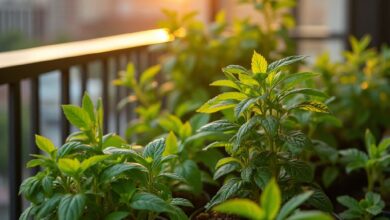
- Container Advantages: Flexibility to move plants to optimize sun exposure, control over soil conditions, and perfect for small spaces like balconies or patios. Plus, decorative pots can add significant visual appeal.
Harvesting for Health and Beauty
Regular harvesting encourages your plants to produce more, both leaves and flowers.
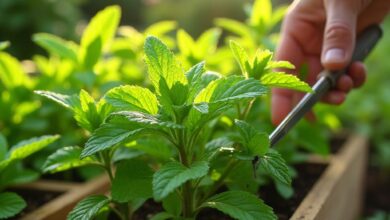
- Herbs: For leafy herbs like basil, parsley, and cilantro, pinch off the top sets of leaves to encourage bushier growth. For woody herbs like rosemary and thyme, snip sprigs as needed. Always harvest before flowering for the best flavor, unless you want the flowers (like dill flowers for pickling).
- Edible Flowers: Pick flowers in the morning after the dew has dried but before the heat of the day. Snip them at the base of the stem. Use immediately or store gently in a sealed container in the fridge for a day or two.
Natural Pest Patrol: Keeping Critters at Bay
A healthy garden is often a resilient one.
- Companion Planting: This is where the “stunning” and “edible” aspects truly merge. Plant marigolds near vegetables to deter nematodes, or nasturtiums as a trap crop for aphids. Chives and garlic can deter many pests.
- Beneficial Insects: Attract ladybugs and lacewings (which feast on aphids) by planting dill, fennel, and yarrow.
- Manual Removal: For small infestations, hand-picking pests is effective.
- Neem Oil: A natural, organic option for more persistent issues.
Propagation: Sharing the Green Love
Once you have thriving plants, you can easily expand your garden or share with friends.
- Seeds: Many herbs and edible flowers are easy to grow from seed. Look for high-quality, organic seeds from reputable suppliers like Burpee Seeds for a wide variety of heirloom and open-pollinated options.
- Cuttings: Woody herbs like rosemary, lavender, and mint root easily from cuttings.
- Division: Perennial herbs like chives and oregano can be divided every few years to rejuvenate the plant and create new ones.
Star Players for Your Stunning Edible Garden:
Here are some of my top picks that excel in both beauty and flavor:
- Nasturtiums: Peppery leaves and flowers, vibrant colors (orange, red, yellow). Great as a groundcover or climber.
- Calendula (Pot Marigold): Cheerful orange and yellow petals with a mild, slightly peppery flavor. Excellent in salads, rice, or as a garnish.
- Pansies & Violas: Delicate, sweet flavor, wide range of colors. Perfect for desserts and garnishes.
- Borage: Star-shaped blue flowers with a subtle cucumber-like taste. Fantastic in drinks or salads.
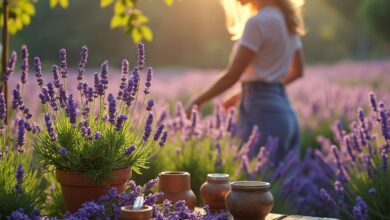
- Lavender: Aromatic flowers, beautiful purple spikes. Use sparingly in desserts, teas, or savory dishes.
- Chives: Grassy leaves and beautiful purple pom-pom flowers, both oniony.
- Rosemary: Fragrant evergreen shrub, lovely blue flowers. Great for structure and flavor.
- Basil: Lush green (or purple!) leaves, delicate white flower spikes. A culinary staple.
- Thyme: Low-growing, fragrant groundcover with tiny flowers.
- Dill: Feathery foliage and umbrella-like yellow flowers. Both are edible.
Expert Insider Tips for a Breathtaking Edible Garden
- Embrace the “Thriller, Filler, Spiller” Concept: When designing containers or even small beds, think vertically. Use a “thriller” (a tall, upright plant like rosemary or a dill stalk) for height, “fillers” (bushy herbs like basil or calendula) for volume, and “spillers” (trailing nasturtiums, thyme, or oregano) to cascade over the edges. This creates instant visual drama.
- Don’t Deadhead Edible Flowers (Unless You Want More Blooms): Unlike purely ornamental flowers, leaving some edible flowers to go to seed can be a boon! Calendula, borage, and nasturtiums will self-sow, giving you free plants next season. Plus, the developing seed pods can add another layer of texture.
- Harvest for Vigor AND Visuals: When harvesting, don’t just snip from the back. Intentionally prune to maintain shape and encourage new growth. For instance, shaping a basil plant into a dome as you harvest will make it bushier and more attractive than just randomly picking leaves.
- Think Beyond the Plate: Edible Flowers as Garnish for Drinks: Elevate your beverages! A borage flower floating in a gin and tonic, a few viola petals in a glass of champagne, or a sprig of lavender in lemonade instantly transforms a simple drink into a sophisticated sensory experience.
- Succession Planting for Continuous Beauty and Harvest: For annuals like basil, cilantro, and calendula, plant small batches every 2-3 weeks. This ensures a continuous supply of fresh, tender leaves and vibrant blooms throughout the growing season, preventing your garden from looking sparse after a big harvest.
Health and Wellness Benefits: More Than Just Pretty Faces
Beyond their stunning appearance and delightful flavors, edible flowers and herbs are powerhouses of natural wellness.
- Nutrient Boost: Many edible flowers like nasturtiums and calendula are rich in vitamins (A and C) and minerals. Herbs are packed with antioxidants, phytonutrients, and essential oils.
- Anti-inflammatory Properties: Herbs like rosemary, thyme, and basil contain compounds that can help reduce inflammation in the body.
- Stress Reduction: The act of gardening itself is a proven stress-reliever, connecting us to nature and providing a sense of accomplishment. The aroma of herbs like lavender and chamomile is known for its calming effects.
- Digestive Aid: Herbs such as mint and fennel can soothe digestive discomfort.
- Immune Support: Many herbs, including oregano and thyme, possess antimicrobial properties that can help support the immune system.
Incorporating these fresh ingredients into your diet is a simple, delicious way to boost your overall health, drawing on centuries of traditional use and increasingly supported by modern research.
Common Mistakes to Avoid for Beginners
Even seasoned gardeners make mistakes, but knowing these common pitfalls can save you a lot of heartache:
- Overwatering: This is the number one killer for many herbs, leading to root rot. Always check the soil moisture before watering.
- Underestimating Sunlight Needs: While some herbs tolerate partial shade, most edible flowers and culinary herbs truly thrive in full sun. Don’t try to force a sun-lover into a shady corner.
- Planting Invasives Without Containment: Mint, lemon balm, and oregano can quickly take over a garden bed. Always plant them in pots or use root barriers when planting in the ground.
- Not Harvesting Regularly: Many herbs (like basil) will bolt (go to seed) if not harvested, changing their flavor and ending their leafy production. Regular harvesting is key to prolonging their life and flavor.
- Ignoring Soil Quality: Trying to grow plants in compacted, nutrient-poor soil is a recipe for disappointment. Invest in good soil or amend what you have.
- Forgetting to Check for Pests: A quick daily glance can catch problems early before they become major infestations.
Safety and Precautions: Grow Smart, Eat Smart
While the world of edible flowers is vast and exciting, caution is paramount.
- Positive Identification is KEY: NEVER eat a flower or plant unless you are 100% certain of its identity and know it is safe for consumption. Many ornamental plants are toxic. When in doubt, leave it out.
- Source Safely: Only consume flowers and herbs you have grown yourself from a trusted seed or plant source, or purchased specifically as “edible” from a reputable vendor like Mountain Rose