

Introduction
Preserving herbs is a great first step toward reducing waste and making cooking easier. But many beginners overlook an important part of the process: storage. Even well-preserved herbs can lose their flavor quickly if they are stored the wrong way.
Learning how to store preserved herbs for best flavor helps you get the most out of your time and effort. Proper storage keeps herbs tasting fresh, aromatic, and useful for everyday cooking. This article explains simple, beginner-friendly storage methods so your preserved herbs stay flavorful for as long as possible.
What This Topic Means (Simple Explanation)
Storing preserved herbs means keeping dried, frozen, or oil-based herbs in the right conditions so they do not lose flavor, color, or aroma.
Preserved herbs are already processed in some way, such as:
- Dried herbs
- Frozen herbs
- Herbs stored in oil or butter
Each type of preserved herb needs slightly different storage conditions. The goal is always the same: protect herbs from air, light, heat, and moisture, which are the main causes of flavor loss.
Why This Is Important
Proper storage of preserved herbs offers several practical benefits.
First, it keeps herbs flavorful. Herbs that are stored well taste better and smell stronger.
Second, it saves money. When herbs last longer, you do not need to replace them often.
Third, it improves cooking results. Well-stored herbs give consistent flavor, making recipes easier to follow.
Fourth, it reduces waste. Poor storage causes herbs to spoil or lose usefulness too quickly.
Finally, understanding herb storage builds kitchen confidence. You know exactly where your herbs are and how to use them when needed.
Common Types or Examples
Different preserved herbs need different storage methods. Below are the most common types and what makes each one unique.
Dried Herbs
Dried herbs have had most of their moisture removed.
Examples include:
- Dried oregano
- Dried thyme
- Dried rosemary
- Dried basil
- Bay leaves
These herbs are sensitive to air, light, and heat.
Frozen Herbs
Frozen herbs are stored at low temperatures to slow flavor loss.
Examples include:
- Chopped frozen parsley
- Frozen basil
- Frozen dill
- Herb cubes frozen in oil
Frozen herbs are sensitive to freezer air and temperature changes.
Herbs Stored in Oil or Butter
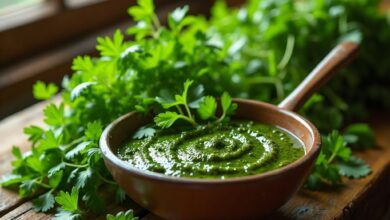
These herbs are mixed with oil or butter for easy cooking use.
Examples include:
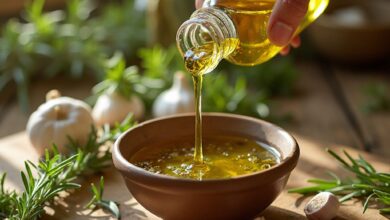
- Herb-infused oil
- Herb butter
- Herb oil cubes
These are sensitive to warmth, air exposure, and time.
How to Use or Apply This in Daily Life
Storing preserved herbs correctly is simple when you follow clear steps for each type.
How to Store Dried Herbs for Best Flavor
Dried herbs last longest when protected from their biggest enemies: light, air, heat, and moisture.
Best storage method:
- Place dried herbs in airtight containers.
- Use glass jars, metal tins, or sealed spice containers.
- Keep containers tightly closed after each use.
- Store in a cool, dark place.
- Keep away from stoves, ovens, and windows.
Helpful tips:
- Whole dried leaves last longer than crushed herbs.
- Crush herbs only when needed.
- Label containers with the herb name and date.
How to Store Frozen Herbs for Best Flavor
Frozen herbs hold flavor well if protected from freezer air.
Best storage method:
- Use freezer-safe bags or containers.
- Remove as much air as possible before sealing.
- Store herbs flat to save space.
- Keep herbs toward the back of the freezer.
- Avoid frequent thawing and refreezing.
Helpful tips:
- Freeze herbs in small portions.
- Use ice cube trays for convenience.
- Label containers clearly.
How to Store Herbs Preserved in Oil
Oil-based herbs need careful storage to maintain quality.
Best storage method:
- Use clean, sealed containers.
- Store in the refrigerator.
- Keep herbs fully covered with oil.
- Use small containers to reduce air exposure.
- Check appearance and smell before use.
Helpful tips:
- Refrigeration slows flavor loss.
- Avoid storing near warm areas.
- Use within a reasonable time for best flavor.
How to Store Herb Butter
Herb butter is easy to store and very convenient.
Best storage method:
- Wrap tightly or place in airtight containers.
- Refrigerate for short-term storage.
- Freeze for longer storage.
- Slice into portions before freezing.
Helpful tips:
- Label with herb type and date.
- Use clean utensils when serving.
Short-Term Storage of Preserved Herbs
Sometimes you only need herbs for a short time.
For short-term storage:
- Keep dried herbs sealed and away from heat.
- Keep frozen herbs frozen until needed.
- Keep oil-based herbs refrigerated.
Good short-term habits help herbs stay fresh longer overall.
Tips for Beginners
These simple tips help beginners store preserved herbs successfully.
- Store herbs away from heat sources.
- Keep containers tightly closed.
- Use dry spoons for dried herbs.
- Store herbs in small amounts.
- Label everything clearly.
- Organize herbs so older ones are used first.
- Check herbs occasionally for quality.
Common Mistakes to Avoid
Many beginners accidentally shorten the life of their herbs. Avoid these common mistakes.
Storing Herbs Near the Stove
Heat damages flavor quickly. Choose cooler storage spots.
Using Clear Containers in Bright Light
Light fades herbs over time. Store containers in dark places.
Leaving Containers Open
Air causes herbs to lose aroma. Always reseal tightly.
Freezer Door Storage
Temperature changes affect frozen herbs. Store them deeper inside.
Mixing Old and New Herbs
Older herbs lose flavor faster. Keep batches separate.
Safety and Usage Notes
Herb storage should always be clean and careful.
- Use clean, dry containers.
- Discard herbs with unusual smell or appearance.
- Keep oil-based herbs refrigerated.
- Avoid moisture in dried herbs.
- Do not store herbs in unclean containers.
- Use herbs for cooking purposes only.
This information is educational and focused on proper kitchen storage.
Frequently Asked Questions (FAQs)
How do I know if dried herbs have lost flavor?
If they have little smell when crushed, their flavor is likely weak.
Can I store dried herbs in the refrigerator?
It is usually not needed. Cool, dark pantry storage works well.
How long do frozen herbs keep good flavor?
Frozen herbs keep best flavor for several months when stored properly.
Should I store herbs in plastic or glass containers?
Glass or airtight containers work best for dried herbs.
Can sunlight really damage herbs?
Yes. Light slowly reduces color and flavor.
Is it okay to store herbs in bulk containers?
Small containers are better to reduce air exposure.
Conclusion
Storing preserved herbs properly is just as important as preserving them. The right storage methods protect flavor, aroma, and quality, helping herbs last longer and taste better.
For beginners, the key is simplicity. Use airtight containers, avoid heat and light, label everything, and store herbs according to their type. With these easy habits, your preserved herbs will stay flavorful and ready to use whenever you need them.