
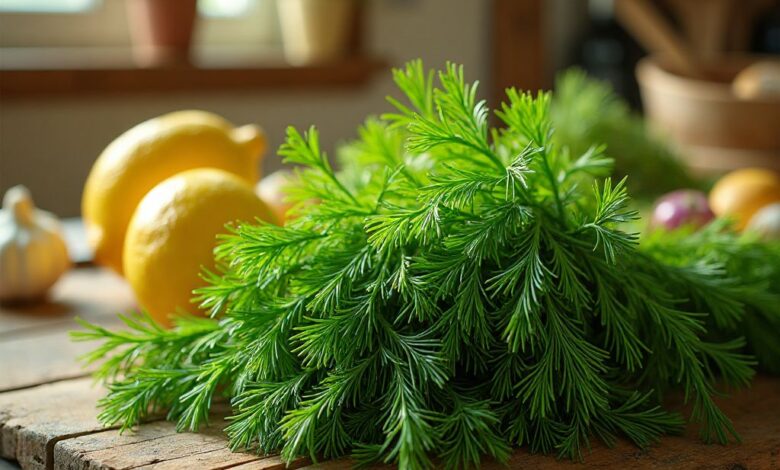
Unleash the Verdant Magic: How to Use Dill in Recipes That Go Way Beyond Pickles and Salmon
Close your eyes for a moment and imagine the scent of summer. Is it the sweet perfume of ripening berries, or perhaps the earthy aroma of a freshly tilled garden? For me, it’s often the vibrant, anisy whisper of fresh dill – a scent so evocative it instantly transports me to sun-drenched kitchens and bustling market stalls. But here’s the surprising truth about this beloved herb: while it’s a star alongside crisp cucumbers and flaky salmon, dill’s culinary universe is vast and wonderfully underexplored. It’s time to move beyond the expected and discover the true breadth of its bright, herbaceous charm!
Dill’s Ancient Roots: A Journey Through Time and Taste
Dill, scientifically known as Anethum graveolens, is far from a one-trick pony; its history is as rich and layered as its flavor. Tracing its origins back to the Mediterranean and Western Asia, dill has been a cherished companion to humanity for millennia. Ancient Egyptians used it for its medicinal properties, believing it soothed the stomach and freshened breath. The Greeks and Romans valued it for both culinary and symbolic reasons, often associating it with wealth and good fortune. Gladiators were even said to rub dill oil on their bodies to soothe muscles after battle!
Through the Middle Ages, dill’s popularity spread across Europe, becoming a staple in monastic gardens and peasant kitchens alike. Its name, derived from the Old Norse word “dilla,” meaning “to lull,” hints at its traditional use as a calming aid, particularly for infants. From Scandanavian gravlax to Eastern European borscht and Middle Eastern stews, dill’s distinctive flavor has woven itself into the fabric of global cuisine, proving its enduring versatility and appeal. It’s a testament to its unique character that an herb with such ancient roots continues to inspire and delight palates around the world today, inviting us to explore its full potential.
The Culinary Canvas of Dill: Flavor, Pairings, and Techniques
Dill presents itself in two primary forms: the feathery, aromatic leaves (dill weed) and the small, flat seeds (dill seeds). Understanding the nuances of each is key to unlocking dill’s full culinary power.
Flavor Profiles: Fresh vs. Seed
- Fresh Dill (Dill Weed): This is the bright, verdant star. Its flavor is wonderfully complex – a delicate balance of fresh grassiness, a subtle anise or caraway-like sweetness, and a hint of citrusy zest. It’s light, refreshing, and incredibly aromatic.
- Dill Seeds: The seeds offer a more robust, pungent, and earthy flavor. They are warm, slightly bitter, and intensely aromatic, with pronounced notes of caraway and anise. Toasting them can deepen their nuttiness and bring out their essential oils.
Beyond the Obvious: Best Food Pairings
While dill is undeniably brilliant with fish and pickles, its pairing possibilities stretch far wider. Think about its refreshing quality and how it can cut through richness or add a vibrant lift.
- Dairy & Eggs: Cream cheese, yogurt, sour cream, feta, goat cheese, cottage cheese, eggs (scrambled, omelets, deviled).
- Vegetables: Cucumbers (of course, but try fresh in salads!), potatoes, carrots, green beans, cabbage, beets, zucchini, asparagus, tomatoes.
- Poultry & Meats: Chicken, lamb, pork (especially in marinades or rubs).
- Legumes & Grains: Lentils, chickpeas, quinoa, rice.
- Breads & Baked Goods: Scones, savory muffins, soda bread, crackers.
- Dressings & Sauces: Vinaigrettes, creamy dips, tzatziki, hollandaise.
Cooking Techniques for Maximum Flavor
- Fresh Dill: Always add fresh dill towards the end of cooking or as a garnish. Its delicate oils are volatile and lose their potency with prolonged heat. Stir it into warm dishes just before serving, or sprinkle generously over cold preparations.
- Dill Seeds: These hardy seeds can withstand and even benefit from cooking. Toast them lightly in a dry pan to release their aromatic oils before grinding or adding whole to stews, breads, or rubs. They are excellent in brining liquids, spice blends, and even infused oils.
Recipes to Ignite Your Dill Passion
1. Creamy Lemon-Dill Potato Salad (No Mayo!)
This vibrant potato salad ditches the heavy mayo for a bright, tangy dressing that truly lets the dill shine. It’s perfect for picnics or a light lunch.
- Ingredients:
- 2 lbs small new potatoes (such as Yukon Gold or red potatoes), quartered
- 1/4 cup extra virgin olive oil
- 3 tablespoons fresh lemon juice
- 2 tablespoons finely chopped fresh dill (from your garden, perhaps, grown from Burpee Seeds!)
- 1 tablespoon Dijon mustard
- 1/2 small red onion, very thinly sliced
- 1/4 cup chopped celery (for crunch)
- Salt and freshly ground black pepper to taste
- Instructions:
- Boil the potatoes in salted water until tender, about 15-20 minutes. Drain well and let cool slightly.
- While potatoes cook, whisk together olive oil, lemon juice, dill, and Dijon mustard in a large bowl. Season with salt and pepper.
- Add the warm potatoes, red onion, and celery to the dressing. Toss gently to coat.
- Taste and adjust seasoning. Serve warm or at room temperature. The flavors meld beautifully as it sits.
2. Dill & Feta Savory Scones
These savory scones are a delightful breakfast, brunch, or snack, offering a burst of herbaceous flavor with every bite.
- Ingredients:
- 2 cups all-purpose flour
- 1 tablespoon baking powder
- 1/2 teaspoon salt
- 1/2 cup (1 stick) cold unsalted butter, cut into small cubes
- 1/2 cup crumbled feta cheese
- 1/4 cup finely chopped fresh dill
- 3/4 cup buttermilk (or milk with 1 tbsp lemon juice, rested 5 mins)
- Optional: 1 egg wash (1 egg beaten with 1 tbsp water) for brushing
- Instructions:
- Preheat oven to 400°F (200°C). Line a baking sheet with parchment paper.
- In a large bowl, whisk together flour, baking powder, and salt.
- Cut in the cold butter using a pastry blender or your fingertips until the mixture resembles coarse crumbs.
- Stir in the feta cheese and fresh dill.
- Pour in the buttermilk and mix with a fork until just combined, being careful not to overmix. The dough will be slightly sticky.
- Turn the dough out onto a lightly floured surface. Gently pat or roll into a 3/4-inch thick circle.
- Cut into 8 wedges or use a round cutter to make individual scones.
- Place scones on the prepared baking sheet. Brush tops with egg wash if desired.
- Bake for 15-18 minutes, or until golden brown and cooked through. Serve warm.
Storage Tips for Peak Freshness
- Fresh Dill: Treat it like a bouquet! Trim the ends of the stems and place them in a glass with about an inch of water. Cover loosely with a plastic bag and refrigerate. It will stay fresh for 1-2 weeks. You can also finely chop and freeze it in ice cube trays with a little water or olive oil for longer storage.
- Dill Seeds: Store in an airtight container in a cool, dark place. Whole seeds will retain their potency for 2-3 years, while ground seeds lose their flavor more quickly. Consider purchasing from reliable sources like Frontier Co-op or Simply Organic for consistent quality.
Substitution Options
- For Fresh Dill: If you’re in a pinch, fennel fronds offer a similar delicate anise note, though they are milder. Chervil or tarragon can also provide a fresh, slightly anisy, or herbaceous quality, but their profiles are distinct.
- For Dill Seeds: Caraway seeds are your closest bet, offering a similar pungent, slightly bitter, and anisy flavor. Anise seeds or fennel seeds can also work, but use them sparingly as their licorice notes can be stronger.
Expert Insider Tips from My Herbalist’s Kitchen
- Bloom Your Seeds: For maximum flavor from dill seeds, lightly toast them in a dry pan for a minute or two until fragrant, then crush them slightly before adding to your dish. This “blooming” process releases their essential oils and intensifies their aroma.
- Don’t Discard the Stems: The stems of fresh dill are packed with flavor! While too fibrous for fine garnishes, chop them roughly and add them to stocks, broths, or infused oils for a subtle dill essence.
- Grow Your Own for Superior Flavor: Nothing beats the taste of freshly harvested dill. Consider planting dill in your garden or a pot. It’s relatively easy to grow from seeds, and brands like Burpee Seeds offer excellent varieties. You’ll notice a huge difference in aroma and vibrancy compared to store-bought.
- Dill Flowers Are Edible & Beautiful: When dill bolts and sends up delicate yellow flowers, don’t despair! These flowers are edible and make a stunning, flavorful garnish for salads, canapés, or even a simple bowl of soup.
- Layer Your Dill: For dishes where you want a deep dill flavor, consider using both forms. Start with a pinch of toasted dill seeds in the cooking process, then finish with a generous sprinkle of fresh dill weed for brightness and aroma.
Dill’s Gentle Embrace: Health and Wellness Benefits
Beyond its culinary prowess, dill has long been revered in traditional medicine for its natural health benefits, and modern research is beginning to catch up.
- Digestive Aid: Dill has carminative properties, meaning it can help relieve gas and bloating. Chewing on a few dill seeds after a meal is a time-honored tradition for soothing digestion.
- Antioxidant Powerhouse: Dill is rich in flavonoids and monoterpenes, powerful antioxidants that help protect the body’s cells from damage caused by free radicals, contributing to overall well-being.
- Anti-inflammatory Properties: Compounds found in dill, particularly limonene and anethofuran, exhibit anti-inflammatory effects, which can be beneficial for various conditions.
- Bone Health: Dill contains a decent amount of calcium, contributing to strong bones and teeth.
- Calming Effects: As its Old Norse name suggests, dill has traditionally been used as a mild sedative. Its essential oils may have calming properties, potentially aiding in relaxation and sleep.
While dill is a wonderful addition to a healthy diet, for specific health concerns or therapeutic uses, always consult with a healthcare professional or a certified herbalist. For high-quality, organic dried dill weed or seeds for culinary or wellness use, I often recommend trusted suppliers like Mountain Rose Herbs or Frontier Co-op.
Common Mistakes to Avoid with Dill
Even seasoned cooks can sometimes miss the mark with dill. Here are a few common pitfalls to steer clear of:
- Overcooking Fresh Dill: This is perhaps the most common mistake. High heat and prolonged cooking destroy the delicate flavor and vibrant color of fresh dill. Always add it at the last minute!
- Using Too Much Dill Seed: Dill seeds have a much stronger, more concentrated flavor than dill weed. A little goes a long way. Start with a small amount and adjust to taste, especially when using them whole.
- Confusing Dill Weed and Dill Seed Flavors: While from the same plant, their flavor profiles are distinct. Don’t assume you can use them interchangeably in equal amounts; understand their individual contributions to a dish.
- Not Washing Fresh Dill Properly: Like all fresh herbs, dill can harbor dirt or small insects. Give it a good rinse under cold water and pat it dry before using.
- Planting Dill Near Fennel: For the enthusiastic gardener, be aware that dill can cross-pollinate with other members of the Apiaceae family, particularly fennel. This can lead to hybrid seeds and a less desirable flavor in both plants.
Safety and Precautions: When to Be Mindful
While dill is generally considered safe for most people in culinary amounts, it’s always wise to be aware of potential considerations: