

Introduction
Growing herbs indoors is a great option for people who have limited space. You do not need a large kitchen, garden, or special setup to enjoy fresh herbs at home. Many herbs grow well in small pots and fit easily on windowsills, shelves, or countertops.
For beginners, choosing the right herbs makes indoor gardening much easier. This article explains indoor herbs that don’t need much space in a clear and simple way. You will learn which herbs work best, why they are suitable for small spaces, and how to care for them confidently.
What This Topic Means (Simple Explanation)
Indoor herbs that don’t need much space are herbs that grow well in small containers and do not spread widely or grow very tall. These herbs adapt easily to indoor conditions and limited room.
In simple terms:
- They grow well in small pots
- They fit on windowsills, shelves, or desks
- They do not need large root space
- They are easy to manage indoors
These herbs are ideal for apartments, small homes, and beginner indoor gardeners.
Why This Is Important
Understanding which herbs need little space helps beginners succeed.
First, it prevents overcrowding. Large herbs in small spaces often struggle.
Second, it makes care easier. Small, compact herbs are easier to water, trim, and monitor.
Third, it saves money. You do not need large pots or extra equipment.
Fourth, it encourages consistency. When herbs fit easily into your space, you are more likely to care for them regularly.
Finally, small-space herbs allow anyone to enjoy fresh herbs indoors, regardless of living situation.
Common Types or Examples
Below are popular indoor herbs that grow well in small spaces. These herbs are beginner-friendly and widely used in everyday cooking.
Chives
Chives are one of the best herbs for small indoor spaces.
Why they work well:
- Thin, upright growth
- Shallow roots
- Compact size
Common uses:
- Eggs
- Soups
- Salads
- Toppings
Chives grow well in small pots and do not spread much.
Basil (Compact Varieties)
Some basil types stay relatively small indoors.
Why they work well:
- Grows upright
- Responds well to trimming
- Fits in small containers
Common uses:
- Pasta
- Sauces
- Salads
Regular trimming helps basil stay compact.
Parsley
Parsley grows neatly and does not take much space.
Why it works well:
- Upright leaf growth
- Medium root depth
- Easy to manage indoors
Common uses:
- Garnishes
- Soups
- Rice dishes
Parsley does well on sunny windowsills.
Mint
Mint grows well indoors but needs control.
Why it works well:
- Grows well in containers
- Can be kept compact with trimming
Common uses:
- Drinks
- Desserts
- Sauces
Mint should always be grown in its own pot to prevent spreading.
Thyme
Thyme is a low-growing herb that stays compact.
Why it works well:
- Small leaves
- Slow growth
- Shallow roots
Common uses:
- Soups
- Stews
- Vegetables
Thyme fits easily in small pots.
Oregano
Oregano adapts well to indoor containers.
Why it works well:
- Compact growth indoors
- Easy to trim
- Does not need deep soil
Common uses:
- Tomato dishes
- Vegetables
- Pasta
Indoor oregano stays smaller than outdoor plants.
Cilantro (Short-Term Indoor Growing)
Cilantro can be grown indoors for short periods.
Why it works well:
- Shallow roots
- Fast growth
- Small container-friendly
Common uses:
- Rice dishes
- Sauces
- Toppings
Cilantro grows best when harvested young.
Dill (Young Plants)
Young dill plants work well in small spaces.
Why it works well:
- Light, thin growth
- Short indoor lifespan
- Small pots for early growth
Common uses:
- Fish dishes
- Vegetables
Dill is best grown and harvested early indoors.
How to Use or Apply This in Daily Life
Here is a simple step-by-step guide to growing indoor herbs in small spaces.
Step 1: Choose the Right Location
Good indoor spots include:
- Windowsills
- Shelves near windows
- Countertops with bright light
Light is important, even for small herbs.
Step 2: Use Small Containers With Drainage
Choose containers that:
- Have drainage holes
- Are stable
- Fit your available space
Small pots are often enough for compact herbs.
Step 3: Use Proper Potting Mix
Always use potting mix designed for containers.
Good potting mix:
- Drains well
- Holds moisture without staying wet
- Allows roots to breathe
Avoid using garden soil indoors.
Step 4: Water Carefully
Small containers dry faster.
Watering tips:
- Check soil with your finger
- Water when the top feels dry
- Avoid letting pots sit in water
Balanced watering keeps roots healthy.
Step 5: Trim Regularly
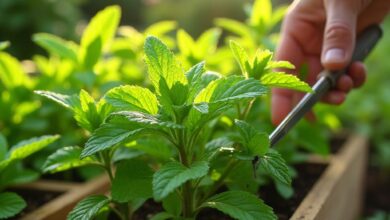
Trimming keeps herbs compact.
How to trim:
- Cut small amounts often
- Trim above leaf joints
- Use clean scissors
Regular trimming prevents herbs from becoming tall or weak.
Step 6: Rotate Pots
Rotate pots every few days so plants grow evenly toward the light.
Tips for Beginners
These tips make growing small-space indoor herbs easier.
- Start with two or three herbs.
- Choose compact varieties when possible.
- Use shallow but wide pots.
- Do not overcrowd pots.
- Observe how plants respond to light.
- Label herbs clearly.
- Keep herbs within easy reach.
Common Mistakes to Avoid
Avoiding these mistakes helps herbs thrive indoors.
Using Pots Without Drainage
Poor drainage leads to root problems.
Overwatering Small Pots
Small containers need less water, not more.
Not Enough Light
Low light causes weak, leggy growth.
Letting Herbs Overgrow
Untrimmed herbs take up more space and lose shape.
Crowding Too Many Herbs Together
Crowded herbs compete for light and air.
Safety and Usage Notes
Indoor herb gardening should be safe and simple.
- Use clean containers and tools.
- Wash herbs before use.
- Keep herbs away from pets if needed.
- Use soil suitable for edible plants.
- Avoid chemical sprays not meant for food plants.
This information is educational and focused on everyday indoor growing.
Frequently Asked Questions (FAQs)
What is the best indoor herb for very small spaces?
Chives and thyme are excellent choices for very limited space.
Can herbs grow indoors without direct sunlight?
Bright indirect light can work, but stronger light gives better growth.
Do small indoor herbs need frequent watering?
They need regular checking, but watering depends on soil dryness.
Can I grow multiple herbs in one small pot?
Only if their care needs are similar and space allows.
How often should I trim indoor herbs?
Trim lightly every one to two weeks to keep plants compact.
Are indoor herbs slower than outdoor herbs?
Indoor herbs may grow more slowly but are easier to control.
Conclusion
Indoor herbs that don’t need much space make it possible for anyone to grow fresh herbs at home. Herbs like chives, thyme, parsley, and compact basil grow well in small containers and fit easily into tight indoor spaces.
For beginners, the key is choosing compact herbs, using the right containers, providing enough light, and trimming regularly. With these simple steps, small-space indoor herb gardening becomes easy, rewarding, and enjoyable, bringing fresh flavor into your daily cooking without taking up much room.