

Introduction
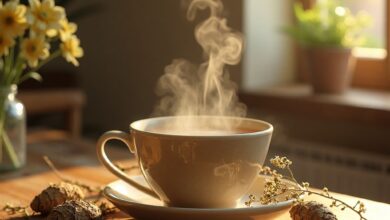
Nighttime routines help signal the body that it is time to slow down. Many people use simple habits such as dimming lights, avoiding screens, or enjoying a warm drink in the evening. Herbs have also been part of evening traditions in many cultures, often enjoyed for their gentle aromas and calming presence.
For beginners, it can be confusing to know which herbs are commonly associated with nighttime use and how they are used in daily life. This article explains natural nighttime herbs and how they’re used in a clear, educational, and beginner-friendly way.
What This Topic Means (Simple Explanation)
Natural nighttime herbs are herbs traditionally enjoyed in the evening or before bedtime. They are usually taken as part of normal food or drinks, such as herbal teas, warm infusions, or light recipes.
In simple terms:
- These herbs are commonly used at night
- They are part of relaxing routines
- They are enjoyed for flavor, aroma, and comfort
- They are not medicines or treatments
This article focuses on everyday, culinary-style use and cultural traditions, not medical advice.
Why This Is Important
Understanding nighttime herbs is useful for everyday life.
First, it helps create a calming evening routine. Small habits can make evenings feel more peaceful.
Second, it encourages mindful use of food and drinks at night. Some herbs feel lighter and more suitable for evenings.
Third, it gives beginners simple options. You do not need complicated recipes or special tools.
Fourth, it helps you choose herbs that fit nighttime preferences, such as mild flavors and gentle aromas.
Finally, learning about nighttime herbs builds confidence in using herbs as part of daily routines.
Common Types or Examples
Below are well-known herbs commonly associated with nighttime use. These herbs are widely used in traditional drinks and evening rituals.
Chamomile
Chamomile is one of the most popular nighttime herbs.
Common uses:
- Herbal tea
- Evening drinks
Why it is commonly used:
- Mild, floral taste
- Often enjoyed warm
- Traditionally used in evening routines
Chamomile is known for its gentle and soothing character.
Lavender
Lavender is known for its pleasant aroma.
Common uses:
- Herbal tea blends
- Infused drinks
- Aromatic additions to routines
Why it is commonly used:
- Light floral aroma
- Often linked with relaxation
- Used in small amounts
Lavender is usually combined with other herbs due to its strong scent.
Lemon Balm
Lemon balm has a soft, citrus-like flavor.
Common uses:
- Herbal teas
- Evening infusions
Why it is commonly used:
- Gentle taste
- Refreshing but calming
- Popular in nighttime tea blends
Lemon balm is easy to grow and simple to use.
Peppermint
Peppermint is refreshing and cooling.
Common uses:
- Herbal tea
- Warm evening drinks
Why it is commonly used:
- Clean, mild flavor
- Often enjoyed after dinner
- Widely available
Peppermint tea is caffeine-free and light on the palate.
Valerian Root (Traditional Use Only)
Valerian root has a long history of nighttime use.
Common uses:
- Herbal tea blends
- Dried root preparations
Why it is commonly used:
- Traditionally associated with nighttime routines
- Often used in small amounts
Valerian has a strong aroma and is usually blended with other herbs.
Passionflower
Passionflower is often included in nighttime blends.
Common uses:
- Herbal teas
- Evening infusions
Why it is commonly used:
- Mild, grassy flavor
- Common in traditional nighttime beverages
It is usually used alongside other herbs.
Magnolia Bark (Cultural Use)
Magnolia bark has a history in traditional practices.
Common uses:
- Herbal infusions
- Blended drinks
Why it is commonly used:
- Traditionally associated with evening use
- Often part of cultural herbal routines
This herb is less common but still used in some traditions.
Hops
Hops are known for their distinctive aroma.
Common uses:
- Herbal teas
- Infusions in blends
Why it is commonly used:
- Traditionally included in nighttime preparations
- Mild bitterness that pairs well with other herbs
Hops are usually combined with gentler herbs.
How to Use or Apply This in Daily Life
Using nighttime herbs does not require special preparation. Simple, consistent habits work best.
Step 1: Choose One or Two Herbs
Beginners should start with just one or two herbs.
Good starter options:
- Chamomile
- Peppermint
- Lemon balm
These are mild and easy to enjoy.
Step 2: Prepare Simple Herbal Teas
Herbal tea is the most common way to use nighttime herbs.
Basic method:
- Heat water
- Add herbs to a cup or teapot
- Pour hot water over herbs
- Let steep briefly
- Strain and enjoy
This simple method works for most herbs.
Step 3: Keep Flavors Light
Nighttime drinks are best when mild.
Tips:
- Use small amounts of herbs
- Avoid strong flavors late at night
- Keep blends simple
Light flavors help create a calming experience.
Step 4: Make It Part of a Routine
Consistency matters more than complexity.
Ideas:
- Enjoy tea at the same time each evening
- Pair herbal drinks with quiet activities
- Keep lighting soft and surroundings calm
Routines help signal the end of the day.
Step 5: Store Herbs Properly
Proper storage keeps herbs fresh and flavorful.
Tips:
- Store dried herbs in airtight containers
- Keep them away from light and heat
- Use herbs within a reasonable time
Fresh-tasting herbs improve the experience.
Tips for Beginners
These tips help beginners use nighttime herbs comfortably.
- Start with familiar herbs
- Use small amounts
- Drink herbs warm, not hot
- Avoid mixing many herbs at once
- Pay attention to taste and comfort
- Keep usage part of normal routines
- Choose caffeine-free herbs
Common Mistakes to Avoid
Avoiding these mistakes helps keep nighttime herb use enjoyable.
Using Strong Herbs in Large Amounts
Strong herbs can be overwhelming. Use lightly.
Drinking Too Late at Night
Large drinks right before bed may be uncomfortable.
Mixing Too Many Herbs
Simple blends are easier for beginners.
Expecting Immediate Results
Nighttime herbs are part of routine, not instant solutions.
Ignoring Personal Preferences
Choose herbs you enjoy the taste of.
Safety and Usage Notes
Herbs discussed in this article are for general, everyday use only.
- Use herbs in normal food and drink amounts
- Wash fresh herbs before use
- Use herbs you can clearly identify
- Avoid excessive use
- Store herbs properly
- This article is educational and not medical advice
If you have concerns about herb use, seek professional guidance.
Frequently Asked Questions (FAQs)
Are nighttime herbs safe to use daily?
When used in normal food or tea amounts, many people include them regularly in routines.
Do nighttime herbs contain caffeine?
Most nighttime herbs are naturally caffeine-free.
Can I mix different nighttime herbs together?
Yes, but beginners should start with simple combinations.
Are fresh or dried herbs better at night?
Both work well. Dried herbs are more common for teas.
Can I drink nighttime herbal tea after dinner?
Many people enjoy nighttime herbs after meals, but timing is personal.
Do nighttime herbs work the same for everyone?
No. Everyone experiences herbs differently.
Conclusion
Natural nighttime herbs have been part of evening routines for generations. Herbs such as chamomile, lemon balm, peppermint, and lavender are commonly enjoyed in simple teas and infusions, valued for their gentle flavors and calming presence.
For beginners, the key is simplicity. Choose one or two mild herbs, prepare them as a warm drink, and enjoy them as part of a relaxing routine. Over time, nighttime herbs can become a comforting and enjoyable way to wind down and mark the transition from day to night.