
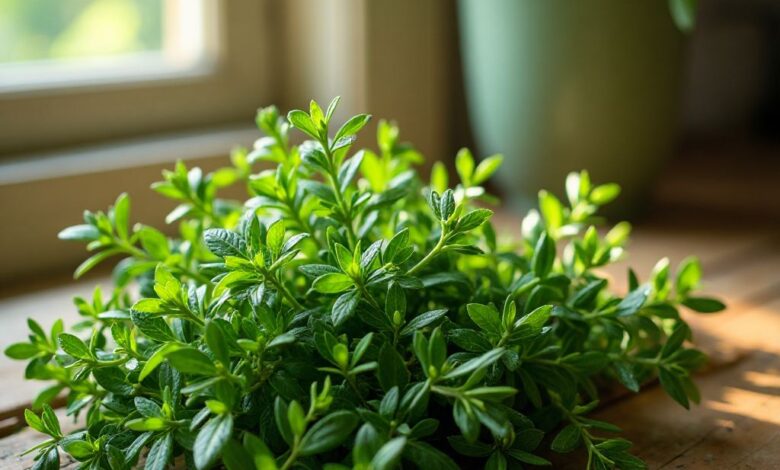
The Sweet Whisper of the Garden: Why Marjoram Deserves Your Undivided Attention (Yes, Even Over Oregano!)
Oh, marjoram. You gentle, aromatic soul, often overshadowed by your boisterous cousin, oregano. It’s a culinary tragedy, really, one I’m determined to rectify in your kitchen and garden. Picture this: you’re reaching for that familiar jar of dried oregano, ready to imbue your pasta sauce with its classic Mediterranean punch. But what if I told you there’s an herb, equally at home in those sun-drenched cuisines, that offers a more nuanced, sweeter, almost ethereal whisper of flavor? An herb that can elevate a simple dish from delicious to truly sublime, adding layers of warmth and delicate complexity that oregano, for all its charm, simply can’t match? That, my friends, is the magic of marjoram. Its aroma alone is a tender embrace of pine, citrus, and a hint of sweet floral earth – a symphony that invites you to linger, to savor, to truly taste.
A Journey Through Time: The Enduring Charm of Marjoram
Long before it graced our modern spice racks, marjoram (Origanum majorana) held a place of reverence in ancient cultures. Originating in the Mediterranean region, particularly North Africa and Southwest Asia, this delightful herb quickly spread its roots across the ancient world. The Greeks called it “joy of the mountains” and believed it was created by Aphrodite, the goddess of love, symbolizing happiness, love, and protection. Brides and grooms were crowned with marjoram wreaths, and it was often planted on graves to bring peace to the departed.
The Romans, too, cherished marjoram, associating it with good fortune and using it extensively in their cuisine, perfumes, and medicinal preparations. From the sun-drenched hillsides of Crete to the bustling markets of Rome, marjoram was a staple, its delicate fragrance weaving through daily life. Its legacy continues today, gracing kitchens from Germany (where it’s a key ingredient in sausages) to France (in herbes de Provence blends) and throughout the Mediterranean, a testament to its enduring appeal and versatility. This rich history isn’t just a charming anecdote; it’s a clue to marjoram’s profound connection to well-being and culinary delight, a connection we can still tap into today.
Unveiling Marjoram’s Culinary Majesty
Let’s get down to the delicious details. If oregano is a robust, confident tenor, marjoram is a sweet, ethereal soprano. Understanding its unique flavor profile, how to pair it, and the best ways to cook with it will transform your culinary repertoire.
The Delicate Dance of Flavor: Marjoram vs. Oregano
While both marjoram and oregano belong to the same genus (Origanum) within the mint family (Lamiaceae), their flavor profiles are distinct. Oregano, especially the Mediterranean varieties, is typically pungent, peppery, and robust, with strong notes of camphor. It stands up to bold flavors and long cooking times. Marjoram, on the other hand, offers a softer, sweeter, more complex experience. Its taste is often described as piney with citrus undertones, a delicate floral sweetness, and a hint of woodsy warmth. It lacks the sharp pungency of oregano, making it ideal for dishes where you want an aromatic presence without overwhelming other ingredients.
Perfect Pairings: Who Marjoram Loves to Dance With
Marjoram’s gentle nature makes it incredibly versatile, shining brightest when paired with ingredients that allow its subtlety to sing. Think of it as the ultimate team player, enhancing rather than dominating.
- Poultry: Chicken, turkey, and duck adore marjoram. Its sweetness complements the mild flavor of white meats beautifully.
- Lamb and Pork: While oregano can be good, marjoram brings a more refined herbal note to roasted lamb or pork loin, especially with garlic and lemon.
- Fish and Seafood: Delicate white fish, shrimp, and scallops are elevated by a sprinkle of fresh marjoram, perhaps with a squeeze of lemon.
- Eggs and Dairy: Omelets, frittatas, quiches, and creamy sauces benefit from marjoram’s gentle warmth. Try it in a ricotta and spinach filling!
- Vegetables: Tomatoes, zucchini, carrots, peas, and green beans find a lovely partner in marjoram. It’s superb in vegetable soups and stews.
- Legumes: Lentil soups and bean dishes gain depth and aroma with marjoram.
- Cheese: Mild cheeses, like fresh mozzarella or goat cheese, are beautifully complemented by marjoram.
Cooking with Confidence: Techniques and Tips
Marjoram, like many delicate herbs, benefits from thoughtful application. Fresh marjoram is always preferable for its vibrant aroma, but dried is a perfectly acceptable and convenient substitute.
- When to Add: For fresh marjoram, add it towards the end of cooking to preserve its delicate oils and flavor. For dried marjoram, which needs time to rehydrate and release its flavors, you can add it earlier in the cooking process, alongside other dried herbs.
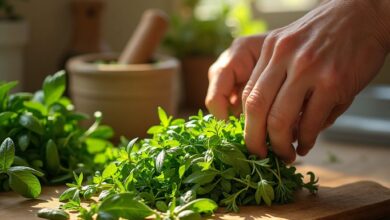
- Bruising vs. Chopping: Lightly bruise fresh marjoram leaves or chop them finely just before adding to release their aromatic oils.
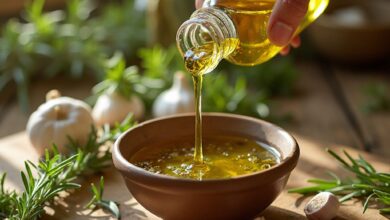
- Infused Oils and Vinegars: A handful of fresh marjoram sprigs steeped in a good quality olive oil or white wine vinegar creates an exquisite condiment for salads, roasted vegetables, or marinades.
- Dressings and Marinades: Marjoram is a star in vinaigrettes and marinades, particularly for chicken or fish.
Recipe Spotlight: Lemon-Marjoram Roasted Chicken Thighs
This simple recipe showcases marjoram’s ability to elevate everyday ingredients into something truly special. It’s a weeknight hero!
Ingredients:
- 4 bone-in, skin-on chicken thighs
- 2 tablespoons olive oil (I love the robust flavor of a good Simply Organic extra virgin olive oil for this)
- 1 lemon, half sliced into rounds, half juiced
- 2 cloves garlic, minced
- 1 tablespoon fresh marjoram leaves, chopped (or 1 teaspoon dried Frontier Co-op Organic Marjoram)
- 1/2 teaspoon sea salt
- 1/4 teaspoon black pepper
- Optional: 1 cup small potatoes or cherry tomatoes, halved
Instructions:
- Preheat oven to 400°F (200°C).
- Pat chicken thighs dry with paper towels.
- In a small bowl, whisk together olive oil, lemon juice, minced garlic, chopped marjoram, salt, and pepper.
- Place chicken thighs in a baking dish. Pour the marjoram mixture over the chicken, ensuring each piece is well coated. Tuck lemon slices under and around the chicken. If using, add potatoes or tomatoes to the dish.
- Roast for 35-45 minutes, or until chicken is cooked through and skin is golden and crispy. Baste once or twice during cooking with the pan juices.
- Serve immediately with your favorite side. The aroma alone will make your kitchen feel like a Mediterranean dream!
Storing Your Marjoram Harvest
To keep fresh marjoram vibrant, wrap sprigs in a slightly damp paper towel and place them in a plastic bag in the refrigerator. It should last for about a week. For dried marjoram, store it in an airtight container away from direct sunlight and heat. High-quality dried herbs from brands like Mountain Rose Herbs or Simply Organic will retain their potency for about 6-12 months.
Substitution Station: When Marjoram Isn’t Around
While marjoram’s unique flavor is hard to replicate perfectly, if you’re in a pinch, you can try:
- Thyme: Offers an earthy, slightly lemon-pine note, but lacks marjoram’s sweetness.
- Savory: Both summer and winter savory have a peppery, piney flavor that can approximate some of marjoram’s notes, but use sparingly.
- Oregano: If you absolutely must, use oregano, but use about half the amount of marjoram called for, as its flavor is much stronger and lacks the sweetness.
Expert Insider Tips from My Herbalist’s Notebook
After a decade of working with herbs, you pick up a few tricks. Here are some of my favorite marjoram secrets:
- The Fresh vs. Dried Ratio Rule: A good rule of thumb is that 1 tablespoon of fresh marjoram is equivalent to 1 teaspoon of dried marjoram. Always adjust to your taste, but this gives you a starting point.
- Marjoram Tea for Calm: A simple infusion of fresh or dried marjoram makes a wonderfully calming tea. Steep 1 teaspoon of dried marjoram (or a small sprig of fresh) in a cup of hot water for 5-7 minutes. It’s a gentle, soothing sip before bed.
- Harvesting for Peak Flavor: If you’re growing marjoram (and I highly encourage you to!), harvest the leaves just before the plant flowers. This is when the essential oil content, and thus the flavor, is at its peak. Snip the top 4-6 inches of the stems.
- Beyond Savory Dishes: Don’t limit marjoram to savory. A tiny pinch in fruit salads, a simple syrup for cocktails, or even a shortbread cookie can add an unexpected, delightful complexity.
- Pairing with Aromatics: Marjoram sings when paired with classic aromatics like garlic, onion, and especially lemon zest. The citrus notes truly bring out marjoram’s sweet, delicate side.
Health and Wellness Benefits: Marjoram’s Gentle Healing Touch
Beyond its culinary prowess, marjoram has been valued for its medicinal properties for centuries. Its traditional uses are now being supported by modern research, highlighting its gentle yet powerful impact on our well-being.
- Digestive Aid: Marjoram is a traditional carminative, meaning it helps to relieve gas, bloating, and indigestion. A warm cup of marjoram tea can soothe an upset stomach and promote healthy digestion.
- Anti-inflammatory Properties: Studies suggest that marjoram contains compounds with anti-inflammatory effects, which can be beneficial for reducing inflammation throughout the body.
- Antioxidant Powerhouse: Like many herbs in the mint family, marjoram is rich in antioxidants, which help to combat free radical damage and protect cells from oxidative stress.
- Calming and Stress Reduction: Traditionally, marjoram has been used to promote relaxation and aid sleep. Its gentle aroma and mild sedative properties can help calm the nervous system, making it a wonderful addition to evening routines or stress-relief blends.
- Respiratory Support: In folk medicine, marjoram was often used to ease coughs, colds, and mild respiratory congestion, thanks to its warming and expectorant qualities.
While these benefits are promising, remember that culinary amounts of marjoram contribute to overall wellness, but for specific health conditions, always consult with a healthcare professional.
Common Mistakes to Avoid with Marjoram
Even seasoned cooks can sometimes miss the mark with marjoram. Here are a few pitfalls to steer clear of:
- Overcooking Fresh Marjoram: Unlike robust herbs like rosemary, fresh marjoram’s delicate oils can dissipate with prolonged high heat. Add it towards the end to retain its vibrant flavor.
- Treating it Like Oregano: While they’re cousins, they are not interchangeable in equal measure. Using a 1:1 substitution of oregano for marjoram will likely result in an overpowering, less nuanced dish. Respect marjoram’s gentler nature.
- Neglecting Fresh Marjoram: Dried marjoram is good, but fresh marjoram offers an unparalleled brightness and complexity. If you have the chance, grow it! Burpee Seeds offers excellent marjoram varieties for your garden.
- Not Storing Properly: Allowing fresh marjoram to wilt or dried