The Best Herbs for Grilling Meat Fish and Vegetables Over an Open Flame


The Aromatic Alchemy of Fire: Unlocking Flavor with the Best Herbs for Grilling
Close your eyes for a moment and picture this: the sun dipping low, casting a golden glow over your backyard. The rhythmic sizzle of proteins hitting hot grates, the gentle curl of smoke carrying promises of deliciousness, and then, that unmistakable, intoxicating aroma. It’s not just the meat or vegetables charring; it’s the fragrant whisper of herbs, releasing their essence into the smoky embrace, transforming a simple meal into a culinary symphony. Did you know that the ancient Romans believed rosemary, one of our grilling champions, could strengthen the memory? While we might not be grilling to recall forgotten facts, we are certainly using it to craft unforgettable flavors!
A Timeless Dance: The History of Herbs and Fire
The act of cooking over an open flame is as old as humanity itself. For millennia, our ancestors huddled around fires, transforming raw ingredients into nourishing meals. And almost as long, herbs have been their silent partners. Before refrigeration, herbs weren’t just flavor enhancers; they were preservatives, masking agents, and even rudimentary medicines. The smoke from a fire, combined with potent herbs, became a powerful tool for infusing food with depth and character. From the wild thyme gathered by Mediterranean shepherds to the sage used in ceremonial feasts by indigenous cultures, the synergy between herbs and open flame is woven into the very fabric of human culinary history. Today, as we fire up our modern grills, we’re not just cooking; we’re participating in a global, timeless ritual, connecting with traditions that span continents and centuries. It’s a practice that still matters deeply, bringing people together around the primal allure of fire and the vibrant bounty of the earth.
The Stars of the Sizzle: Top Herbs for Your Grill
When it comes to grilling, not all herbs are created equal. We need robust, resilient heroes that can stand up to intense heat, release their oils without burning into bitterness, and infuse that glorious smoky char with their unique personalities. Here are my absolute favorites, ready to elevate your next outdoor feast.
Rosemary: The Aromatic Powerhouse
Ah, rosemary! Just the name evokes images of sun-drenched Mediterranean landscapes. Its flavor profile is intensely piney, slightly peppery, with hints of lemon and mint. It’s assertive, yet utterly captivating, making it a perfect match for the bold flavors of the grill.
- Flavor Profile: Strong, resinous, pine-like, with undertones of citrus and mint.
- Best Food Pairings: Rosemary is a true friend to robust meats. Think lamb chops, pork loin, and beef steaks. It also shines with hearty vegetables like potatoes, eggplant, and bell peppers. For fish, particularly fatty fish like salmon, it adds a beautiful depth without overpowering.
- Cooking Techniques:
- Marinades: Chop fresh rosemary finely and combine with olive oil, garlic, lemon zest, salt, and pepper. Marinate your chosen protein or vegetables for at least 30 minutes, or up to several hours for deeper flavor.
- Rubs: For a dry rub, combine dried rosemary (crushed), garlic powder, onion powder, paprika, salt, and black pepper. Rub generously onto meat before grilling.
- Infusing Smoke: Place whole sprigs of fresh rosemary directly onto the coals or in a smoker box. The aromatic smoke will perfume everything on the grill. This is especially fantastic with chicken or root vegetables.
- Skewers: Strip the leaves from sturdy rosemary stems and use the stems themselves as aromatic skewers for vegetables or shrimp. The heat will release the herb’s oils directly into your food.
- Storage Tips: Fresh rosemary keeps well in the refrigerator. Wrap sprigs in a damp paper towel and place them in a plastic bag or stand them upright in a glass of water, covered loosely with plastic. Dried rosemary, like the excellent varieties from Mountain Rose Herbs or Frontier Co-op, should be stored in an airtight container in a cool, dark place.
- Substitution Options: If you’re out of rosemary, try thyme for a similar woody, earthy note, though it will be less piney. Sage can also offer a robust, slightly peppery alternative, particularly for pork.
Thyme: The Earthy Companion
Thyme, with its tiny leaves and mighty flavor, is another essential grilling herb. It’s more subtle than rosemary but equally enduring, offering an earthy, slightly floral, and peppery note that complements a wide range of ingredients.
- Flavor Profile: Earthy, woody, floral, with hints of mint and lemon. Less assertive than rosemary, but deeply aromatic.
- Best Food Pairings: Thyme is incredibly versatile. It pairs beautifully with chicken, pork, and fish (especially white fish like cod or snapper). For vegetables, think mushrooms, onions, carrots, and zucchini.
- Cooking Techniques:
- Marinades & Brines: Fresh thyme sprigs or finely chopped leaves infuse oils and brines wonderfully. Its sturdy nature means it won’t wilt away under heat.
- Compound Butters: Mix softened butter with chopped fresh thyme, garlic, salt, and pepper. Place a pat on grilled steaks, fish, or corn on the cob just as it comes off the grill for an instant flavor boost.
- Direct Application: Lay whole sprigs of thyme directly onto grilling chicken pieces or fish fillets. The heat will release its aromatic oils directly into the food.
- Storage Tips: Store fresh thyme like rosemary, wrapped in a damp paper towel in the fridge. Dried thyme, like Simply Organic‘s excellent selection, should be kept airtight in a cool, dark pantry.
- Substitution Options: Marjoram is a good substitute, offering a similar earthy, slightly sweet profile. Oregano also works, though it will be more pungent.
Oregano: The Bold Mediterranean Star
Oregano, particularly the Mediterranean variety, brings a bold, peppery, slightly bitter, and wonderfully aromatic punch to your grilled creations. It’s sunshine in herb form, perfect for evoking those classic Greek or Italian flavors.
- Flavor Profile: Pungent, peppery, earthy, with a warm, slightly bitter undertone. The dried form is often more potent than fresh.
- Best Food Pairings: A natural with beef, lamb, chicken, and pork. It’s indispensable for grilled vegetables like bell peppers, onions, zucchini, and especially tomatoes.
- Cooking Techniques:
- Dry Rubs: Dried oregano shines in rubs for chicken or pork. Combine with paprika, garlic powder, salt, and pepper for a classic Mediterranean flavor.
- Marinades: Fresh or dried oregano works wonders in olive oil-based marinades for virtually any protein or vegetable.
- Vinaigrettes: Whisk fresh oregano into a simple vinaigrette to drizzle over grilled vegetables or a grilled chicken salad.
- Storage Tips: Fresh oregano can be stored like rosemary and thyme. Dried oregano from brands like Mountain Rose Herbs retains its potency for a long time when stored properly.
- Substitution Options: Marjoram is a very close relative and an excellent substitute, offering a milder, sweeter version of oregano’s flavor. Thyme can also work in a pinch for an earthy note.
Sage: The Earthy, Peppery Whisper
Sage has a distinctive, slightly peppery, earthy, and somewhat musky flavor. It’s a powerful herb that needs to be used with a gentle hand, but when paired correctly, it adds incredible depth to grilled foods.
- Flavor Profile: Earthy, slightly peppery, savory, with hints of pine and lemon. Can be overpowering if used too much.
- Best Food Pairings: Sage is famously delicious with pork, poultry (especially chicken and turkey), and rich, gamey meats. It also pairs well with earthy vegetables like squash and mushrooms.
- Cooking Techniques:
- Stuffing & Infusion: Place whole sage leaves inside the cavity of a whole grilled chicken or pork loin before cooking.
- Compound Butters: Like thyme, sage makes a fantastic compound butter for finishing grilled pork or chicken.
- Marinades (sparingly): Use chopped fresh sage in olive oil marinades, but remember its potency.
- Storage Tips: Fresh sage leaves should be stored wrapped in a damp paper towel in the refrigerator. Dried sage, available from quality suppliers like Frontier Co-op, should be kept in an airtight container.
- Substitution Options: Rosemary can provide a similar robust, savory note, but without the unique peppery quality of sage. Thyme is another option for an earthy flavor, but less assertive.
Expert Insider Tips for Grilling with Herbs
After years of experimenting over countless grills and fires, I’ve picked up a few tricks that truly make a difference:
- Don’t Fear the Stem: For woody herbs like rosemary and thyme, don’t just use the leaves. Throw whole sprigs directly onto the coals or into a smoker box for an aromatic smoke bath. You can also lay them directly on meat or fish during the last few minutes of grilling for a burst of flavor.
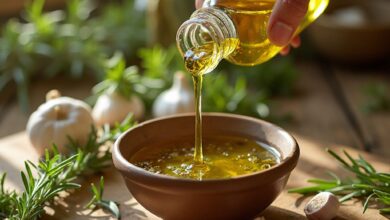
- Oil is Your Friend: Herbs release their fat-soluble compounds best when combined with oil. Always incorporate them into an olive oil-based marinade or rub. This also helps prevent delicate herbs from burning directly on the grill.
- Fresh vs. Dried: While fresh herbs are fantastic for marinades and infusing smoke, dried herbs (like those from Simply Organic) are often more potent and better suited for dry rubs, especially for longer cooking times. As a general rule, use 1 teaspoon of dried herb for every tablespoon of fresh.
- Post-Grill Freshness: Don’t forget the power of fresh herbs as a garnish! Finely chopped parsley, cilantro, or mint tossed with grilled vegetables or sprinkled over fish after grilling adds a bright, fresh counterpoint to the smoky richness.
- Herb Brushes: Bundle a few fresh sprigs of rosemary or thyme together and tie them with kitchen twine. Dip this “brush” into your marinade or basting liquid and use it to brush your food on the grill. It adds flavor and a