
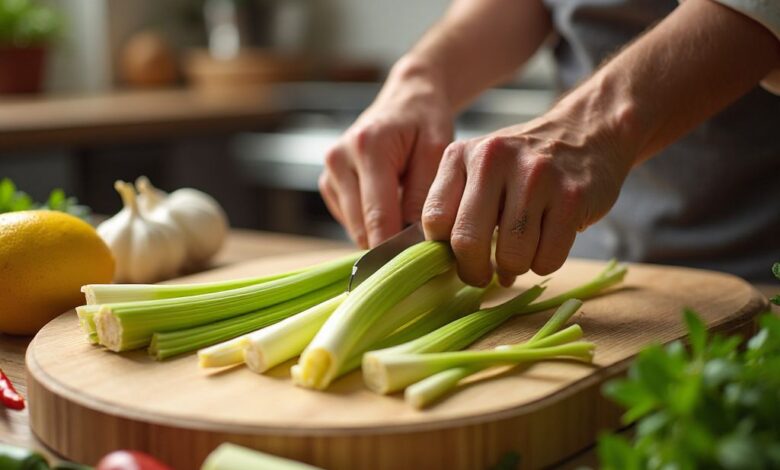
Oh, the captivating dance of flavors that lemongrass brings to a dish! Have you ever stood in an Asian market, the air thick with exotic spices, and caught that unmistakable scent – bright, clean, almost electric, yet grounding? It’s a symphony of citrus, ginger, and subtle rose notes, a fragrance that instantly transports you to bustling street food stalls and serene temple gardens. Lemongrass isn’t just a culinary ingredient; it’s an experience, a whisper of ancient traditions, and a powerhouse of vibrant taste that can transform the simplest meal into an extraordinary journey.
The Ancient Heartbeat of Southeast Asian Cuisine
Lemongrass, scientifically known as Cymbopogon citratus, is far more than just a fragrant stalk. Its origins trace back to the tropical and subtropical regions of Southeast Asia, particularly India, Sri Lanka, and Thailand, where it has been cultivated and cherished for centuries. Imagine ancient cooks, intuitively understanding the magic held within this unassuming grass, using it not only to flavor their daily meals but also as a fundamental component in their traditional medicine.
For thousands of years, lemongrass has been an indispensable pillar in the culinary landscapes of Thailand, Vietnam, Indonesia, and beyond. It’s the very soul of iconic dishes like Thai Tom Yum soup, Vietnamese pho, and Indonesian rendang. Its significance extends beyond flavor; it’s woven into the cultural fabric, symbolizing freshness, vitality, and often, hospitality. Today, this aromatic herb has transcended its tropical roots, becoming a global darling in kitchens and wellness routines worldwide, captivating chefs and home cooks alike with its unique zest and undeniable charm.
The Art of Cooking with Lemongrass: Unlocking Its Magic
Let’s dive into the heart of what makes lemongrass such a beloved culinary companion.
Flavor Profile: A Symphony of Zest and Earth
Describing the flavor of lemongrass is like trying to capture a rainbow – it’s multifaceted and utterly unique. At its core, it offers a distinct lemony zest, but it’s not the sharp acidity of a lemon. Instead, it’s softer, more aromatic, with pronounced notes of ginger, a hint of mint, and even a delicate whisper of rose or geranium. It’s earthy, slightly peppery, and incredibly refreshing, lending a complex brightness without overpowering other ingredients. This intricate balance is what makes it so versatile and utterly addictive.
Best Food Pairings: A Match Made in Culinary Heaven
Lemongrass is a team player, elevating a wide array of ingredients, especially those common in Asian-inspired cuisine.
- Coconut Milk: A classic pairing. The creamy richness of coconut milk beautifully mellows and complements the bright zest of lemongrass, forming the base for countless curries and soups.
- Chili, Garlic, Ginger: The holy trinity of Asian aromatics. Lemongrass seamlessly integrates into this fiery, pungent, and warm trio, adding its signature brightness.
- Fish Sauce & Lime: Essential for balancing flavors, fish sauce provides umami depth, while lime juice enhances lemongrass’s inherent citrusy notes.
- Proteins: Chicken, shrimp, fish, and tofu are transformed by lemongrass. It infuses them with a delicate aroma and prevents heaviness.
- Vegetables: Stir-fries, roasted vegetables, and even simple salads benefit from a touch of lemongrass. Think bell peppers, mushrooms, green beans.
Cooking Techniques: Maximizing the Aroma
The key to unlocking lemongrass’s full potential lies in proper preparation.
- Preparation: Only the bottom 3-4 inches of the stalk are typically used in cooking. Peel away the tough, dry outer layers until you reach the pale, tender inner core. The very top green parts are too fibrous for most dishes but can be used for broths or teas.
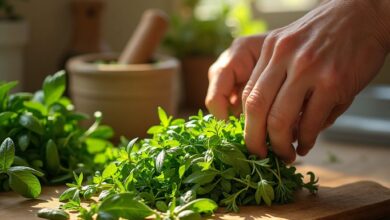
- Bruising: For infusing liquids (soups, curries, teas), bruising is essential. Lay the trimmed stalk flat and smash it several times with the back of a heavy knife or a rolling pin. This breaks down the fibers and releases the aromatic oils. Add whole or in large pieces and remove before serving.
- Mincing/Slicing: For marinades, pastes, stir-fries, or dishes where you want to eat the lemongrass, finely mince the tender inner core. You can also thinly slice it into rings for a delicate garnish in salads or certain stir-fries.
- Infusing: Lemongrass shines when its flavors are allowed to slowly infuse into broths, oils, or coconut milk. This gentle heat extracts its complex aromatics without bitterness.
Step-by-Step Recipes: Bringing Lemongrass to Life
Recipe 1: Quick & Easy Lemongrass Ginger Infusion
This simple infusion is a fantastic way to enjoy the pure, refreshing essence of lemongrass.
- Ingredients:
- 2 stalks fresh lemongrass, tender bottom part only
- 1-inch piece fresh ginger, thinly sliced
- 4 cups water
- Optional: 1-2 tsp honey or maple syrup, lime wedges for serving
- Instructions:
- Trim the lemongrass stalks, remove outer layers, and heavily bruise them with a rolling pin or the back of a knife.
- In a medium saucepan, combine the bruised lemongrass, ginger slices, and water.
- Bring to a gentle boil, then reduce heat and simmer for 10-15 minutes, allowing the flavors to meld.
- Strain the liquid, discarding the solids.
- Sweeten with honey or maple syrup if desired. Serve warm or chill for a refreshing iced drink with a squeeze of lime.
Recipe 2: Fragrant Lemongrass Coconut Chicken Curry
A creamy, aromatic curry that showcases lemongrass beautifully.
- Ingredients:
- 1 tbsp coconut oil
- 1 lb boneless, skinless chicken thighs or breast, cut into 1-inch pieces
- 1 large onion, thinly sliced
- 3 cloves garlic, minced
- 1-inch piece fresh ginger, grated
- 2 stalks fresh lemongrass, tender bottom part minced (about 2 tbsp)
- 1-2 fresh red chilies (like bird’s eye), thinly sliced (adjust to taste)
- 1 tbsp red curry paste (adjust to taste, or make your own with Simply Organic spices)
- 1 (13.5 oz) can full-fat coconut milk (I love Thai Kitchen or Aroy-D for their creaminess)
- 1 cup chicken broth or water
- 1 red bell pepper, sliced
- 1 cup green beans, trimmed
- 1 tbsp fish sauce
- 1 tsp brown sugar (or to taste)
- Juice of 1 lime
- Fresh cilantro, chopped, for garnish
- Cooked jasmine rice for serving
- Instructions:
- Heat coconut oil in a large pot or Dutch oven over medium-high heat. Add chicken and cook until lightly browned. Remove chicken and set aside.
- Add onion to the pot and cook until softened, about 5 minutes. Add garlic, ginger, minced lemongrass, and chilies. Sauté for 2-3 minutes until fragrant.
- Stir in the red curry paste and cook for 1 minute, stirring constantly, to toast the spices.
- Pour in the coconut milk and chicken broth, scraping up any browned bits from the bottom of the pot. Bring to a simmer.
- Return the chicken to the pot. Add bell pepper and green beans. Reduce heat to medium-low, cover, and simmer for 10-15 minutes, or until chicken is cooked through and vegetables are tender-crisp.
- Stir in fish sauce, brown sugar, and lime juice. Taste and adjust seasoning as needed.
- Serve hot over jasmine rice, garnished generously with fresh cilantro.
Storage Tips: Keeping Lemongrass Fresh
- Fresh: Store whole, untrimmed stalks in the refrigerator. Wrap them tightly in plastic wrap or place them in an airtight bag. They will stay fresh for 2-3 weeks.
- Freezing: For longer storage, trim and peel the tender bottom portions. You can freeze them whole, sliced, or minced in airtight freezer bags or containers for several months. No need to thaw before adding to hot dishes.
- Dried: While not as potent as fresh, dried lemongrass (available from trusted sources like Frontier Co-op or Mountain Rose Herbs) can be used. Store in an airtight container in a cool, dark place. Use 1 teaspoon of dried for every 1 stalk of fresh, rehydrating in hot water first for best results.
Substitution Options: When Lemongrass Isn’t Available
While nothing truly replicates the complex profile of fresh lemongrass, here are some alternatives in a pinch:
- Lemon Zest + Ginger: Combine the zest of one lemon with a 1/2-inch piece of grated fresh ginger for a similar bright, zesty, and warm note.
- Kaffir Lime Leaves: These offer a bright, citrusy aroma that can complement dishes, especially in Thai cuisine, though they lack the ginger-like notes of lemongrass.
- Lemon Verbena: If you happen to have it, lemon verbena offers a very clean, lemon-scented profile, but use sparingly as it can be quite potent.
Expert Insider Tips: Secrets from the Pros
After years in the kitchen and herb garden, I’ve picked up a few tricks to truly master lemongrass:
- Don’t Waste the Tops: While the tender bottom is for eating, the fibrous green tops are a goldmine for broths and stocks. Toss them into your next chicken or vegetable stock for an incredible aromatic boost. Just remember to strain them out!
- Grow Your Own: Lemongrass is surprisingly easy to grow, even in containers! Simply place a 3-4 inch stalk (with the root end intact) in a glass of water on a sunny windowsill. Once roots form, plant it in well-draining soil. It’s a perennial in warm climates and can be overwintered indoors elsewhere. This ensures a constant supply of the freshest, most vibrant stalks.
- Infuse Oils: Gently heat bruised lemongrass in a neutral oil (like grapeseed or coconut oil) for an hour or two on very low heat. Strain and bottle for a fragrant cooking oil that adds a subtle lemongrass note to stir-fries, dressings, or even roasted vegetables.
- The “Inner Core” Rule: For recipes where you’re actually eating the lemongrass (like marinades or curry pastes), always use only the very pale, tender inner core. The outer layers are too fibrous and woody to be palatable.
Health and Wellness Benefits: Beyond the Flavor
Beyond its exquisite taste, lemongrass offers a bounty of wellness benefits, cherished in traditional medicine for centuries and now supported by modern research.
- Digestive Aid: Traditionally, lemongrass tea has been used to soothe digestive upsets, reduce bloating, and promote healthy gut function. It’s thought to have carminative properties that help expel gas.
- Anti-inflammatory & Antioxidant: Rich in compounds like citral, lemongrass exhibits potent antioxidant properties, helping to combat free radicals in the body. It also contains anti-inflammatory compounds that may help reduce pain and inflammation.
- Calming & Stress-Reducing: The soothing aroma of lemongrass is often used in aromatherapy to reduce anxiety and promote relaxation. A warm cup of lemongrass tea can be a wonderful bedtime ritual.
- Immune Support: With its antioxidant content, lemongrass may contribute to a stronger immune system, helping the body fight off infections.
Common Mistakes to Avoid
Even experienced cooks can sometimes misstep with lemongrass. Here are the common pitfalls:
- Not Bruising: The most common mistake! If you don’t bruise the stalks, the aromatic oils remain trapped, and your dish will lack that signature lemongrass punch.
- Using the Wrong Part: Trying to mince the tough, fibrous green tops for a curry paste will result in an unpleasantly chewy texture. Stick to the pale, tender bottom 3-4 inches for edible preparations.
- Overcooking in Certain Dishes: While it’s great for long simmers in broths, if you’re adding finely minced lemongrass to a stir-fry, add it towards the end to preserve its fresh, bright notes.
- Underestimating its Potency: A little goes a long way. Start with the recommended amount in recipes and adjust to your taste, especially with dried lemongrass.
Safety and Precautions: A Gentle Reminder
Lemongrass is generally considered safe for culinary use by most people. However, like all herbs, it’s wise to be aware of potential considerations: