The Complete Guide to Using Cilantro Without Dividing Your Dinner Table

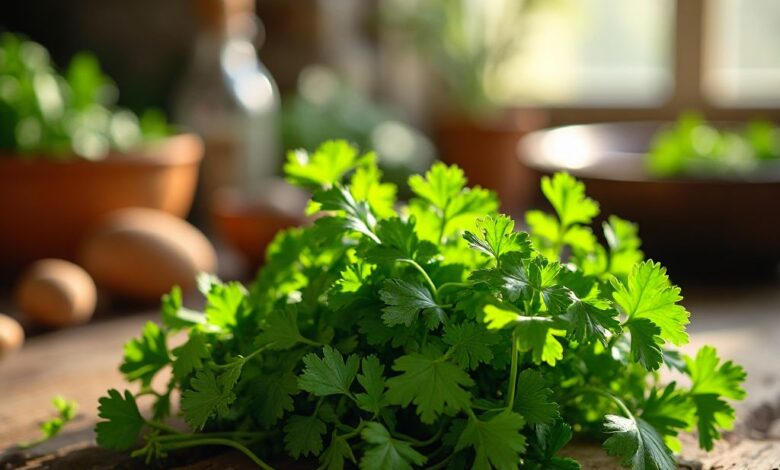
The Complete Guide to Using Cilantro Without Dividing Your Dinner Table
Ah, cilantro. Just the mention of its name can spark a lively debate, or even a shudder, at many a dinner table. It’s the herb that famously divides us, eliciting passionate declarations of love from some, and vivid descriptions of its “soapy” or “metallic” taste from others. But what if I told you that this vibrant, polarizing herb could actually bring people together? As an herbalist, culinary writer, and wellness blogger with a decade of experience exploring the intricate world of plants, I’ve learned that understanding an herb’s true nature – and a few clever kitchen tricks – can transform even the most contentious ingredient into a unifier. Get ready to unlock the secrets of cilantro, making it a welcome guest for every palate at your next meal.
Background and Cultural Tapestry of Cilantro
Before we dive into the delicious dilemmas, let’s appreciate the rich heritage of Coriandrum sativum. This remarkable plant offers us two distinct culinary treasures: the fresh leaves we call cilantro (or coriander leaves in many parts of the world), and the dried seeds, known simply as coriander. Its history stretches back millennia, with evidence of its use found in ancient Egyptian tombs and mentioned in Sanskrit texts. The Romans introduced coriander to Europe, and Spanish conquistadors later brought it to the Americas, where it quickly became indispensable in Mexican and Latin American cuisine.
Globally, cilantro is a cornerstone of diverse culinary traditions. Imagine a vibrant Indian curry without the warm, citrusy notes of ground coriander, or a fresh salsa without the bright, herbaceous punch of cilantro leaves. From the bustling street food stalls of Thailand and Vietnam to the fragrant tagines of Morocco and the hearty stews of Ethiopia, cilantro and its seed form are interwoven into the very fabric of global gastronomy. It’s more than just a seasoning; it’s a flavor ambassador, connecting cultures and communities through taste. Understanding this deep-rooted significance helps us appreciate its power, even as we navigate its divisive nature.
Mastering Cilantro in the Kitchen: Flavor, Pairings, and Peacekeeping
The key to using cilantro successfully for everyone lies in understanding its dual personality and how to harness it. For those who adore it, cilantro offers a bright, citrusy, almost peppery freshness with hints of parsley and mint. For those with the genetic predisposition (thanks to the OR6A2 gene) that makes it taste like soap, the experience is, understandably, far less appealing. But fear not, there are strategies!
Flavor Profiles: Fresh vs. Seed
-
Fresh Cilantro (Leaves):
This is where the love-hate relationship often begins. The leaves are vibrant green, delicate, and best used fresh. Their flavor is complex – bright, verdant, with lemony undertones for some, or intensely soapy and metallic for others. The stems, though often discarded, are packed with even more flavor and can be finely minced or blended into sauces.
-
Coriander Seeds:
A completely different flavor profile! The dried seeds are warm, nutty, citrusy, and slightly sweet. They are an essential spice in Indian, Middle Eastern, and North African cuisines. Roasting them lightly before grinding enhances their aroma and depth. These seeds are universally loved and present no “soapy” issue, offering a fantastic alternative for those who dislike the leaves.
Best Food Pairings for Fresh Cilantro
For the cilantro lovers at your table, the possibilities are endless. It shines in:
- Mexican Cuisine: Tacos, burritos, enchiladas, guacamole, salsa, ceviche.
- Indian Cuisine: Chutneys, raitas, garnishes for curries and dals.
- Thai and Vietnamese Cuisine: Soups (like Tom Yum), curries, spring rolls, pho.
- Middle Eastern Dishes: Tabbouleh, falafel, various dips and salads.
- Marinades and Dressings: Blended into lime-based marinades for chicken or fish, or creamy yogurt dressings.
Cooking Techniques for Harmony
This is where the “without dividing your dinner table” strategy truly comes into play:
-
Garnish, Don’t Integrate:
The simplest and most effective method. Prepare your dish without cilantro, and offer a generous bowl of freshly chopped cilantro on the side as a garnish. This empowers each diner to add as much or as little as they desire. This works beautifully for tacos, soups, grain bowls, stir-fries, and curries.
-
Cilantro-Infused Oil or Dressing:
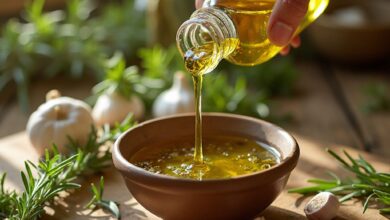
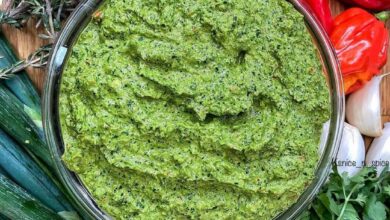
For those who can tolerate a milder cilantro flavor, or just a hint, blend fresh cilantro into an olive oil or lime juice dressing. Serve this dressing on the side for salads or as a drizzle, allowing people to control the intensity.
-
Cilantro-Free Base, Cilantro-Rich Topping:
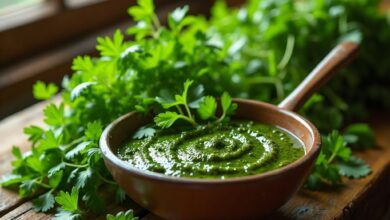
Make a large batch of a dish (e.g., a chili, a lentil soup, a rice pilaf) completely free of fresh cilantro. Then, for the cilantro enthusiasts, prepare a small, separate topping like a fresh cilantro salsa, a vibrant chimichurri, or a quick cilantro-lime relish. This way, everyone enjoys the main dish, and cilantro lovers get their fix.
-
Cooking with Coriander Seeds:
When a recipe calls for cilantro and you have dissenters, consider if coriander seeds would work as a replacement for the *overall flavor profile* of the dish. While not a direct substitute for the fresh herb’s brightness, the seeds offer a warm, citrusy depth that can be fantastic in many savory dishes, especially those with a global flair. Brands like Simply Organic and Frontier Co-op offer high-quality organic coriander seeds.
Step-by-Step Recipe Idea: Build-Your-Own Cilantro-Friendly Taco Bar
This approach is perfect for pleasing everyone!
-
Prepare Your Bases: Warm tortillas (corn or flour), or cook a batch of rice for a bowl option. Burpee Seeds has a fantastic selection if you’re keen on growing your own corn for masa!
-
Cook Your Protein: Seasoned ground beef, shredded chicken, black beans, or grilled fish – all prepared without fresh cilantro.
-
Chop Your Veggies: Shredded lettuce, diced tomatoes, sliced onions, bell peppers, jalapeños.
-
Make Your Sauces/Toppings (Cilantro-Free): Sour cream, guacamole (made without cilantro, or with a very small, optional amount blended in), cheese, a mild salsa.
-
The Cilantro Station: This is key! Finely chop a generous bunch of fresh cilantro. Place it in a small, clearly labeled bowl alongside other optional toppings. You can even offer a separate, small bowl of lime wedges for those who love to squeeze fresh lime onto their cilantro-laden tacos.
-
Consider a Coriander-Spiced Element: For an extra layer of flavor that everyone can enjoy, incorporate ground coriander seeds into your protein seasoning or a side dish like a quick pickled red onion (using Simply Organic ground coriander).
Storage Tips for Freshness
Cilantro is delicate! To keep it vibrant for longer:
- The “Bouquet” Method: Trim the bottoms of the stems. Place the bunch, stems down, in a glass with about an inch of water, like a bouquet of flowers. Loosely cover the leaves with a plastic bag (or even better, a reusable produce bag). Store in the refrigerator. Change the water every day or two. This can keep it fresh for 1-2 weeks.
- Paper Towel Method: Wash and thoroughly dry the cilantro. Wrap it loosely in slightly damp paper towels, then place it in an airtight container or a sealed plastic bag in the crisper drawer of your refrigerator.
Substitution Options for the Cilantro-Adverse
If someone truly can’t stand it, here are some excellent alternatives to provide a similar fresh, herbaceous lift:
- Flat-Leaf Parsley (Italian Parsley): The closest in texture and a generally mild, fresh flavor.
- Mint: Especially in Southeast Asian dishes, fresh mint can offer a wonderfully aromatic and refreshing note.
- Dill: For some dishes, especially those with a Mediterranean or Eastern European bent, dill can provide a unique herbaceousness.
- Combination: A mix of parsley and a tiny bit of fresh lemon zest can mimic some of cilantro’s bright notes without the “soap.”
Expert Insider Tips from My Herbalist’s Kitchen
-
Don’t Waste the Stems! Cilantro stems are incredibly flavorful, often more so than the leaves. For sauces, purees, or when finely mincing, use the tender stems along with the leaves. For a bolder flavor, you can even roughly chop the stems and add them to a broth or stew, removing them before serving.
-
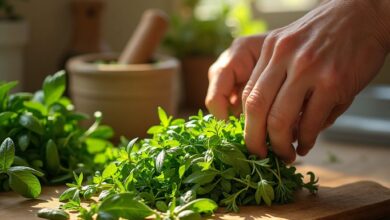
Bruise for Maximum Aroma: If you’re using cilantro in a dressing or a marinade, gently bruising the leaves and stems with the back of a spoon or a mortar and pestle before adding them can release more of their essential oils and enhance their flavor (for those who love it!).
-
Grow Your Own, Control the Flavor: Homegrown cilantro often has a more nuanced, less intense flavor profile than store-bought. Plus, you control the growing conditions. Burpee Seeds offers excellent organic cilantro seeds. Use a good quality potting mix, perhaps enriched with a little Miracle-Gro organic soil amendment for container growing, to ensure robust plants.
-
The Power of Freshness: Cilantro loses its vibrant flavor quickly when exposed to air or heat. Always add fresh cilantro at the very end of cooking, or as a garnish, to preserve its bright, fresh notes. If you’re using it in a hot dish, stir it in just before serving.
-
Embrace Cori