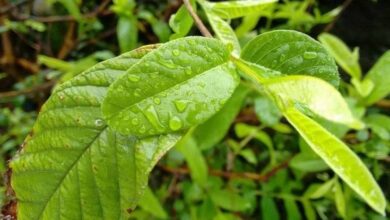
Why Fennel Seed Tea Is the Most Effective Natural Remedy for Bloating

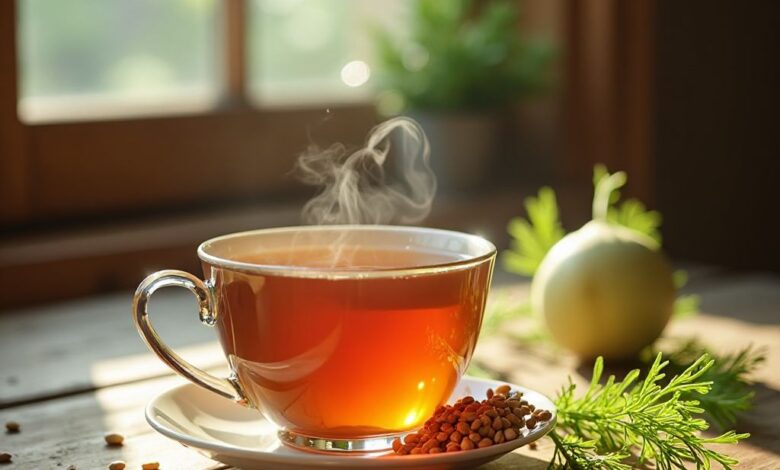
The Sweet Secret to a Serene Belly: Why Fennel Seed Tea Is Your Ultimate Bloating Remedy
Imagine a whisper of sweet licorice, a hint of anise, a delicate warmth that spreads from your tongue, down your throat, and settles into the very core of your being. This isn’t just a culinary delight; it’s the soothing embrace of fennel seed tea, a humble brew with an extraordinary power. For millennia, this unassuming seed has been revered, not just for its unique flavor, but for its almost magical ability to transform a distended, uncomfortable belly into one of serene calm. If you’ve ever felt that frustrating tightness, that unwelcome puffiness after a meal, then prepare to discover your new best friend in the natural world.
A Journey Through Time: The Enduring Legacy of Fennel
Fennel (Foeniculum vulgare) is more than just a culinary ingredient; it’s a plant steeped in history, myth, and medicinal lore. Its origins trace back to the Mediterranean, where ancient Egyptians revered it for its digestive and medicinal properties. The Greeks knew it as “marathon,” derived from the word “maraino,” meaning “to grow thin,” hinting at its traditional use for weight management and, importantly, for alleviating digestive distress. Legend has it that Prometheus carried fire from the gods to humanity in a fennel stalk.
The Romans, ever practical, cultivated fennel extensively, not just for its bulb and fronds in their feasts, but for its seeds, which they believed conferred courage and dispelled evil spirits. Pliny the Elder, the Roman naturalist, documented its use for improving eyesight and digestion. In traditional Chinese medicine, fennel seeds have been used for thousands of years to warm the middle burner, regulate qi, and alleviate pain, particularly in the abdomen.
Across the Indian subcontinent, fennel, or “saunf,” holds a cherished place. You’ll find bowls of candied fennel seeds offered after meals in almost every restaurant, a delightful tradition rooted in its potent carminative properties. This practice isn’t just about refreshing the palate; it’s a centuries-old acknowledgement of fennel’s power to aid digestion and prevent post-meal bloating. From Ayurvedic texts to European monasteries, fennel has consistently been celebrated as a digestive aid, a symbol of longevity, and a powerful ally against discomfort. Its enduring presence in kitchens and apothecaries worldwide speaks volumes about its effectiveness, making it a timeless remedy that resonates just as powerfully with our modern wellness needs today.
Crafting Comfort: Your Guide to the Perfect Fennel Seed Tea
Making fennel seed tea is a ritual of simplicity, yet its impact is profound. The beauty lies in its straightforward preparation, allowing you to harness its potent digestive benefits with ease.
Brewing Instructions for a Bloat-Busting Brew:
- Ingredients: 1-2 teaspoons of whole fennel seeds (I always recommend high-quality, organic seeds from trusted sources like Mountain Rose Herbs or Frontier Co-op for their freshness and potency), 8-10 ounces of filtered water.
- Step 1: Prepare the Seeds. For maximum effectiveness, gently crush the fennel seeds using a mortar and pestle or the back of a spoon. This breaks open the seed coat, releasing the volatile oils (anethole, fenchone, and estragole) that are responsible for its carminative properties.
- Step 2: Heat the Water. Bring your filtered water to a rolling boil.
- Step 3: Combine and Steep. Place the crushed fennel seeds in a tea infuser or directly into your mug. Pour the hot water over the seeds.
- Step 4: Cover and Infuse. Cover your mug with a small plate or lid. This is a crucial step! The beneficial volatile oils can easily evaporate with the steam. Steeping for 10-15 minutes (or even longer for a stronger brew) ensures you capture all the goodness.
- Step 5: Strain and Enjoy. Strain the seeds out, if necessary, and your soothing tea is ready.
Flavor Combinations and Variations:
While fennel tea is delightful on its own, it plays well with others, especially when you’re looking to enhance its digestive prowess or simply vary the flavor profile:
- Ginger & Fennel: Add a few thin slices of fresh ginger root to your brew. Ginger is another powerful carminative and adds a lovely spicy warmth.
- Peppermint & Fennel: A sprig of fresh peppermint or a pinch of dried peppermint leaves can amplify the digestive relief and add a refreshing zest.
- Lemon & Fennel: A squeeze of fresh lemon juice after steeping brightens the flavor and provides a vitamin C boost.
- Chamomile & Fennel: For an extra calming effect, especially if stress contributes to your digestive upset, add a chamomile tea bag or a teaspoon of dried chamomile flowers.
Hot and Cold Variations:
- Iced Fennel Tea: Brew a double-strength batch of fennel tea (using the same instructions above but with more seeds or less water). Let it cool completely, then pour it over ice. Garnish with a lemon slice or a sprig of mint for a refreshing summer bloat-buster.
- Fennel Infused Water: For a lighter, all-day sip, lightly crush a tablespoon of fennel seeds and add them to a pitcher of cold water. Let it infuse in the refrigerator for a few hours. This is a subtle, hydrating way to incorporate fennel’s benefits.
Serving Suggestions:
The best time to enjoy fennel seed tea for bloating is about 15-30 minutes after meals. This allows its active compounds to get to work on the digestive process as food moves through your system. You can also sip it throughout the day if you experience chronic digestive discomfort. Feel free to sweeten with a touch of raw honey if desired, though I find its natural sweetness perfectly satisfying.
Expert Insider Tips for the Discerning Herb Lover
- The Power of the Crush: Never underestimate the importance of gently crushing your fennel seeds just before brewing. Whole seeds have a harder time releasing their beneficial volatile oils. A quick grind with a mortar and pestle or even a sturdy rolling pin will unlock their full potential, resulting in a more potent and effective tea.
- Toasting for Depth: For a richer, nuttier flavor profile that adds an extra layer of warmth, lightly toast your fennel seeds in a dry pan over medium heat for 1-2 minutes until fragrant, before crushing and brewing. Be careful not to burn them! This technique is particularly lovely for a more robust evening brew.
- Quality Matters, Always: Just like with any herbal remedy, the quality of your raw ingredients is paramount. Seek out organic, whole fennel seeds from reputable suppliers. Brands like Mountain Rose Herbs, Frontier Co-op, or Simply Organic consistently offer fresh, vibrant seeds bursting with aromatic oils. Old, stale seeds will offer little in terms of flavor or therapeutic benefit.
- The “Tea Bag” Trick: If you’re using loose seeds and don’t have a tea infuser, you can still cover your mug. Place the crushed seeds directly in the mug, pour hot water over them, and then cover the mug with a small plate. This traps the precious volatile oils, ensuring they infuse into your water rather than escaping with the steam.
- Synergistic Sips: While fennel is a powerhouse on its own, its anti-bloating effects can be amplified when combined with other carminative herbs. Consider blending it with a pinch of dried ginger, a few cardamom pods, or a sprig of fresh mint. These combinations not only create a more complex flavor but also offer a broader spectrum of digestive support.
Unveiling the Wellness Wonders: Why Fennel Seed Tea Works for Bloating
The magic of fennel seed tea as an anti-bloating remedy isn’t just folklore; it’s backed by centuries of traditional use and modern scientific understanding. Its efficacy lies primarily in its unique composition of volatile oils, particularly anethole, fenchone, and estragole.
These compounds are powerful carminatives – substances that help prevent the formation of gas in the gastrointestinal tract and aid in its expulsion. When you sip on warm fennel tea, these oils get to work in several remarkable ways:
- Relaxing Digestive Muscles: Anethole, the primary active compound in fennel, has antispasmodic properties. This means it helps relax the smooth muscles of the digestive tract, including those in the intestines. When these muscles are tense, they can trap gas, leading to pain and bloating. By relaxing them, fennel allows gas to move more freely and be expelled, providing significant relief.
- Stimulating Bile Flow: Fennel has been traditionally used to stimulate bile production and flow. Bile, produced by the liver and stored in the gallbladder, is crucial for breaking down fats. Improved fat digestion means less undigested food in the gut, which can reduce the likelihood of gas production by gut bacteria.
- Reducing Fermentation: Some research suggests that fennel may have mild antimicrobial properties, which could help balance gut flora. An overgrowth of certain bacteria can lead to excessive fermentation of food particles, resulting in increased gas and bloating. By promoting a healthier gut environment, fennel can indirectly reduce gas production.
- Anti-inflammatory Action: Bloating can sometimes be accompanied by inflammation in the gut. Fennel’s compounds exhibit anti-inflammatory effects, which can further soothe an irritated digestive system and contribute to overall comfort.
- Gentle Diuretic Effect: While not its primary action for bloating, fennel also possesses mild diuretic properties, which can help reduce water retention that sometimes contributes to a feeling of puffiness.
Beyond bloating, fennel seed tea offers a spectrum of other health benefits. It’s a natural source of antioxidants, protecting cells from damage. It can soothe an upset stomach, alleviate indigestion, and even act as a mild expectorant, helping to clear congested airways. Some traditional uses point to its potential for supporting hormonal balance, though more research is needed in this area. For thousands of years, cultures worldwide have turned to fennel for its gentle yet powerful ability to bring harmony to the digestive system, making it an indispensable part of any natural wellness toolkit.
Common Mistakes to Avoid for a Perfect Brew
Even with something as simple as herbal tea, there are a few pitfalls beginners often encounter. Avoiding these common mistakes will ensure your fennel seed tea is as effective and delicious as possible:
- Not Crushing the Seeds: This is the number one mistake! Whole seeds have a tough outer shell that prevents the beneficial volatile oils from infusing into the water. Always give them a gentle crush before steeping.
- Not Steeping Long Enough (or Too Long): A quick dip isn’t enough. Aim for 10-15 minutes of steeping to extract the full benefits. However, steeping for excessively long periods (hours) can sometimes make the tea overly strong or slightly bitter, though fennel is quite forgiving.
- Forgetting to Cover Your Mug: As mentioned, the active compounds in fennel are volatile oils. If you don’t cover your mug while steeping, these precious oils will evaporate with the steam, significantly reducing the tea’s effectiveness.
- Using Stale Seeds: Spices and herbs lose their potency over time. If your fennel seeds have been sitting in the back of your pantry for years, they’ve likely lost much of their flavor and therapeutic properties. Invest in fresh, high-quality seeds for the best results.
- Expecting Instant Miracles: While fennel tea can provide rapid relief for acute bloating, it’s not a magic bullet for chronic digestive issues caused by poor diet or underlying conditions. It works best as part of a holistic approach to wellness, complementing a balanced diet and healthy lifestyle.
Safety First: Important Precautions and Considerations
While fennel seed tea is generally considered safe for most healthy adults when consumed in moderation, it’s essential to be aware of potential precautions and interactions. As an herbalist, I always advocate for informed choices and listening to your body.
- Pregnancy and Breastfeeding: Due to its mild estrogenic properties, fennel is traditionally advised to be used cautiously or avoided during pregnancy. While small amounts in food are generally fine, therapeutic doses in tea form might not be recommended. Consult your healthcare provider. Similarly, while it’s sometimes used to increase milk supply, it’s best to discuss its use with a doctor or lactation consultant during breastfeeding.
- Estrogen-Sensitive Conditions: Individuals with estrogen-sensitive conditions such as breast cancer, ovarian cancer, or endometriosis should exercise caution due to fennel’s potential estrogenic effects.
- Allergies: People with allergies to other plants in the Apiaceae family (like carrots, celery, dill, or anise) might also be sensitive to fennel.
- Medication Interactions: Fennel may potentially interact with certain medications. It might increase the risk of bleeding when taken with blood thinners (anticoagulants or antiplatelet drugs). It could also potentially interact with estrogen-containing medications (like birth control pills or hormone replacement therapy) due to its phytoestrogen content. If you are on any medication, especially those listed, or have a chronic health condition, always consult your doctor or a qualified herbalist before incorporating fennel tea into your routine.
- Moder