
Introduction
Herbs are one of the easiest ways to add flavor to food. Even simple meals can taste more interesting with the right herb. For beginners, herbs can feel confusing because each one smells and tastes different. Learning about common cooking herbs and their flavor profiles helps you choose the right herb with confidence.
This article explains herbs in a simple and friendly way. You do not need cooking experience. Everything is written for everyday readers who want to understand flavors better.
What This Topic Means (Simple Explanation)
Cooking herbs are leaves from plants that are used to add taste and aroma to food. A “flavor profile” simply means how something tastes and smells.
When we talk about common cooking herbs and their flavor profiles, we are explaining what each herb tastes like. Some herbs taste fresh and light. Others taste deep and earthy. Knowing this helps you decide which herb fits your dish.
Why This Is Important
Understanding herb flavors is useful in daily life:
- You choose herbs more confidently
- Food tastes balanced, not confusing
- Recipes are easier to follow
- You avoid using the wrong herb
- Gardening choices become simpler
- Drinks and teas feel more intentional
Learning common cooking herbs and their flavor profiles saves time and reduces kitchen mistakes.
Common Types or Examples
Below are popular cooking herbs and simple explanations of their flavors.




Basil
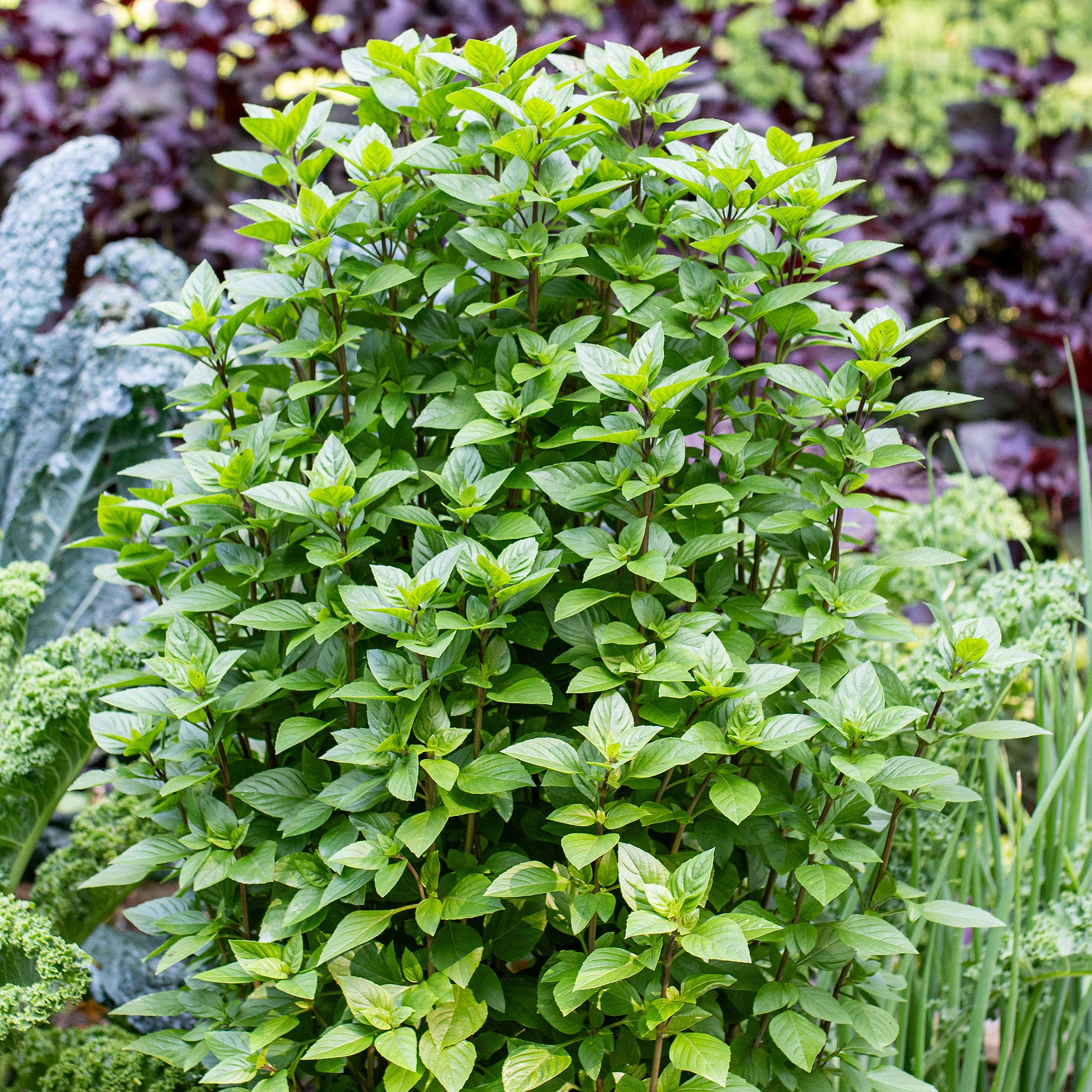
Basil tastes fresh and slightly sweet. It has a soft, clean aroma. It works well in light dishes and tomato-based meals.
Parsley
Parsley has a mild, clean taste. It does not overpower food and is often used to brighten flavors.
Thyme
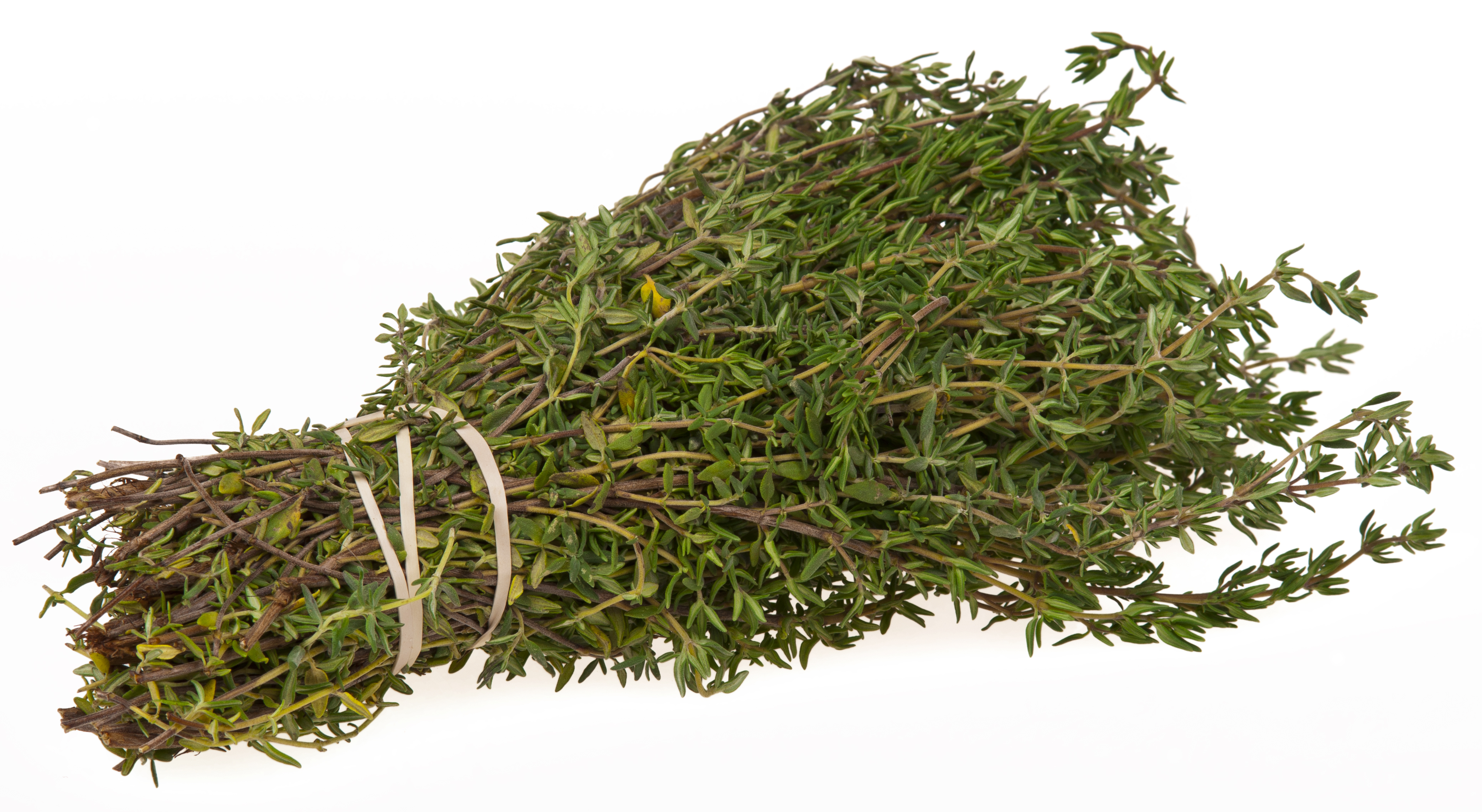
Thyme tastes earthy and gentle. Its flavor spreads slowly during cooking, making it good for soups and stews.
Rosemary
Rosemary has a strong, pine-like aroma. It tastes bold and should be used in small amounts.
Mint
Mint tastes cool and refreshing. It adds a clean, bright note to both food and drinks.
Cilantro (Coriander Leaves)
Cilantro tastes fresh and sharp. It is often used to add a lively finish to dishes.
Oregano
Oregano has a warm, slightly bold taste. It blends well with cooked foods and sauces.
Sage
Sage tastes deep and savory. It feels heavier than most herbs and suits rich dishes.
Bay Leaf
Bay leaf adds a subtle background flavor. It is not eaten directly and is removed before serving.
These are some of the most common cooking herbs and their flavor profiles explained simply.
How to Use or Apply This in Daily Life
Beginners can follow these easy steps when using herbs.
Step 1: Think about the dish
Is it light or heavy? Fresh or slow-cooked?
Step 2: Match the flavor strength
- Light dishes: basil, parsley, mint
- Rich dishes: thyme, rosemary, sage
Step 3: Decide when to add the herb
- Dried herbs: add earlier
- Fresh herbs: add near the end
Step 4: Start small
Use a little first. Add more only if needed.
Step 5: Taste before serving
This helps you understand how the herb changed the dish.
Tips for Beginners
These tips make learning easier:
- Use one herb at a time when starting
- Smell the herb before using it
- Chop fresh herbs evenly
- Keep notes on what you like
- Practice with simple meals
Understanding common cooking herbs and their flavor profiles improves with practice.
Common Mistakes to Avoid
Many beginners face the same problems.
Using too many herbs at once
This can confuse flavors. Keep it simple.
Using strong herbs like mild ones
Rosemary and sage need smaller amounts.
Adding fresh herbs too early
This can reduce their flavor.
Not tasting the food
Taste helps you learn and adjust.
Mixing herbs without understanding them
Learn each herb first before combining.
Avoiding these mistakes builds confidence quickly.
Safety and Usage Notes
Herbs used in cooking are meant for flavor only.
- Wash fresh herbs before use
- Use herbs in normal cooking amounts
- Remove bay leaves before eating
- Store herbs properly
- Discard herbs that look or smell spoiled
This information is for everyday kitchen use only.
Frequently Asked Questions (FAQs)
How do I know which herb to use?
Start by thinking about how strong or mild the dish is.
Are dried herbs different from fresh herbs?
Yes. Dried herbs taste stronger and are used in smaller amounts.
Can herbs be mixed together?
Yes, but beginners should start with simple combinations.
Do herbs lose flavor over time?
Yes. Old herbs smell weaker and add less taste.
Can herbs be used in drinks or teas?
Some herbs like mint and basil are commonly used in drinks.
Conclusion
Learning about common cooking herbs and their flavor profiles helps beginners feel more confident in the kitchen. Herbs do not need to be complicated. Each one has its own simple taste and role.
Start with one herb. Smell it. Taste it. Use it gently. Over time, you will naturally understand which herbs fit your meals, drinks, and cooking style.