Why Growing Cilantro Is Tricky and How to Finally Get It Right

Why Growing Cilantro Is Tricky and How to Finally Get It Right
Ah, cilantro! Just the mention of its name can evoke a symphony of vibrant flavors and aromas for some, while for others, it conjures an entirely different, less pleasant sensation. Whether you’re a devout devotee who sprinkles it generously on tacos and curries, or someone who finds its taste reminiscent of soap, there’s no denying its powerful presence. But beyond the culinary debate, there’s a common frustration shared by many a home gardener: getting cilantro to thrive can feel like trying to catch mist. It sprouts with such enthusiasm, only to bolt into flower at the first hint of warm weather, leaving behind spindly stems and tough leaves. If you’ve ever felt like giving up on this fragrant herb, dear reader, I’m here to tell you that the secret to a continuous, lush supply of cilantro is not elusive magic, but rather a few expert insights and a deep understanding of its unique personality. Let’s unlock the mysteries of this beloved, yet often baffling, plant together!
A Journey Through Time and Taste: The Story of Cilantro
Cilantro, known botanically as Coriandrum sativum, boasts a lineage as rich and complex as its flavor profile. Its story begins over 3,000 years ago, with archaeological evidence placing its origins in the Near East and Southern Europe. Ancient Egyptians revered it, finding its seeds in the tomb of Tutankhamun, while the Romans carried it across Europe, introducing it to new palates. It’s even mentioned in the Bible and Sanskrit texts, testifying to its enduring presence across cultures and millennia.
What makes cilantro so fascinating is its duality: the fresh, vibrant leaves we call cilantro, and the aromatic, earthy seeds known as coriander. This single plant offers two distinct culinary experiences, both indispensable in global cuisines. From the bustling street food stalls of Mexico, where it’s a non-negotiable garnish for carnitas and ceviche, to the fragrant curries of India and Thailand, where both leaves and seeds play starring roles, cilantro has woven itself into the very fabric of human gastronomy. It’s a taste of history, a staple of modern kitchens, and a bridge between ancient traditions and contemporary wellness. Understanding this heritage helps us appreciate its delicate nature and the care it requires to flourish in our gardens.
Cultivating Culinary Gold: Your Guide to Growing Lush Cilantro
Growing cilantro successfully isn’t about being a master gardener; it’s about understanding and respecting its specific needs. Let’s dig into the details that will transform your cilantro patch from a fleeting dream to a bountiful reality.
Flavor Profiles and Culinary Uses
Before we even get to planting, let’s savor the reason we put in the effort: that unmistakable flavor! Fresh cilantro leaves offer a bright, citrusy, almost peppery zing with herbaceous undertones. It’s the essential fresh note in pico de gallo, the refreshing counterpoint in a fiery Thai salad, and the aromatic finish to a rich Indian dal. The seeds, coriander, offer a completely different profile – warm, nutty, and slightly sweet, perfect for grinding into spice blends or toasting whole for a burst of flavor in pickling brines or roasted vegetables. While our focus today is on the leaves, remember the plant’s full potential!
Soil Requirements: The Foundation of Flavor
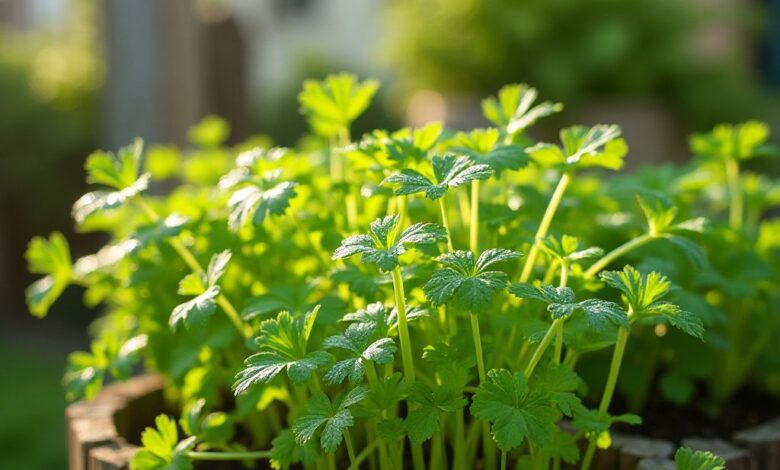
Cilantro thrives in well-draining soil that’s rich in organic matter. Think of its native Mediterranean and Middle Eastern homes – not waterlogged, but not bone dry either. A good quality potting mix, perhaps one enriched with compost, is ideal. For garden beds, amend heavy clay soils with sand and compost to improve drainage. Cilantro prefers a slightly acidic to neutral pH, ideally between 6.0 and 7.0. A healthy soil structure ensures good root development and prevents waterlogging, which can quickly lead to rot and disease.
Sunlight Needs: The Goldilocks Zone
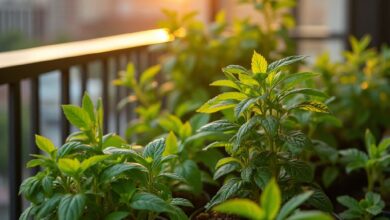
This is where many gardeners stumble! While many herbs crave full, scorching sun, cilantro is a bit of a rebel. In cooler spring or fall weather, it loves full sun (6+ hours of direct sunlight). But once temperatures soar above 75°F (24°C), it needs some afternoon shade to prevent bolting – the premature flowering that turns tender leaves bitter and causes the plant to go to seed. Planting it where it gets morning sun and dappled afternoon shade is often the secret to extending its leafy lifespan. Consider planting it on the east side of a taller plant or structure that can provide natural afternoon relief.
Watering Schedule: Consistent Sips
Consistent moisture is key. Cilantro doesn’t like to dry out completely, nor does it enjoy soggy feet. Water regularly, especially during dry spells, aiming for about an inch of water per week. Feel the soil – if the top inch or two feels dry to the touch, it’s time to water. In containers, this might mean daily watering during hot periods, while in garden beds, it could be every 2-3 days. Overhead watering is fine, but watering at the base of the plant helps prevent fungal issues and ensures water reaches the roots efficiently.
Container vs. Ground Growing: Flexibility is Key
Both methods are entirely viable, and each offers unique advantages. Containers offer fantastic flexibility, allowing you to move your cilantro plants to shadier spots as the day heats up – a crucial advantage for preventing bolting. Choose a pot at least 8 inches deep and wide to give roots ample space. Terracotta pots can be beautiful but dry out faster than plastic. For ground planting, ensure excellent soil preparation and consider companion planting with taller plants like tomatoes or corn that can offer natural afternoon shade as they grow.
Harvesting Techniques: The Art of the Snip
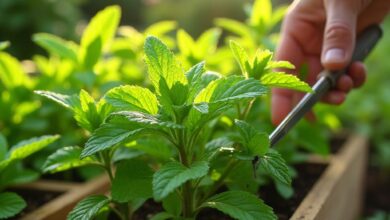
Begin harvesting when plants are about 6 inches tall, usually 3-4 weeks after germination. Use the “cut and come again” method: snip off the outer leaves at the base of the plant with clean scissors, leaving the central growth point intact. This encourages more leafy growth and delays bolting. Avoid harvesting more than one-third of the plant at a time. Regular harvesting is crucial; it signals to the plant that it needs to produce more leaves, keeping it from focusing its energy on flowering.
Pest Control: Gentle Guardianship
Cilantro is generally quite robust, but like any plant, it can attract a few unwelcome visitors. Aphids can be an issue, especially on new growth. A strong spray of water from your hose can often dislodge them. For more persistent infestations, a homemade insecticidal soap (a few drops of mild dish soap mixed in water) can deter them. Simply Organic offers excellent organic pest control options if you prefer a commercial product. Companion planting with marigolds or dill can also help deter pests naturally, as their strong scents can confuse or repel insects.
Propagation Methods: A Cycle of Freshness
Cilantro is best grown from seed. Direct sow seeds outdoors after the last spring frost, or indoors 3-4 weeks before if you want a head start. Plant seeds about 1/4 to 1/2 inch deep and 1 inch apart. Once seedlings are a few inches tall, thin them to 4-6 inches apart to ensure proper air circulation and root development. For a continuous supply, practice succession planting: sow a new batch of seeds every 2-3 weeks. This way, as one batch bolts, another is ready to harvest. Look for quality, non-GMO seeds from trusted brands like Burpee Seeds for reliable germination and strong, healthy plants.
Expert Insider Tips: Secrets from the Herb Garden
After a decade of nurturing herbs, I’ve gathered a few tricks that make all the difference, especially with a finicky friend like cilantro:
- Crack the Seeds: Cilantro seeds (coriander) are actually two seeds encased in a hull. Gently crush them with the back of a spoon or your hand before planting. This breaks the hull, allowing moisture to penetrate more easily and significantly improving germination rates.
- Staggered Planting is Non-Negotiable: As mentioned, cilantro bolts quickly. The absolute best way to ensure a continuous harvest is to sow a small batch of seeds every two weeks from early spring until late summer. This strategy keeps fresh, tender leaves coming even as older plants go to seed.
- Embrace the Shade Cloth: If you live in a region with hot summers, a light shade cloth (30-40% shade) draped over your cilantro bed during the hottest part of the day can be a game-changer. It lowers the ambient temperature around the plants, tricking them into thinking it’s still spring and delaying bolting.
- Don’t Discard Bolted Plants: When your cilantro inevitably bolts, don’t despair! Allow some of the plants to fully go to seed. You’ll then have your own fresh supply of coriander seeds, far more fragrant than store-bought. Harvest the seeds when the plant turns brown and the seeds are firm and easily detached.
- Deep Watering, Less Frequently: While consistent moisture is key, deep watering encourages roots to grow deeper, making the plant more resilient to slight fluctuations in moisture and heat. Water thoroughly until moisture seeps from the bottom of containers or penetrates several inches into garden beds.
Health and Wellness Benefits: More Than Just Flavor
Beyond its culinary charm, cilantro is a powerhouse of natural goodness. For centuries, traditional medicine systems have lauded its therapeutic properties, and modern research is beginning to catch up.
- Antioxidant Rich: Cilantro is packed with potent antioxidants, including phenolic compounds, which help combat free radicals in the body, protecting cells from damage and supporting overall cellular health.
- Anti-Inflammatory Properties: Compounds found in cilantro, like dodecenal, have demonstrated anti-inflammatory effects, which can be beneficial for reducing inflammation throughout the body.
- Digestive Aid: Traditionally, cilantro has been used to soothe digestive upset. It can help stimulate digestive enzymes, alleviate bloating, and reduce discomfort after meals.
- Rich in Vitamins: It’s an excellent source of Vitamin K, crucial for blood clotting and bone health, and a good source of Vitamin C, an essential immune booster.
- Potential for Detoxification: While more research is needed, some studies suggest cilantro may have a role in chelating heavy metals from the body, helping to eliminate toxins. This is a fascinating area of ongoing scientific inquiry!
Incorporating fresh cilantro into your daily diet is a delicious way to enjoy these benefits, adding a nutritional boost to your meals.
Common Mistakes to Avoid: Learning from Experience
Even seasoned gardeners make mistakes, but with cilantro, a few common pitfalls can quickly derail your efforts:
- Planting in Hot Weather: This is the number one culprit for bolting. Cilantro is a cool-season crop. Aim for early spring or late summer/early fall planting.
- Not Providing Enough Moisture: Letting cilantro dry out stresses the plant, sending it into “survival mode,” which often means bolting. Keep that soil consistently moist!
- Overcrowding: Planting seeds too close together can lead to poor air circulation, competition for nutrients, and increased susceptibility to disease. Thin your seedlings!
- Deep Planting of Seeds: Cilantro seeds only need to be planted about 1/4 to 1/2 inch deep. Planting them too deep can hinder germination.
- Ignoring Soil Quality: Poor, compacted, or nutrient-deficient soil will result in weak, leggy plants that are more prone to bolting and disease. Invest in good soil from brands like Miracle-Gro (their organic mixes are great for containers) or enrich your garden beds with ample compost.