Why Growing Herbs Organically Is Easier and Better Than You Might Think

Why Growing Herbs Organically Is Easier and Better Than You Might Think
Imagine plucking a sun-warmed basil leaf, its intoxicating anise-peppery aroma filling your senses, just moments before it’s tossed into a vibrant Caprese salad. Or perhaps you envision the soothing steam rising from a mug of freshly brewed peppermint tea, its crisp, cooling fragrance instantly calming your mind after a long day. These aren’t just idyllic scenes from a magazine; they are everyday realities for those who embrace the simple joy of growing their own herbs. And here’s the beautiful secret: doing it organically isn’t a daunting, expert-level challenge. In fact, it’s often far easier, more intuitive, and undeniably better for both you and the planet than you might ever have believed.
The Ancient Roots of Our Green Companions
Herbs have been intertwined with human civilization since time immemorial, long before the advent of modern agriculture or even written language. From the earliest hunter-gatherers identifying medicinal plants to ancient Egyptian priests using frankincense and myrrh in sacred rituals, and Roman chefs seasoning their feasts with rosemary and thyme, herbs have served as food, medicine, fragrance, and spiritual conduits. The venerable Ebers Papyrus, an ancient Egyptian medical text dating back to 1550 BC, meticulously details hundreds of herbal remedies, showcasing a sophisticated understanding of plant properties that echoes through millennia. Across the globe, Indigenous cultures have always held deep reverence for the plant kingdom, passing down generations of knowledge about local flora’s myriad uses. In China, Traditional Chinese Medicine (TCM) has utilized herbs for thousands of years to balance the body’s energy, while Ayurvedic medicine in India similarly relies on a vast pharmacopeia of botanicals. These traditions didn’t rely on synthetic fertilizers or chemical pesticides; they understood the inherent wisdom of nature, working in harmony with the earth to cultivate potent, life-giving plants. Today, as we navigate a world increasingly aware of ecological impact and personal well-being, returning to these organic roots isn’t just a trend; it’s a rediscovery of fundamental truths about health, flavor, and our connection to the living world.
Cultivating Your Organic Herb Haven: A Step-by-Step Guide
Growing herbs organically means working with nature, not against it. It’s a philosophy that fosters resilient plants, enriches your soil, and provides you with the purest, most flavorful harvest. You don’t need a sprawling garden; a sunny windowsill, a balcony, or even a small corner of your yard is enough to begin your organic herb journey.
Soil Requirements: The Foundation of Flavor
The secret to vibrant, healthy herbs starts with the soil. Organically grown herbs thrive in living, nutrient-rich soil brimming with beneficial microbes. Forget sterile potting mixes or chemical fertilizers. Instead, opt for high-quality organic potting soil if you’re container gardening. For garden beds, enrich your existing soil with generous amounts of compost. Compost is nature’s gold – it improves drainage, aeration, and provides a slow, steady release of nutrients. Brands like Miracle-Gro’s Organic Potting Mix offer a great starting point for beginners, ensuring your plants get off to a chemical-free start. Aim for a slightly acidic to neutral pH (6.0-7.0), which suits most common culinary herbs.
Sunlight Needs: The Energy Source
Most culinary herbs are sun-worshippers! They generally require at least 6 hours of direct sunlight per day to produce robust growth and intense flavor. Think about where the sun hits your space throughout the day. South-facing windows are ideal indoors, and a sunny spot in your garden or on your patio will be perfect. Herbs like basil, rosemary, thyme, oregano, and lavender absolutely revel in the sun. Some herbs, like mint and parsley, can tolerate a bit more shade, especially in hotter climates, but even they will perform best with ample light.
Watering Schedule: Listening to Your Plants
Organic watering is about observation and mindfulness. While general guidelines exist, the best way to know when to water is to feel the soil. Stick your finger about an inch or two into the soil. If it feels dry, it’s time to water. If it’s still damp, wait. Overwatering is a common mistake that can lead to root rot. Ensure your containers have drainage holes! Water deeply until water drains from the bottom, then allow the soil to dry out slightly between waterings. Herbs like rosemary and thyme prefer drier conditions, while basil and mint appreciate consistent moisture.
Container vs. Ground Growing: Flexibility for Every Space
The beauty of herbs is their adaptability. You can successfully grow most herbs in containers, making them perfect for urban dwellers or those with limited space.
- Container Growing: Excellent for controlling soil conditions and for herbs that tend to spread aggressively (hello, mint!). Choose pots with good drainage and consider terracotta for herbs that prefer drier soil, as it allows moisture to evaporate. Basil, chives, cilantro, parsley, and even small rosemary plants thrive in pots.
- Ground Growing: If you have garden space, planting herbs directly in the ground can lead to larger, more established plants. This is ideal for perennial herbs like oregano, thyme, sage, and lavender, which can grow into substantial bushes over time. Just remember to give them enough space!
Harvesting Techniques: The Art of Abundance
Harvesting isn’t just about taking; it’s about encouraging more growth. For most herbs, gentle and regular harvesting is key.
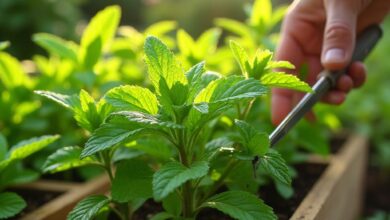
- Pinch back: For leafy herbs like basil and mint, pinch off the top sets of leaves just above a node (where two leaves emerge). This encourages the plant to branch out, becoming bushier and more productive.
- Snip stems: For herbs like rosemary, thyme, and oregano, snip off the top few inches of stems, leaving enough foliage for the plant to continue photosynthesizing.
- Don’t be shy: Harvest up to a third of the plant at a time. The more you harvest, the more it will produce!
Organic Pest Control: Nature’s Solutions
Organic gardening embraces the ecosystem, which often means fewer pest problems in the long run. Healthy plants are more resistant to pests.
- Beneficial Insects: Encourage ladybugs, lacewings, and parasitic wasps by planting flowers like dill, fennel, and marigolds nearby.
- Companion Planting: Marigolds deter nematodes and other pests, while nasturtiums can act as a trap crop, luring aphids away from your prized herbs.
- Neem Oil: For more persistent issues, a diluted solution of organic neem oil (available from suppliers like Mountain Rose Herbs) can be an effective organic pesticide and fungicide.
- Hand-picking: Sometimes, the simplest solution is the best. Manually remove larger pests like hornworms.
Propagation Methods: Expanding Your Green Family
Once you have a thriving herb patch, you can easily expand it!
- Seeds: Starting from organic seeds, like those from Burpee Seeds, is cost-effective and offers a wide variety. Follow package instructions for depth and spacing.
- Cuttings: Many herbs, like rosemary, mint, sage, and basil, root easily from cuttings. Snip a 4-6 inch stem, remove the lower leaves, and place it in a glass of water or moist potting mix.
- Division: Perennial herbs like chives and oregano can be divided as they grow larger, giving you multiple new plants.
Expert Insider Tips for Thriving Organic Herbs
- The “Snip & Sip” Method for Mint: To keep mint from taking over your garden (it’s a notorious spreader!), grow it in containers. But here’s the insider tip: instead of just harvesting leaves, snip whole sprigs and immediately drop them into your water bottle or pitcher. The plant gets a good prune, and you get instant, refreshing, organic mint water. It also encourages bushier growth and prevents flowering, which can diminish leaf flavor.
- Pinching for Potency and Bushiness: For basil, don’t just harvest the big leaves. Regularly pinch off the very top growth of the main stem, just above a set of leaves. This forces the plant to branch out, creating a much bushier plant with more leaves and prevents it from bolting (going to seed) too quickly, which can make leaves bitter. This is key for a continuous, flavorful harvest.
- The “Sacrificial Lamb” Approach to Pests: If you have a persistent pest problem, sometimes planting a “trap crop” nearby can save your main herbs. Nasturtiums, for instance, are aphid magnets. Plant them a little distance from your basil, and the aphids will often flock to the nasturtiums, leaving your basil relatively untouched. You can then easily manage the pests on the trap crop without chemicals on your food herbs.
- Mulch for Moisture and Microbes: Applying a layer of organic mulch (like straw, wood chips, or shredded leaves) around the base of your herbs, especially those in garden beds, works wonders. It helps retain soil moisture, suppresses weeds, and as it breaks down, it feeds the soil’s microbial life – the true heroes of organic gardening. This means less watering for you and happier, healthier plants!
- Winterizing Perennials for Next Year’s Bounty: Don’t let your perennial herbs like rosemary, thyme, and sage die off in winter if you live in a colder climate. In late fall, give them a good prune, and if they’re in containers, move them to a sheltered spot or even indoors near a sunny window. In garden beds, apply a thick layer of mulch to protect their roots. This simple step ensures a vigorous return in spring, often with even more flavorful leaves.
The Unparalleled Health and Wellness Benefits
The advantages of growing herbs organically extend far beyond the garden gate and into your very being. When you cultivate herbs without synthetic pesticides, herbicides, or chemical fertilizers, you’re not just growing food; you’re nurturing potent natural medicine. Fresh, organically grown herbs are often higher in essential oils, vitamins, and antioxidants than their conventionally grown or dried counterparts. You eliminate the concern of pesticide residues, ensuring that what you consume is truly pure and wholesome.
Consider the humble peppermint. Freshly brewed from your garden, it’s a digestive aid, known to soothe upset stomachs and ease indigestion, a benefit traditional medicine has recognized for centuries and modern research continues to explore. A fragrant sprig of rosemary isn’t just a culinary delight; it’s packed with antioxidants and compounds that may support memory and cognitive function. Lavender, beyond its calming aroma, can promote relaxation and aid sleep, making a fresh lavender tea a perfect evening ritual. Basil, rich in Vitamin K and antioxidants, offers anti-inflammatory properties. Thyme, with its thymol content, is a natural antiseptic and often used in remedies for coughs and colds. By growing these herbs organically, you maximize these benefits, bringing nature’s pharmacy directly to your kitchen. Brands like Simply Organic champion the use of organic ingredients, and once you taste the difference with your own homegrown herbs, you’ll understand why.
Common Mistakes to Avoid on Your Herb Journey
Even seasoned gardeners make mistakes, and beginners often stumble on a few common hurdles. Don’t worry, they’re easily avoided!
- Overwatering: This is the number one killer of herbs. Remember to check the soil moisture before watering. Soggy roots lead to root rot.
- Insufficient Light: “Leggy” or pale plants are often a sign they’re not getting enough sun. Move them to a brighter spot.
- Wrong Soil: Using dense garden soil in containers or soil lacking drainage can suffocate roots. Always use a good quality organic potting mix for pots.
- Harvesting Too Little (or Too Much): Not harvesting can lead to woody, flavorless plants. Harvesting too