How to Brew Fresh Ginger Tea That Soothes Digestion and Warms You Up

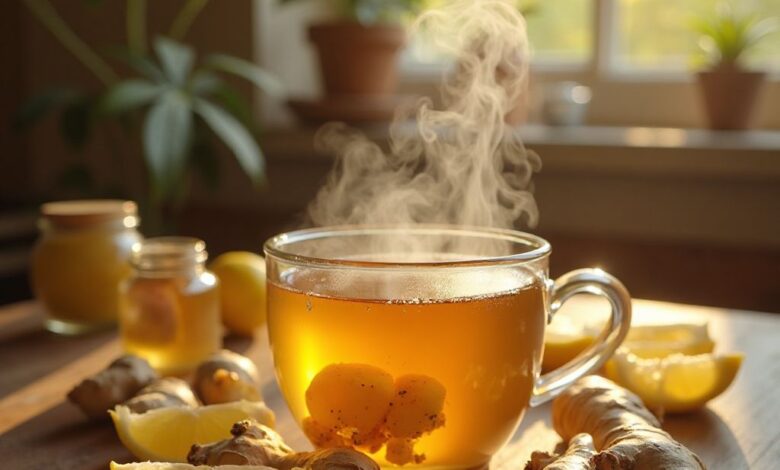
The Golden Elixir: How to Brew Fresh Ginger Tea That Soothes Digestion and Warms You Up
Imagine a biting chill in the air, a whisper of discomfort in your belly, and then… the invigorating, spicy-sweet aroma of fresh ginger wafting from your mug. It’s a scent that promises warmth, comfort, and a gentle nudge towards well-being. For centuries, this humble, gnarled root has been a staple in kitchens and apothecaries worldwide, celebrated not just for its distinctive flavor but for its profound ability to soothe and restore. Forget bland, watery infusions; today, we’re diving deep into the art of crafting a truly potent and delicious fresh ginger tea that will become your go-to remedy for digestive woes and chilly days.
Background: A Root Through Time and Culture
The story of ginger (Zingiber officinale) is as rich and complex as its flavor. Originating in the lush tropical rainforests of Southeast Asia, particularly India and China, ginger’s journey across continents began thousands of years ago. It was one of the very first spices to be cultivated, revered by ancient civilizations for both its culinary zest and its remarkable medicinal properties.
In Ayurvedic medicine, the traditional healing system of India, ginger is known as “vishwabheshaj” – the universal medicine. It’s cherished for its warming “agni” (digestive fire) enhancing properties. Similarly, Traditional Chinese Medicine (TCM) hails ginger as a powerful herb to warm the middle burner, expel cold, and harmonize digestion. Ancient Greek and Roman texts also documented its use, a testament to its early widespread adoption through the lucrative spice trade routes, where it was once so valuable it was used as currency.
From the bustling markets of medieval Europe, where it was a prized spice, to the modern-day kitchens of countless cultures, ginger continues to be a global staple. It’s not just a flavor enhancer; it’s a symbol of warmth, healing, and enduring comfort, connecting us to a timeless tradition of natural wellness that resonates just as strongly today.
Main Content: Your Guide to Brewing the Perfect Ginger Elixir
The Magic of Fresh Ginger
While dried, powdered ginger has its place, there’s an undeniable magic in fresh ginger root, especially when it comes to tea. The fresh root contains higher concentrations of gingerols, the compounds responsible for much of its pungent flavor and therapeutic effects. These volatile oils create a vibrant, zesty, and deeply warming experience that powdered ginger simply can’t replicate.
Gather Your Tools and Ingredients
Before you begin your brewing adventure, ensure you have these essentials:
- Fresh Ginger Root: Look for firm, smooth, unblemished ginger with taut skin. Avoid any pieces that are soft, shriveled, or moldy. Organic is always a bonus!
- Water: Filtered water yields the best-tasting tea, free from chlorine or other off-flavors.
- Optional Flavor Enhancers:
- Fresh lemon or lime slices
- Raw honey or maple syrup (Manuka honey adds an extra layer of wellness!)
- Cinnamon stick, star anise, or a few cloves
- A pinch of turmeric powder or a slice of fresh turmeric root (for an anti-inflammatory boost)
- Tools:
- Sharp knife and cutting board
- Small saucepan
- Fine-mesh strainer
- Your favorite mug
Step-by-Step Brewing Instructions for Digestive Comfort
This method is designed to extract maximum flavor and therapeutic compounds, ensuring a truly soothing and warming brew.
- Prepare the Ginger: For a single serving (about 8-10 ounces of water), you’ll need a piece of fresh ginger root about 1 to 2 inches long. You have a few options for preparation, each affecting the tea’s potency:
- Slicing: Thinly slice the ginger, leaving the skin on if it’s organic and clean. This yields a milder, more delicate tea.
- Crushing: Lightly smash the ginger slices with the flat side of your knife or a muddler. This breaks down the fibers, releasing more of the beneficial compounds and creating a stronger tea.
- Grating: Grating the ginger (skin on, if organic) provides the most surface area, resulting in the most potent and pungent tea.
For digestive soothing, I often opt for crushing or grating to maximize the extraction of gingerols and shogaols.
- Combine and Boil: Place your prepared ginger into a small saucepan. Add 8-10 ounces of filtered water.
- Simmer for Extraction: Bring the water to a gentle boil, then immediately reduce the heat to a low simmer. Allow the ginger to simmer for at least 5 minutes for a mild tea, or up to 10-15 minutes for a stronger, more medicinal brew. The longer it simmers, the more potent and spicy your tea will become. Watch the water turn a beautiful pale yellow, indicating the ginger’s essence is being released.
- Steep (Optional but Recommended): Once simmering is complete, remove the saucepan from the heat, cover it, and let the ginger steep for an additional 2-5 minutes. This allows any remaining volatile compounds to infuse into the water without evaporating.
- Strain and Serve: Place a fine-mesh strainer over your mug and carefully pour the ginger tea through it, catching all the ginger pieces.
- Customize and Enjoy: Now for the best part!
- Stir in a teaspoon or two of raw honey or maple syrup to taste.
- Squeeze in a wedge of fresh lemon or lime for brightness and an extra vitamin C boost.
- Add a cinnamon stick for a delightful aroma and gentle sweetness.
Sip slowly, feeling the warmth spread through your body and the gentle comfort settling in your belly.
Hot and Cold Variations for Every Season
While a hot ginger tea is a classic for warmth and comfort, don’t limit yourself!
- Iced Ginger Tea: Brew a stronger concentrate of ginger tea (using more ginger or simmering longer). Let it cool completely, then chill it in the refrigerator. Serve over ice with a splash of sparkling water, a slice of lemon, and a sprig of fresh mint for a wonderfully refreshing and digestive aid on a hot day.
- Ginger Switchel: For a gut-friendly twist, try a “ginger switchel.” Brew your ginger tea, let it cool, then stir in a tablespoon of apple cider vinegar (with the mother!) and a touch of honey or maple syrup. It’s an old-fashioned rehydration drink with a modern wellness appeal.
Flavor Combinations to Delight Your Palate
Ginger plays well with many friends. Experiment to find your favorite:
- Ginger-Lemon-Honey: The quintessential trio, perfect for colds, sore throats, and everyday wellness.
- Ginger-Turmeric-Black Pepper: A powerful anti-inflammatory blend. The black pepper helps activate the curcumin in turmeric. This is a powerhouse for soothing aches and pains.
- Ginger-Cinnamon-Clove: Evokes the warm, spicy notes of chai. Great for cozy evenings. A pinch of ground cardamom can elevate this even further.
- Ginger-Mint: Incredibly refreshing and also excellent for soothing an upset stomach.
- Ginger-Orange: A bright and zesty combination, especially lovely in colder months. Add a slice of orange peel to your brew.
Serving Suggestions
This versatile tea can be enjoyed at any time:
- Morning Ritual: A warm mug can kickstart your digestion and energize you gently.
- After Meals: Perfect for aiding digestion and preventing post-meal bloat.
- Before Bed: A calming, warming ritual to unwind (unless the spiciness keeps you awake!).
- During Illness: A comforting companion for colds, flu, and nausea.
- As a Mocktail Base: The iced version makes an excellent, sophisticated base for non-alcoholic drinks.
Expert Insider Tips
After years of brewing, here are a few secrets I’ve picked up that will elevate your ginger tea game:
- The Spoon Trick for Peeling: Instead of a peeler, use the edge of a spoon to gently scrape away the thin skin of the ginger. This minimizes waste and is incredibly effective, especially for gnarled pieces. However, if your ginger is organic and clean, don’t even bother peeling – many beneficial compounds are just beneath the skin!
- Maximize Potency with Grating or Freezing: For the most potent brew, grate your ginger. If you’re short on time or want to preserve ginger, freeze whole knobs. When you need it, simply grate the frozen ginger directly into your saucepan. It grates beautifully and saves prep time!
- The Second Steep: Don’t toss those