

Introduction
Soups and stews are comforting, simple meals that many beginners enjoy cooking. They often use basic ingredients and slow cooking, which makes them feel forgiving. However, one small detail can make a big difference in flavor: when you add herbs.
Many beginners are unsure whether herbs should be added at the beginning, middle, or end of cooking. Adding herbs at the wrong time can make flavors weak, bitter, or dull. This article explains when to add herbs to soups and stews in a clear, beginner-friendly way, so you can get the best flavor every time.
What This Topic Means (Simple Explanation)
Adding herbs to soups and stews means choosing the right time during cooking to put herbs into the pot.
Herbs release flavor differently depending on:
- Whether they are fresh or dried
- How long the soup or stew cooks
- How strong or delicate the herb is
Some herbs need time to slowly release flavor. Others lose their taste if cooked too long. Knowing when to add herbs helps you control flavor instead of guessing.
Why This Is Important
Understanding when to add herbs to soups and stews has several benefits.
First, it improves flavor balance. Herbs taste better when added at the right stage.
Second, it prevents wasted ingredients. Herbs added too early or too late may not taste as expected.
Third, it builds cooking confidence. You can follow recipes more easily and adjust them when needed.
Fourth, it helps you cook consistently. Your soups and stews will taste good every time, not just sometimes.

Finally, it makes simple ingredients more enjoyable. Proper herb timing brings depth and freshness to everyday meals.
Common Types or Examples
Herbs used in soups and stews can be grouped by how they behave during cooking.
Hardy Herbs (Best Added Early)
Hardy herbs have tough leaves or woody stems. They can handle long cooking times.
Common hardy herbs:
- Thyme
- Rosemary
- Bay leaf
- Oregano
- Sage
These herbs slowly release flavor and work well in simmering dishes.
Soft Herbs (Best Added Late)
Soft herbs have delicate leaves and fresh aromas.
Common soft herbs:
- Parsley
- Basil
- Cilantro
- Dill
- Chives
These herbs lose flavor if cooked too long and are best added near the end.
Herbs Used in Both Ways
Some herbs can be used either early or late, depending on the form.
Examples:
- Thyme (fresh or dried)
- Oregano (fresh or dried)
Dried versions are usually added earlier. Fresh versions are often added later.
How to Use or Apply This in Daily Life
Here is a simple, step-by-step guide beginners can follow when adding herbs to soups and stews.
Step 1: Identify the Type of Herb
Ask yourself:
- Is the herb fresh or dried?
- Is it hardy or soft?
This answer guides your timing.
Step 2: Add Dried Herbs Early
Dried herbs need time to soften and release flavor.
When to add:
- At the beginning or early simmer stage
Why:
- Heat helps dried herbs release aroma
- Long cooking blends flavors smoothly
Common dried herbs for early use:
- Dried thyme
- Dried oregano
- Dried bay leaf
Step 3: Add Hardy Fresh Herbs Early or Midway
Fresh hardy herbs can handle heat.
When to add:
- Early or midway through cooking
Why:
- They release flavor slowly
- They do not lose strength easily
Examples:
- Fresh rosemary sprigs
- Fresh thyme sprigs
These are often removed before serving.
Step 4: Add Soft Fresh Herbs Late
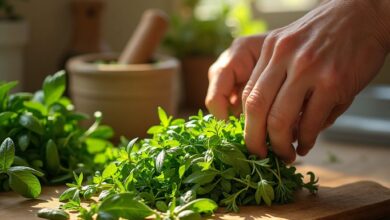
Soft herbs are best used as finishing herbs.
When to add:
- In the last few minutes of cooking
- Or after turning off the heat
Why:
- Preserves fresh flavor
- Adds brightness and color
Examples:
- Fresh parsley
- Fresh basil
- Fresh cilantro
Step 5: Taste and Adjust
Always taste before serving.
- If flavor feels weak, add a small amount of fresh herb.
- If flavor is strong, avoid adding more.
This step helps balance the soup or stew.
When to Add Herbs by Soup or Stew Type
Different soups and stews benefit from slightly different timing.
Clear Soups and Broths
Examples:
- Vegetable soup
- Chicken broth
Best approach:
- Add dried or hardy herbs early
- Add fresh herbs at the end
Clear soups highlight herb flavor, so timing matters.
Thick Stews
Examples:
- Beef stew
- Lentil stew
Best approach:
- Add dried herbs early
- Add fresh herbs near the end or as garnish
Long cooking works well with hardy herbs.
Cream-Based Soups
Examples:
- Creamy vegetable soups
Best approach:
- Add dried herbs early
- Add fresh herbs gently near the end
Fresh herbs add contrast to rich textures.
Vegetable Soups
Vegetables absorb herb flavor easily.
Best approach:
- Add dried herbs early
- Add fresh herbs at the end for brightness
Tips for Beginners
These tips make herb timing easier to remember.
- Dried herbs go in early.
- Fresh soft herbs go in late.
- Hardy herbs can cook longer.
- Start with small amounts.
- Use whole sprigs for easy removal.
- Taste before adding more herbs.
- Keep notes on what works for you.
Common Mistakes to Avoid
Avoiding these mistakes will improve your soups and stews quickly.
Adding Fresh Herbs Too Early
Fresh herbs lose aroma if cooked too long. Add them late.
Forgetting to Remove Woody Herbs
Bay leaves and rosemary stems should be removed before serving.
Using Too Many Herbs at Once
Too many herbs can clash. Choose one or two main herbs.
Adding Herbs Without Tasting
Always taste first. You may not need more.
Using Old Herbs
Old dried herbs have weak flavor. Replace them when aroma fades.
Safety and Usage Notes
Herbs used in soups and stews are for normal cooking use.
- Wash fresh herbs before adding them.
- Use herbs you can clearly identify.
- Remove non-edible parts like stems or leaves.
- Store herbs properly to maintain quality.
- Use herbs in normal cooking amounts.
This information is educational and focused on everyday cooking.
Frequently Asked Questions (FAQs)
Should herbs be added at the beginning or end?
It depends on the herb. Dried herbs go in early. Fresh soft herbs go in late.
Can I add both dried and fresh herbs?
Yes. Many soups use dried herbs early and fresh herbs at the end.
How long should herbs cook in soups?
Dried herbs can cook for the full time. Fresh herbs usually need only a few minutes.
What if I forget to add herbs early?
You can still add fresh herbs near the end to improve flavor.
Do herbs taste stronger the longer they cook?
Not always. Some herbs lose flavor if cooked too long.
Can I add herbs after turning off the heat?
Yes. This is often best for fresh herbs.
Conclusion
Knowing when to add herbs to soups and stews is a simple skill that makes a big difference. Dried and hardy herbs build flavor when added early. Fresh, soft herbs add brightness when added at the end.
For beginners, the key is to keep things simple. Identify the type of herb, add it at the right stage, and taste as you go. With practice, herb timing will feel natural, and your soups and stews will become more flavorful, balanced, and enjoyable every time.