

Craft Your Culinary Legacy: The Art of the Herb-Crusted Roast
Imagine the aroma: a rich, savory symphony of earthy rosemary, pungent garlic, and a hint of bright lemon zest, wafting from your oven. It’s the scent of comfort, celebration, and pure culinary triumph. This isn’t just dinner; it’s an experience, a statement, a dish so profoundly delicious it becomes *your* signature. Today, we’re not just making an herb-crusted roast; we’re crafting a masterpiece that will be talked about, requested, and lovingly remembered. Because, as surprising as it may seem, a humble sprig of rosemary, when properly applied, can transform a simple cut of meat into an unforgettable culinary legacy.
The Timeless Allure of Herbs and Roasts
The marriage of herbs and roasted meats is as old as civilization itself, a testament to humanity’s enduring quest for flavor and nourishment. From the open hearths of ancient Rome, where rosemary and thyme were tossed onto sizzling game, to the medieval banquets of Europe, where sage and garlic infused grand joints of beef, herbs have always played a starring role. They weren’t just flavor enhancers; they were natural preservatives, digestive aids, and symbols of abundance.
This tradition has traversed continents and centuries, evolving with each culture. In the Mediterranean, robust herbs like oregano, marjoram, and thyme became synonymous with slow-cooked lamb and pork. French cuisine elevated the “fines herbes” and “herbes de Provence” to an art form, delicately scenting poultry and beef. Today, the herb-crusted roast continues to be a cornerstone of global comfort food, a dish that speaks of warmth, generosity, and the simple magic of transforming raw ingredients into something extraordinary. It’s a culinary ritual that connects us to our ancestors and allows us to infuse our own personal touch into a time-honored tradition.
Mastering the Art of the Signature Herb Crust
Creating an herb-crusted roast that truly stands out involves understanding your ingredients, mastering a few key techniques, and infusing your own personality into the process. This isn’t just about throwing herbs at a piece of meat; it’s about building layers of flavor that sing.
Flavor Profiles: Your Herb Palette
The secret to a truly memorable crust lies in the judicious selection and combination of herbs. Think of yourself as an artist, blending colors on a palette.
- Rosemary: The backbone of many roasts. Piney, pungent, and slightly peppery, it stands up beautifully to robust meats like beef and lamb. Its assertive flavor benefits from fine chopping.
- Thyme: Earthy, woody, and subtly floral. Thyme offers a gentler counterpoint to rosemary and pairs wonderfully with nearly all meats, especially pork and poultry.
- Garlic: Indispensable. Whether minced fresh or roasted into a paste, its pungent, sweet notes are essential for depth.
- Sage: Strongly aromatic, savory, and slightly peppery with hints of pine. A classic with pork, poultry, and rich game meats. Use sparingly as its flavor is potent.
- Oregano: Bold, peppery, and slightly bitter. Common in Mediterranean roasts, it brings a vibrant, sunny note, especially good with lamb or beef.
- Marjoram: A sweeter, milder cousin to oregano, offering delicate, floral, and slightly citrusy notes. Excellent for adding complexity without overpowering.
- Lemon Zest: A secret weapon! Brightens and lifts all the other flavors, cutting through the richness of the meat.
Best Food Pairings: The Perfect Canvas
While an herb crust can elevate almost any roast, certain pairings are legendary:
- Beef (Roasts like Ribeye, Sirloin, Tenderloin): Rosemary, garlic, thyme, black pepper, a touch of oregano.
- Lamb (Leg, Shoulder, Rack): Rosemary, garlic, oregano, mint (sparingly), lemon zest.
- Pork (Loin, Shoulder, Tenderloin): Sage, thyme, garlic, fennel seed, marjoram.
- Poultry (Whole Chicken, Turkey Breast): Thyme, rosemary, sage, lemon zest, garlic, paprika.
Cooking Techniques: Building Your Masterpiece
The magic truly happens when you bring technique into the equation.
- Preparation is Key: Always pat your roast thoroughly dry with paper towels. This allows for a beautiful sear and ensures the crust adheres properly.
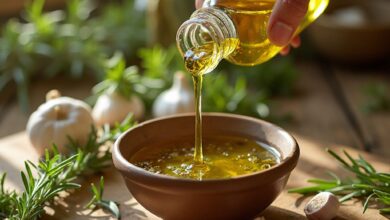
- The Binder: A good binder is crucial for the crust to stick. My favorites are high-quality olive oil (like a robust extra virgin olive oil), softened unsalted butter, or a smear of Dijon mustard. The mustard not only helps the crust adhere but also adds a wonderful tang that complements the herbs.
- Crust Application: Once your herbs (and any other spices) are finely chopped and mixed with your chosen binder, generously massage the mixture all over the roast. Don’t be shy! Press it firmly onto the surface.
- Roasting Temperatures: For a truly tender roast with a golden crust, I often recommend a two-stage approach: a high initial temperature (400-450°F / 200-230°C) for 15-20 minutes to get a beautiful sear and activate the crust, then reduce the heat (325-350°F / 160-175°C) for the remainder of the cooking time until your desired internal temperature is reached.
- The Essential Rest: This is non-negotiable! Once cooked, remove the roast from the oven, tent it loosely with foil, and let it rest for at least 15-30 minutes (longer for larger roasts). This allows the juices to redistribute, ensuring a tender, moist, and flavorful result.
Signature Herb-Crusted Beef Roast: A Step-by-Step Recipe
This recipe is designed to be adaptable. Feel free to swap out the beef for lamb or pork and adjust the herbs accordingly.
Ingredients:
- 1 (3-4 lb) boneless beef roast (such as sirloin, top round, or eye of round), trimmed
- 2 tablespoons Dijon mustard (or good quality olive oil/softened butter)
- 3 cloves garlic, minced very fine or pressed
- 2 tablespoons fresh rosemary, finely chopped (I love using fresh herbs from my garden or from a trusted source like Mountain Rose Herbs for their vibrant flavor)
- 1 tablespoon fresh thyme leaves, finely chopped
- 1 teaspoon fresh oregano, finely chopped (optional)
- 1 teaspoon lemon zest (from about 1/2 a lemon)
- 1 teaspoon sea salt (such as Celtic or Himalayan)
- 1/2 teaspoon freshly ground black pepper
- 2 tablespoons olive oil (for searing, optional)
Equipment:
- Roasting pan with a rack
- Meat thermometer
- Sharp carving knife
Instructions:
- Prep the Roast: Remove the beef roast from the refrigerator at least 1 hour before cooking to bring it closer to room temperature. Pat it thoroughly dry with paper towels.
- Make the Herb Crust: In a small bowl, combine the minced garlic, chopped rosemary, thyme, oregano (if using), lemon zest, salt, and pepper. If using dried herbs, opt for high-quality ones from brands like Frontier Co-op or Simply Organic, and use about half the amount of fresh.
- Apply the Binder & Crust: Spread the Dijon mustard (or olive oil/butter) evenly over all surfaces of the roast. Then, generously press the herb mixture onto the roast, ensuring it adheres well.
- Preheat Oven & Sear (Optional but Recommended): Preheat your oven to 400°F (200°C). For an even deeper crust and color, heat 2 tablespoons of olive oil in a large, oven-safe skillet over medium-high heat. Sear the roast for 2-3 minutes per side until beautifully browned.
- Roast: Transfer the seared roast (or the unseared roast if skipping that step) to a rack in a roasting pan. Roast for 15 minutes at 400°F (200°C).
- Reduce Heat & Continue Roasting: Reduce the oven temperature to 350°F (175°C). Continue roasting until a meat thermometer inserted into the thickest part of the roast (without touching bone) reaches your desired doneness:
- Rare: 125-130°F (52-54°C)
- Medium-Rare: 130-135°F (54-57°C)
- Medium: 135-140°F (57-60°C)
(Remember, the temperature will rise by 5-10 degrees during resting.) Cooking time will vary based on the size and shape of your roast, usually 15-20 minutes per pound for medium-rare.
- Rest the Roast: This is critical! Remove the roast from the oven, transfer it to a cutting board, and tent loosely with foil. Let it rest for at least 15-20 minutes before carving.
- Carve & Serve: Slice against the grain into desired thickness and serve immediately.
Storage Tips & Substitution Options
- Storage: Leftover roast can be stored in an airtight container in the refrigerator for 3-4 days. It’s delicious sliced cold for sandwiches or gently reheated.
- Repurposing: Leftovers make fantastic sandwiches, quesadillas, or even a quick stir-fry.
- Herb Substitutions: Experiment! Swap sage for rosemary, add a pinch of dried red pepper flakes for heat, or incorporate finely chopped chives for a delicate oniony note.
- Meat Substitutions: This crust works beautifully on pork loin, leg of lamb, or even a whole roasted chicken. Adjust cooking times accordingly.
Expert Insider Tips from Your Herbalist Chef
After years of perfecting roasts and playing with countless herb combinations, I’ve gathered a few secrets that truly elevate an herb-crusted dish from good to extraordinary:
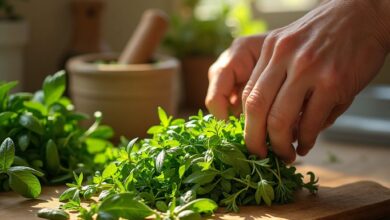
- The Mortar & Pestle Advantage: While a food processor works, a mortar and pestle truly unlocks the essential oils in fresh herbs and garlic. The slightly coarser, more rustic paste creates a more intense and aromatic crust that simply can’t be replicated by machine.
- Layer Your Salts: Don’t just use one kind of salt. Use fine sea salt in your herb mixture for even distribution, and then finish with a sprinkle of flaky sea salt (like Maldon) just before serving. The textural contrast and burst of salinity are divine.
- Aromatic Bed: Don’t let your roasting pan be empty! Place a bed of roughly chopped onions, carrots, celery, and extra herb sprigs (even a few lemon halves) beneath the rack in your roasting pan. Add a cup or two of water, wine, or broth. These aromatics will infuse the pan drippings, creating an incredible base for a gravy, and keep the roast moist.
- The “Pre-Crust” Seasoning: Before applying your herb crust, lightly season the meat with salt and pepper directly. This ensures the seasoning penetrates the meat itself, not just the surface. Then, apply your herb crust mixture.
- Don’t Fear the Fat: If your cut of meat has a fat cap, score it in a crosshatch pattern before applying the crust. This allows the fat to render beautifully, crisping up and basting the meat as it cooks, infusing it with even more flavor.
Health and Wellness Benefits of Your Herb-Crusted Delight
Beyond the incredible flavor, the herbs in your signature roast offer a wealth of natural health benefits, turning a delicious meal into a nourishing one.
- Rosemary: A powerful antioxidant and anti-inflammatory, rosemary is traditionally used to support memory and concentration. It also aids digestion and has antimicrobial properties.
- Thyme: Rich in antioxidants and known for its antimicrobial and antiseptic qualities, thyme is often used to support respiratory health and boost immunity.
- Garlic: A true superfood! Garlic is revered for its immune-boosting, anti-inflammatory, and cardiovascular benefits. It’s packed with beneficial sulfur compounds.
- Sage: Traditionally used to aid digestion and support cognitive function, sage also possesses antioxidant and anti-inflammatory compounds.