How to Make Herb-Infused Salt That Makes Every Single Dish Taste Better


Have you ever sprinkled a dash of what you thought was ordinary salt onto your morning avocado toast, only to be met with an explosion of unexpected, vibrant flavor that made your eyes widen in delight? That, my dear fellow food lovers, is the magic of herb-infused salt. It’s not just a seasoning; it’s a secret weapon, a flavor whisperer, transforming the mundane into the magnificent with a single pinch. Forget bland; we’re about to unlock a universe where every dish, from a simple grilled chicken breast to a complex roasted vegetable medley, sings with a depth of flavor you never thought possible.
The Ancient Art of Flavor Preservation
Salt, in its purest form, has been humanity’s most cherished seasoning and preservative for millennia. From ancient Roman soldiers receiving their “salarium” (salary in salt) to the Silk Road traders valuing salt as highly as gold, its importance is etched into our history. But beyond its fundamental role, cultures worldwide discovered early on that salt could be a magnificent canvas for other flavors. Imagine the sun-drenched Mediterranean coast, where cooks intuitively combined coarse sea salt with fragrant rosemary and thyme, not just to preserve, but to imbue their meats and vegetables with the very essence of their landscape. Or consider the delicate floral salts of Japan, used to finish pristine sushi, or the spicy, earthy salts of Mexico, an indispensable part of their vibrant cuisine. This isn’t a new fad; it’s a revival of an ancient, intuitive dance between salt and the botanical world, a practice that elevates everyday cooking into an art form.
Crafting Culinary Magic: Your Guide to Herb-Infused Salts
Making your own herb-infused salt is a journey into flavor customization, empowering you to create bespoke seasonings that perfectly match your palate and your menu. The beauty lies in its simplicity and the sheer endless possibilities. Let’s dive into the details.
Understanding Flavor Profiles and Best Pairings
The key to a truly exceptional herb-infused salt is understanding how different herbs interact with food and with each other. Here are some of my favorite combinations and their culinary applications:
- Rosemary & Garlic Salt: Earthy, piney rosemary meets pungent garlic. Perfect for roasted potatoes, grilled lamb, focaccia bread, or as a rub for poultry.
- Lemon & Thyme Salt: Bright, zesty lemon zest combined with the delicate, slightly floral notes of thyme. A revelation on roasted chicken, baked fish, green salads, or even sprinkled on fresh ricotta.
- Smoked Paprika & Oregano Salt: Warm, smoky paprika with the robust, slightly bitter notes of oregano. Ideal for chili, tacos, roasted vegetables, or as a rim for a Bloody Mary.
- Dill & Citrus Salt: Fresh, slightly anisy dill with the bright tang of lemon or orange zest. Fantastic for salmon, cucumber salads, deviled eggs, or cream cheese spreads.
- Sage & Black Pepper Salt: Earthy, slightly peppery sage with freshly cracked black pepper. A classic for pork dishes, butternut squash soup, or even a sprinkle on scrambled eggs.
- Spicy Chili & Cilantro Salt: Fiery chili flakes (like Aleppo or Urfa Biber) with the fresh, zesty notes of cilantro. A game-changer for tacos, grilled corn, avocado toast, or rimming a margarita glass.
The Foundation: Choosing Your Salt
While any salt can be infused, some are better suited for the task. I recommend:
- Coarse Sea Salt: My top choice. Its larger crystals provide excellent texture, absorb flavors beautifully, and are less prone to clumping than finer salts.
- Kosher Salt: Another great option, readily available, and its flaky texture is wonderful for infusion.
- Himalayan Pink Salt: Offers a beautiful aesthetic and subtle mineral notes, though it can be a bit harder to grind finely.
Avoid iodized table salt; its fine texture and additives don’t lend themselves well to herb infusion.
Step-by-Step Recipe: Making Your Herb-Infused Salt
This method works beautifully for both fresh and dried herbs, with a crucial step for the fresh variety.
Method 1: Using Fresh Herbs (The Aromatic Powerhouse)
This method yields the most vibrant, intense flavor, but requires a bit of prep to prevent spoilage.
- Gather Your Herbs: For every 1/2 cup of coarse salt, you’ll want about 1/4 to 1/2 cup of fresh, packed herb leaves (e.g., rosemary sprigs, thyme leaves, sage leaves, dill fronds, parsley). Ensure they are clean and dry. For citrus zest, use the zest of 1-2 organic lemons or oranges.
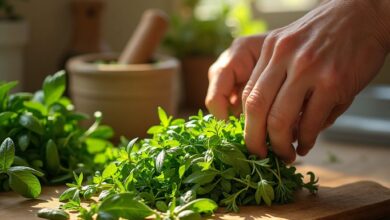
- Rough Chop: Finely chop your fresh herbs. For rosemary or sage, you might want to mince them quite small.
- Pre-Dry (Crucial Step!): Spread the chopped herbs and citrus zest (if using) thinly on a baking sheet lined with parchment paper. Place in a very low oven (around 150-200°F / 65-95°C) for 30-60 minutes, or until completely dry and brittle. You can also use a food dehydrator or simply air-dry them for 1-2 days in a dry, airy spot. This step prevents moisture from spoiling your salt.
- Combine & Grind: Once the herbs are completely dry, combine them with your coarse salt in a food processor or a mortar and pestle.
- Pulse or Grind: If using a food processor, pulse until the herbs are finely dispersed and the salt has taken on a lovely color and aroma. Be careful not to over-process into a powder unless that’s your desired texture. If using a mortar and pestle, grind until well combined and fragrant.
- Spread & Dry (Again): Spread the infused salt back onto a parchment-lined baking sheet. Let it air dry for another 12-24 hours to ensure any residual moisture has evaporated. This is a crucial step for long-term storage.
- Store: Transfer the completely dry herb-infused salt to airtight jars.
Method 2: Using Dried Herbs (The Convenient Classic)
This method is quicker and perfect for those who rely on a well-stocked pantry. I often turn to high-quality dried herbs from brands like Frontier Co-op or Mountain Rose Herbs for this.
- Measure Your Ingredients: For every 1/2 cup of coarse salt, use 1-2 tablespoons of dried herbs. Adjust to your taste.
- Prepare Herbs: If your dried herbs are whole or very coarse, gently crush them with your fingers or a mortar and pestle to release their oils. For an extra layer of flavor, you can lightly toast them in a dry pan for a minute or two until fragrant before crushing.
- Combine & Grind: In a food processor or mortar and pestle, combine the salt and dried herbs.
- Pulse or Grind: Process until the herbs are evenly distributed and the salt is beautifully infused.
- Store: Transfer immediately to airtight jars.
Storage Tips for Longevity
Once your herb-infused salt is made, proper storage is key to maintaining its potency and preventing spoilage:
- Airtight Containers: Always store in airtight jars or containers away from direct sunlight and heat.
- Cool, Dry Place: A pantry or cupboard is ideal. Avoid storing near the stove where steam and heat can introduce moisture.
- Shelf Life: If properly dried and stored, your herb-infused salts can last for 6 months to a year, though their flavor will be most vibrant in the first few months.
Substitution Options for Herbs
Don’t have fresh rosemary? Dried will work! Can’t find dill? Parsley and a tiny pinch of fennel seed can offer a similar fresh, anisy note. The beauty of herb salts is their adaptability. Feel free to experiment with any culinary herb you love. Just remember the crucial drying step for fresh herbs.
Expert Insider Tips from My Kitchen to Yours
- The Mortar and Pestle Advantage: While a food processor is convenient, a good old-fashioned mortar and pestle (like a heavy granite one) truly excels at extracting the essential oils from herbs and bonding them with the salt crystals. The friction releases deeper, more nuanced flavors that a blade sometimes misses.
- Layer Your Flavors: Don’t limit yourself to one herb! Think in layers. A base of earthy rosemary, brightened with lemon zest, and given a gentle kick with a pinch of red pepper flakes creates a complex and incredibly versatile seasoning.
- “Cure” for Deeper Flavor: After making your salt, resist the urge to use it immediately. Let it sit in its airtight jar for at least 3-5 days. This “curing” period allows the flavors to meld and deepen, resulting in a more harmonious and potent blend.
- Toast Dried Herbs: If using dried herbs (especially whole leaf varieties like oregano or thyme), lightly toast them in a dry skillet over medium-low heat for 30 seconds to a minute until fragrant. This awakens their essential oils and intensifies their flavor before grinding into your salt.
- Consider Finishing Salts: Some herb-infused salts are best used as “finishing salts” – sprinkled on food just before serving to add a final burst of flavor and a touch of gourmet elegance. Think flaky sea salt infused with delicate lavender or fennel pollen for desserts or fresh salads.
Health and Wellness Benefits: Flavor with Purpose
While salt itself is essential in moderation, the true wellness benefits of herb-infused salts come from the herbs themselves. By incorporating more herbs into your diet, even in this subtle way, you’re boosting your intake of natural compounds that support your health:
- Antioxidant Power: Many culinary herbs like rosemary, thyme, oregano, and sage are packed with antioxidants, which help combat oxidative stress in the body.
- Digestive Support: Herbs like dill, fennel, and mint can aid digestion and soothe the stomach.
- Anti-inflammatory Properties: Compounds found in herbs such as turmeric (which can also be infused into salt!) and rosemary have shown anti-inflammatory effects.
- Reduced Sodium Intake (Potentially): By making your food taste more flavorful with herbs, you might find yourself needing less overall salt to achieve satisfaction, subtly reducing your sodium intake without sacrificing taste.
Using high-quality organic herbs, whether fresh from your garden (perhaps grown from Burpee Seeds) or dried from trusted suppliers like Simply Organic, ensures you’re getting the purest benefits.
Common Mistakes to Avoid
Even with such a simple process, a few pitfalls can hinder your herb salt success:
- Using Wet Herbs: This is the number one mistake! Any moisture will lead to clumping, mold, and spoilage. Always ensure fresh herbs are thoroughly dried, either air-dried, dehydrated, or oven-dried, before mixing with salt.
- Not Enough Salt: While you want a good herb-to-salt ratio, too few herbs will result in a weak flavor. Don’t be shy, especially with potent herbs.
- Forgetting to “Cure”: Skipping the curing step means you’re missing out on the full flavor potential. Patience truly is a virtue here.
- Using Old, Stale Herbs: The quality of your herbs directly impacts the quality of your salt. Use fresh, vibrant herbs or recently purchased, aromatic dried herbs.
- Improper Storage: Exposing your infused salt to humidity or light will degrade its flavor and potentially lead to spoilage.
Safety and Precautions
Herb-infused salts are generally very safe for most people, as they use common culinary herbs in small quantities. However, a few considerations are always wise:
- Moderation: Remember, it’s still salt. While delicious, consume in moderation as part of a balanced diet.
- Herb Allergies: If you have known allergies to specific herbs, avoid infusing your salt with them.
- Pregnancy/Medication Interactions: While unlikely with culinary amounts, if you have specific health conditions, are pregnant, or on medications, and are concerned about a particular herb, consult with a healthcare professional or a qualified herbalist. This is especially true if you plan to consume large quantities of a less common herb.
- Quality Control: Always source your herbs from reputable suppliers or grow them yourself to ensure they are free from pesticides or contaminants.
Elevate Your Everyday
There you have it, my friends – the secret to transforming every single dish you make into a culinary masterpiece. Herb-infused salts are more than just a