
The Complete Guide to Growing Herbs on a Rooftop or Terrace Garden

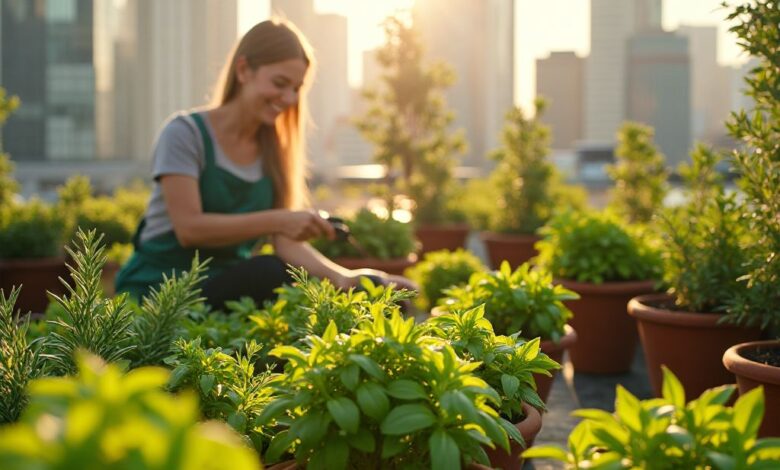
The Complete Guide to Growing Herbs on a Rooftop or Terrace Garden
Imagine this: You step onto your urban oasis, the city hum a distant whisper, replaced by the gentle rustle of leaves. You reach out, pluck a vibrant green basil leaf, and crush it between your fingers. The aroma explodes – sweet, peppery, a hint of clove – instantly transporting you to sun-drenched Mediterranean hillsides. It’s a scent so pure, so alive, it makes store-bought herbs seem like a pale imitation. This isn’t a fantasy from a far-off villa; this is the magic you can cultivate right on your rooftop or terrace, transforming concrete into a living, breathing pantry.
From Ancient Gardens to Urban Sanctuaries: The Enduring Allure of Herbs
The story of herbs is as old as humanity itself. From the meticulously planned gardens of ancient Egypt, where mint and marjoram were cultivated for medicines and rituals, to the fragrant Roman courtyards brimming with rosemary and thyme used in feasts and perfumes, herbs have always been intertwined with our lives. Across continents, indigenous cultures revered plants not just for sustenance, but for their profound healing properties and spiritual significance. In medieval Europe, monastery gardens were vital centers for herbal medicine, preserving knowledge through centuries. Today, whether it’s the fiery kick of chili in a Thai curry, the soothing embrace of chamomile tea in a Japanese tea ceremony, or the vibrant burst of cilantro in a Mexican salsa, herbs connect us to our heritage, to nature, and to the very essence of flavor and well-being.
And now, in our increasingly urbanized world, the desire to reconnect with these ancient traditions is stronger than ever. Growing your own herbs isn’t just a hobby; it’s a quiet revolution. It’s about reclaiming a piece of the earth, no matter how small, and infusing your life with fresh flavors, natural remedies, and the undeniable joy of watching something grow. On a rooftop or terrace, this endeavor takes on an even more special meaning, turning overlooked urban spaces into productive, beautiful, and deeply personal havens.
Cultivating Your Concrete Jungle: A Deep Dive into Rooftop Herb Gardening
Your rooftop or terrace offers a unique environment, often blessed with abundant sunlight but also exposed to wind and temperature extremes. Understanding these factors is key to creating a thriving herb garden.
Choosing Your Green Companions: Best Herbs for High-Rise Havens
- Basil: The king of pesto, basil loves warmth and sunshine. Varieties like ‘Genovese’ or ‘Sweet Basil’ are classic choices.
- Mint: A vigorous grower, mint (peppermint, spearmint, chocolate mint!) thrives in containers. Just be warned: it’s a spreader, so keep it contained!
- Rosemary: Woody and aromatic, rosemary tolerates drier conditions once established and loves full sun.
- Thyme & Oregano: These Mediterranean beauties are drought-tolerant and flourish in hot, sunny spots with excellent drainage.
- Chives: Easy to grow from seed or bulb, chives offer a mild oniony flavor and attractive purple flowers.
- Lavender: Not just for beauty, culinary lavender can be used in baking and teas. It loves sun and well-drained soil.
- Sage: Beautiful grey-green leaves with an earthy, slightly peppery flavor. Great for savory dishes.
- Cilantro & Parsley: These can be a bit trickier in intense heat (they tend to ‘bolt’ or go to seed quickly), but with some partial shade during the hottest part of the day, they are incredibly rewarding.
The Foundation: Soil Requirements
For container gardening, a high-quality potting mix is non-negotiable. It provides the necessary drainage, aeration, and nutrient retention that garden soil often lacks. Look for mixes specifically designed for containers. I often recommend a good organic potting mix. You can enhance it by mixing in some compost for added nutrients and microbial life, giving your herbs a fantastic start. Remember, good drainage is paramount – soggy roots are a death sentence for most herbs.
Sunlight: Your Rooftop’s Greatest Asset (and Challenge)
Most culinary herbs are sun-worshippers, craving at least 6 hours of direct sunlight per day. Rooftops often provide this in spades, which is fantastic! However, intense afternoon sun can be too much for some herbs, especially in hot climates. Observe your space: where does the sun hit strongest, and for how long? You might need to strategically place taller plants or shade cloths (like those from a local garden supply store) to protect more delicate herbs like cilantro and parsley during peak heat.
The Art of Hydration: Watering Schedules
Container plants dry out much faster than those in the ground. On a sunny, windy rooftop, this effect is amplified. You’ll likely need to water daily, especially during hot spells. Stick your finger an inch or two into the soil; if it feels dry, it’s time to water. Water deeply until you see water draining from the bottom of the pot. Consider investing in self-watering planters or a drip irrigation system for convenience, especially if you’re growing many plants or traveling. Remember, consistency is key!
Container Choices: Style Meets Function
The right container is crucial. Terracotta pots are beautiful and allow roots to breathe, but they dry out quickly. Plastic pots retain moisture better. Fabric grow bags, like those found at local garden centers, are fantastic for aeration and preventing root circling. Choose pots with ample drainage holes – if they don’t have them, drill some! Size matters too: bigger pots mean more soil, which retains moisture longer and provides more room for root growth. A good rule of thumb is to start with a pot that’s at least 6-8 inches in diameter for smaller herbs, and larger for woody herbs like rosemary.
Harvesting for Abundance: The Art of the Snip
Don’t be shy! Regular harvesting encourages your herbs to produce more foliage, rather than going to seed. For basil, mint, and oregano, pinch off the top sets of leaves just above a node (where leaves branch off). This promotes bushier growth. For chives, snip leaves from the outside of the clump. For rosemary and thyme, you can prune branches as needed. Always use clean, sharp scissors or pruners to avoid damaging the plant.
Keeping Pests at Bay Naturally
Even on a rooftop, pests can find their way. Common culprits include aphids, spider mites, and whiteflies.
- Manual Removal: For small infestations, simply pick them off or blast them with a strong stream of water.
- Neem Oil: A fantastic organic solution. Mix according to package directions (I often use a brand like Simply Organic for my culinary spices, but for garden care, look for specific garden-grade neem oil) and spray plants thoroughly, especially the undersides of leaves.
- Soapy Water: A mild solution of dish soap and water can deter soft-bodied pests.
- Companion Planting: Marigolds can deter some pests, and strong-smelling herbs like mint and rosemary can confuse others.
Propagation: Expanding Your Herb Empire
Want more herbs for free? Propagation is your friend!
- Seeds: Many herbs, like basil, cilantro, and parsley, are easily started from seed. Brands like Burpee Seeds offer a wide selection of organic herb seeds. Follow packet instructions for depth and spacing.
- Cuttings: Woody herbs like rosemary, sage, and mint are perfect for cuttings. Snip a 4-6 inch piece, remove the bottom leaves, and place it in water or moist potting mix. Roots will typically form within a few weeks.
- Division: Clumping herbs like chives and mint can be divided. Simply dig up the plant, gently separate the root ball into smaller sections, and replant.
Expert Insider Tips from the Herbalist’s Rooftop
- Wind Management is Crucial: Rooftops are often windy. Group pots together to create microclimates and shelter, use heavy containers that won’t tip, or consider a small, sturdy trellis or windbreak to protect delicate plants.
- Strategic Watering for Peak Sun: Instead of watering midday when evaporation is highest, water in the early morning or late evening. This allows the roots to absorb moisture before the sun gets intense, preventing stress and conserving water.
- Succession Planting for Continuous Harvest: For annuals like basil and cilantro, sow small batches of seeds every 2-3 weeks. This ensures a continuous supply throughout the growing season, preventing a glut followed by a gap.
- Embrace Verticality: Maximize your space with vertical planters, wall-mounted herb pockets, or tiered shelving. This not only looks fantastic but also allows you to grow more in a smaller footprint.
- Fertilize Thoughtfully: Herbs generally don’t need a lot of fertilizer. A diluted liquid organic feed (like a fish emulsion or seaweed extract) every 2-4 weeks during the growing season is usually sufficient. Over-fertilizing can lead to lush, leafy growth but less intense flavor. Products like Miracle-Gro offer organic options that can work well, but always dilute as directed.
The Green-Thumb Glow: Health and Wellness Benefits
Beyond the undeniable culinary advantages, a rooftop herb garden is a powerhouse of wellness. The act of gardening itself is a meditative practice, reducing stress and fostering a sense of calm. Spending time outdoors, even on a city rooftop, boosts vitamin D levels and reconnects us with the natural world. And then there are the herbs themselves! Fresh herbs are packed with vitamins, minerals, and antioxidants. Imagine brewing a soothing mug of mint tea from leaves you just picked, or adding a vibrant sprinkle of freshly snipped chives to your morning eggs. This direct access to nutrient-dense, chemical-free ingredients supports a healthier diet and lifestyle. From the anti-inflammatory properties of rosemary to the digestive aid of mint, your rooftop garden becomes a living pharmacy.
Common Mistakes to Avoid on Your Urban Farm
- Underestimating Sun Exposure: While most herbs love sun, intense, unfiltered rooftop sun can scorch some varieties. Observe and adjust placement.
- Using Garden Soil in Containers: Dense garden soil compacts in pots, leading to poor drainage and root rot. Always use a quality potting mix.
- Too-Small Containers: Restricting root growth leads to stunted plants and frequent watering. Give your herbs room to grow!
- Ignoring Drainage: No drainage holes means waterlogged roots and dead plants. Ensure every pot has adequate drainage.
- Not Harvesting Regularly: This is perhaps the most common mistake! Regular harvesting keeps plants productive and flavorful.
- Over-Fertilizing: While some nutrients are good, too much fertilizer can dilute the flavor of your herbs and make them leggy.
Safety and Precautions for the Urban Gardener
While gardening is generally a safe and enjoyable activity, a rooftop or terrace environment has specific considerations.
- Weight Limits: Be mindful of the weight capacity of your roof or terrace. Soil, water, and containers can become very heavy. Distribute weight evenly and consult with a structural engineer if you have concerns.
- Sun Protection: You’re exposed up there! Wear a hat, sunscreen, and protective clothing, especially during peak sun hours.
- Wind Safety: Secure all containers and structures to prevent them from blowing over and causing damage or injury.
- Lifting Heavy Objects: Use proper lifting techniques when moving heavy bags of soil or large pots to prevent back injury.
- Plant Identification: If foraging or planting unknown seeds, always be 100% sure of a plant’s identity before consuming it. While this guide focuses on common culinary herbs, general plant safety is always paramount.
Your Rooftop Awaits: Cultivate Flavor, Cultivate Joy!
The journey of growing herbs on your rooftop or terrace is more than just a gardening project; it’s an invitation to a richer, more flavorful, and more connected life. It’s about slowing down, getting your hands dirty, and marveling at the simple miracle of growth. From the first tiny sprout you nurture from a Burpee Seeds packet to the aromatic bounty you harvest, each moment is a testament to the power of nature and your own ingenuity. So, I urge you: don’t let a lack of yard space deter you. Look up! Your rooftop or terrace is a blank canvas, ready to be transformed into a vibrant, fragrant haven. Grab a bag of good potting mix, choose a few of your