The Best Containers and Pots for Growing Herbs on a Small Budget


Unearthing Joy: The Best Budget-Friendly Containers for Your Herb Garden Dreams
Imagine this: a whisper of fresh basil, its sweet, peppery aroma filling your kitchen as you pluck a few leaves for tonight’s pasta. Or perhaps the bright, citrusy scent of lemon balm, ready to steep into a soothing evening tea. The sheer delight of having these vibrant flavors and fragrances at your fingertips, grown by your own hand, is a simple luxury many believe requires a significant investment. But what if I told you that the most charming and effective herb containers might already be hiding in your recycling bin, or waiting patiently at your local thrift store?
For years, I’ve guided countless aspiring green thumbs, from bustling city dwellers to serene suburbanites, in cultivating their own aromatic havens. And the most common misconception I encounter is the belief that you need expensive terracotta pots or fancy raised beds to begin. Today, we’re going to shatter that myth and dive deep into the wonderfully resourceful world of budget-friendly herb gardening, proving that a thriving herbal oasis is truly within everyone’s reach, regardless of their budget.
From Humble Beginnings: The Enduring Charm of Homegrown Herbs
The act of growing herbs, even on a small scale, connects us to an ancient lineage of cultivators. For millennia, cultures across the globe have revered herbs not just for their medicinal properties but for their ability to transform a simple meal into a feast, or a plain drink into a comforting elixir. From the Hanging Gardens of Babylon, rumored to be lush with fragrant herbs, to the medieval monastery gardens where monks carefully tended plants for healing and culinary use, herbs have always been integral to human life. The very word “herb” derives from the Latin “herba,” meaning grass or plant, underscoring their fundamental role.
In our modern, often fast-paced world, this connection to the earth and its bounty has become more vital than ever. Growing your own herbs offers a quiet rebellion against mass production, a joyful return to self-sufficiency, and a tangible way to infuse your daily life with freshness and vitality. It’s an accessible entry point into sustainable living, a gentle nudge towards mindfulness, and an endless source of fresh, organic flavor. And the best part? It doesn’t have to cost a fortune. The shift towards urban gardening and apartment living has only amplified the need for creative, cost-effective container solutions, making the humble, repurposed pot a hero in its own right.
Cultivating Your Green Oasis: Smart Containers for Savvy Gardeners
When it comes to nurturing your favorite herbs, the container is more than just a vessel; it’s their home. And a good home, even a budget-friendly one, needs to meet a few essential criteria: adequate size for root growth, proper drainage, and stability. Let’s explore some fantastic, wallet-friendly options that don’t compromise on quality or charm.
Repurposed Household Items: Your Treasure Trove
-
Plastic Milk Jugs & Water Bottles: These are incredibly versatile. Cut them in half horizontally or vertically, poke drainage holes in the bottom with a hot nail or drill, and you have instant pots. The opaque plastic of milk jugs can also help protect roots from direct sunlight.
-
Tin Cans: From coffee cans to large tomato sauce cans, these are perfect for single herb plants like basil, cilantro, or mint. Just be sure to drill several drainage holes in the bottom and consider painting them to prevent rust and add a touch of style. They look especially charming grouped together on a windowsill.
-
Laundry Baskets & Storage Totes: Larger plastic storage bins or even old laundry baskets (the sturdy kind) can become fantastic mini herb gardens. Line them with landscaping fabric or an old permeable sheet if the holes are too large, then fill with soil. These are ideal for spreading herbs like mint or lemon balm, or for a collection of smaller herbs.
-
Old Colanders & Strainers: The built-in drainage is a dream! These are perfect for herbs that like well-drained soil, like rosemary or thyme. Just line with a coffee filter or newspaper to keep the soil from washing out too quickly.
-
Plastic Produce Clamshells: The clear plastic containers from berries or salad greens make excellent mini greenhouses for starting seeds. Once seedlings are established, transplant them to larger budget containers.
Thrift Store Finds & Dollar Store Delights
-
Ceramic Mugs & Bowls: Often found for pennies, these can be adorable homes for small herbs like chives or oregano. You’ll need to drill a drainage hole (a diamond-tip drill bit works wonders, but take care!) or use the “false bottom” method with a layer of gravel and careful watering.
-
Enamelware Pots & Pans: Vintage enamelware adds a rustic charm. Ensure they are free of deep rust that could contaminate soil, and drill drainage holes. These are surprisingly durable and beautiful.
-
Plastic Buckets & Bins: Utility buckets, often available at dollar stores or hardware stores for a few dollars, are sturdy and spacious. Drill plenty of drainage holes. These are excellent for larger herb plants like dill, parsley, or even a small bay laurel.
DIY & Upcycled Wood Projects
-
Pallet Planters: If you’re handy, reclaimed wooden pallets can be transformed into vertical planters or raised beds for a truly expansive herb garden. Sand them down and ensure they haven’t been treated with harmful chemicals (look for “HT” for heat-treated, avoid “MB” for methyl bromide).
-
Wooden Crates: Old wine crates or fruit crates can be lined with landscaping fabric and filled with soil for a charming, rustic herb box. They provide good drainage and aeration.
Soil Requirements & Nourishment on a Budget
Regardless of your container choice, healthy soil is paramount. For container gardening, a good quality potting mix is essential as garden soil can become compacted. You don’t have to break the bank for soil. Look for sales on brands like Miracle-Gro Potting Mix or store-brand alternatives. To stretch your budget and improve drainage, consider mixing in some perlite or vermiculite, often found in bulk at garden centers, or even thoroughly rinsed sand. For an organic boost, homemade compost is king, but if you don’t have a compost pile, a small bag of organic compost or worm castings can go a long way.
Sunlight, Watering, and Harvesting
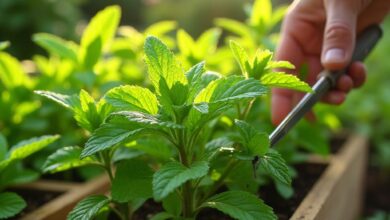
Most culinary herbs, like basil, thyme, rosemary, oregano, and chives, thrive in at least 6 hours of direct sunlight per day. Place your budget containers in the sunniest spot available – a windowsill, balcony, or patio. Container herbs dry out faster than those in the ground, so check the soil moisture daily by sticking your finger an inch or two deep. Water when the top inch feels dry, allowing water to drain out the bottom. When harvesting, use sharp scissors or pruners, taking no more than a third of the plant at a time to encourage bushier growth. Regular harvesting is key to a productive herb plant!
Expert Insider Tips for the Resourceful Herb Gardener
-
The “Double Pot” Drainage Hack: For those beautiful thrift store mugs or bowls without drainage holes, place a smaller, inexpensive plastic pot (with holes) inside the decorative one. This allows for drainage into the outer container, which you can periodically empty. It’s a lifesaver for tricky containers!
-
DIY Soil Amendments: Save your coffee grounds and tea leaves! They’re excellent, free sources of nitrogen and organic matter for your soil. Just sprinkle them around the base of your herbs and lightly scratch them into the topsoil. Eggshells, crushed finely, provide calcium and can deter slugs.
-
Vertical Gardening with Repurposed Materials: Don’t have much horizontal space? Stack old tires (ensure they’re clean and safe), use an old shoe organizer hanging on a wall, or create a vertical “pocket” garden from an old canvas bag or even plastic bottles wired together. This maximizes your growing area without costing a dime.
-
Propagate for Free: Many herbs, like mint, basil, rosemary, and oregano, are incredibly easy to propagate from cuttings. Simply snip a 4-6 inch stem, remove the lower leaves, and place it in a glass of water. Once roots appear, plant it in your budget container. This endlessly multiplies your herb collection without buying new plants or seeds.
-
Seed Starting on a Dime: Instead of buying expensive seed-starting kits, use egg cartons, toilet paper rolls, or the bottom halves of plastic soda bottles. These are perfect for getting your Burpee Seeds or heirloom varieties from Mountain Rose Herbs started indoors before transplanting.
Beyond the Flavor: The Health & Wellness Benefits of Your Herb Garden
The beauty of growing your own herbs extends far beyond the kitchen. The very act of gardening is a powerful wellness practice. Studies show that spending time tending to plants can reduce stress, improve mood, and even boost cognitive function. There’s a profound satisfaction in nurturing life, a quiet joy in watching a tiny seed transform into a vibrant plant.
And then there are the herbs themselves! Fresh herbs are packed with vitamins, minerals, and antioxidants. A sprinkle of fresh parsley provides vitamin K and C, while rosemary offers powerful anti-inflammatory compounds. Incorporating fresh herbs into your diet, whether it’s a vibrant pesto made with homegrown basil or a calming tea brewed from your own lemon balm, is a simple yet effective way to enhance your overall well-being. It’s a holistic approach to health, connecting mind, body, and earth.
Common Mistakes to Sidestep on Your Budget Gardening Journey
Even with the best intentions, beginners can sometimes stumble. Here are a few common pitfalls to avoid:
-
Lack of Drainage: This is the number one killer of container herbs. Without proper drainage holes, roots sit in stagnant water, leading to rot. Always ensure your chosen container has sufficient holes.
-
Too Small a Container: While budget containers are great, ensure they are appropriately sized for the herb. A tiny pot will stunt a vigorous basil plant. Consider the herb’s mature size.
-
Using Garden Soil: Garden soil is too heavy and compacts easily in containers, stifling root growth and drainage. Always opt for a good quality potting mix, even a budget-friendly one, or amend garden soil heavily with perlite and compost.
-
Forgetting to Clean Repurposed Items: Always thoroughly wash and scrub any repurposed container, especially if it held food or chemicals, to prevent disease or contamination.
-
Overwatering (or Underwatering): Container herbs need consistent moisture. Check the soil regularly. Don’t let it dry out completely, but also don’t let it sit in soggy conditions.
Safety First: Growing Your Herbs Responsibly
While growing culinary herbs is generally a safe and joyful endeavor, a few precautions are always wise. When repurposing containers, avoid anything that previously held harsh chemicals, pesticides, or motor oils, as these residues can leach into your soil and be absorbed by your plants. Stick to food-grade plastics, metals, or untreated wood. Always wear gloves when handling soil, especially if you have cuts or scrapes, to prevent potential infections. If you’re using power tools to drill drainage holes, exercise extreme caution and wear appropriate safety gear. And while most culinary herbs are safe for consumption, always be 100% certain of an herb’s identity before consuming it, especially if you’re foraging or using seeds from unknown sources.
Your Herb Garden Awaits!
There’s a profound magic in transforming humble, everyday items into thriving homes for your favorite herbs. It’s a testament to ingenuity, sustainability, and the simple, enduring power of nature. The journey of growing your own herbs, from a tiny seed from Burpee Seeds or Frontier Co-op to a fragrant, flourishing plant, is incredibly rewarding, both for your palate and your peace of mind.
So, I invite you, dear reader