The Complete Guide to Growing Herbs in Tropical and Hot Climates

The Complete Guide to Growing Herbs in Tropical and Hot Climates
Imagine stepping into your garden, the air thick with the intoxicating perfume of fresh basil, its peppery sweetness mingling with the bright, citrusy notes of lemongrass. You reach for a vibrant sprig, the leaves warm from the sun, and already your culinary imagination takes flight. But what if you live in a climate where the sun beats down relentlessly, and the humidity hangs heavy in the air? Many believe that growing lush herbs is a challenge reserved for temperate zones. I’m here to tell you that this couldn’t be further from the truth! In fact, some of the world’s most aromatic and potent herbs absolutely revel in the heat, offering a bounty of flavor and wellness right at your fingertips.
Background: The Sun-Kissed Roots of Flavor
For millennia, civilizations thriving in tropical and subtropical regions have cultivated and cherished herbs, integrating them deeply into their cuisine, medicine, and spiritual practices. From the ancient Ayurvedic traditions of India, where Holy Basil (Tulsi) is revered as a sacred plant, to the vibrant culinary landscapes of Southeast Asia, where lemongrass and cilantro are foundational, these sun-loving botanicals have shaped cultures. The very intensity of the sun and the generous rainfall in these climates often concentrate the essential oils in herbs, leading to more robust flavors and potent medicinal properties. Understanding the unique demands and gifts of a hot climate isn’t just about growing plants; it’s about connecting to a rich, global heritage of herbal wisdom and harnessing nature’s power in your own backyard.
Main Content: Nurturing Your Herbal Oasis in the Heat
Growing herbs in tropical and hot climates presents its own set of considerations, but with the right approach, your garden can flourish. Let’s dig into the essentials.
Soil Requirements: The Foundation of Flavor
The secret to thriving herbs in hot climates often begins beneath the surface. Herbs, especially those that love the sun, generally prefer well-draining soil that’s rich in organic matter. Heavy, waterlogged soil is a death sentence in humid conditions, as it can lead to root rot. Aim for a slightly acidic to neutral pH (6.0-7.0) for most culinary herbs.
To achieve this, I recommend amending your soil generously with good quality compost. If your native soil is clay-heavy, incorporate perlite or coarse sand to improve drainage. For container gardening, a high-quality potting mix is crucial. I often reach for Miracle-Gro Organic Potting Mix as a base, then further enhance it with extra perlite and a bit of worm castings for that added nutrient boost. Good drainage is non-negotiable!
Sunlight Needs: The Tropical Dance of Light and Shade
While many herbs are labeled “full sun” plants, “full sun” in the tropics is a different beast entirely. The intense midday sun can scorch delicate leaves, especially during the hottest months. The key is balance.
- Morning Sun, Afternoon Shade: This is the golden rule for most herbs in hot climates. They benefit from the gentler morning rays, and then appreciate protection from the harsh afternoon sun.
- Observe Your Plants: Watch for signs of stress – wilting, yellowing, or browning leaves can indicate too much direct sun.
- Specifics: Herbs like Basil, Rosemary, and Oregano can generally handle more sun, but still benefit from some afternoon relief. Cilantro, Mint, and Parsley are more prone to bolting (going to seed) and scorching in intense heat, so they absolutely thrive with more dappled shade, especially in the afternoon.
Watering Schedule: Hydration in the Heat
Watering correctly is paramount. In hot, humid climates, herbs need consistent moisture but absolutely despise sitting in soggy soil. It’s a fine line to walk!
- Frequency vs. Volume: You’ll likely need to water more frequently than in cooler climates, but ensure the water drains away freely.
- Morning is Best: Water deeply in the early morning. This allows the plants to absorb moisture before the heat of the day, and the leaves have time to dry, reducing the risk of fungal diseases.
- The Finger Test: Stick your finger about an inch or two into the soil. If it feels dry, it’s time to water.
- Mulch, Mulch, Mulch: A layer of organic mulch (like straw, wood chips, or shredded leaves) around your herbs helps retain soil moisture, regulate soil temperature, and suppress weeds.
Container vs. Ground Growing: Choosing Your Herbal Home
Both methods have their merits in hot climates.
- Container Growing:
- Pros: Mobility! You can easily move pots to provide afternoon shade, protect from heavy downpours, or bring indoors during extreme weather. Excellent for controlling soil composition and drainage. Ideal for herbs that can become invasive, like mint.
- Cons: Dries out faster, requiring more frequent watering.
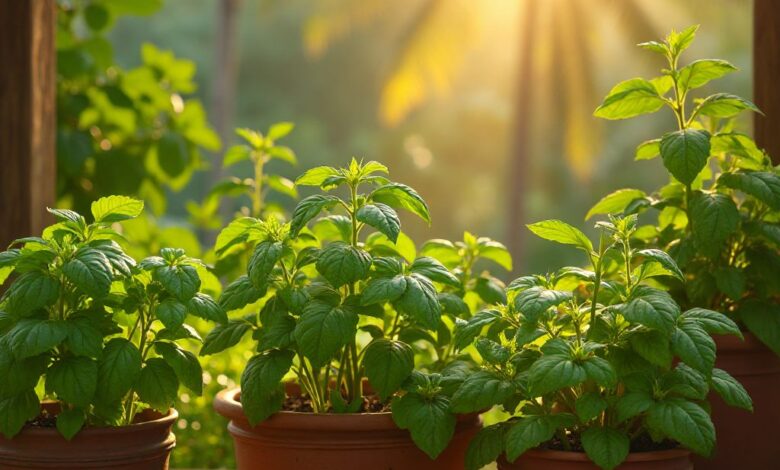
- Tip: Choose terracotta pots for good breathability, but remember they dry out even faster. Ensure pots have ample drainage holes.
- Ground Growing:
- Pros: More stable soil temperatures and moisture levels once established. Allows for larger, more robust plants.
- Cons: Less control over sun exposure and soil conditions. Pests can be harder to manage.
Harvesting Techniques: The Art of Abundance
Regular harvesting isn’t just about getting fresh herbs; it’s essential for encouraging bushier growth and preventing your plants from bolting. Think of it as a gentle pruning.
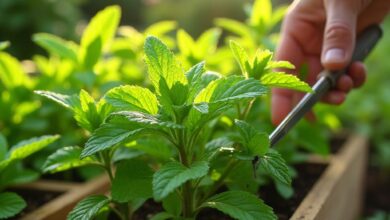
- Pinch Back Regularly: For herbs like basil, mint, and oregano, pinch off the top sets of leaves and stems just above a leaf node. This encourages the plant to branch out, rather than growing tall and leggy.
- The Rule of Thirds: Never harvest more than one-third of the plant at a time. This allows it to recover and continue growing vigorously.
- Before Flowering: For most culinary herbs, the flavor is best before the plant flowers. Once flowers appear, the plant puts its energy into seed production, and the leaves can become bitter.
- Lemongrass: Harvest outer stalks by pulling or cutting them at the base.
- Ginger & Turmeric: Harvest rhizomes (underground stems) by gently digging up a portion of the plant.
Pest Control: Keeping Critters at Bay
Warm, humid conditions can be a breeding ground for pests. Vigilance is your best defense.
- Common Tropical Pests: Watch out for spider mites, aphids, whiteflies, and mealybugs.
- Organic Solutions:
- Neem Oil: A fantastic natural pesticide and fungicide. I keep a bottle of Mountain Rose Herbs’ organic neem oil on hand.
- Insecticidal Soap: A simple solution of mild soap and water can deter many soft-bodied pests.
- Strong Water Spray: A strong jet of water can dislodge aphids and mites.
- Companion Planting: Marigolds can deter nematodes, while nasturtiums can act as a trap crop for aphids.
- Beneficial Insects: Encourage ladybugs, lacewings, and other beneficial insects by planting flowering herbs and leaving a small patch of “wild” area in your garden.
Propagation Methods: Expanding Your Herbal Empire
Once you have thriving herbs, you’ll want more! Propagation is easy and rewarding.
- Seeds: Many herbs, like basil, cilantro, and dill, are easily grown from seed. Look for high-quality, organic seeds from reputable sources like Burpee Seeds.
- Cuttings: A fantastic way to multiply herbs like mint, basil, rosemary, and oregano. Simply snip a 4-6 inch stem, remove the lower leaves, and place it in water or moist potting mix. Roots will often form within a few weeks.
- Division: For clumping herbs like lemongrass, ginger, turmeric, and chives, simply dig up the plant and divide the root ball into smaller sections, each with roots and shoots.
Expert Insider Tips for Hot Climate Herb Growers
- Embrace the “Hot” Herbs: While you can adapt many herbs, focus on those that naturally thrive in heat. Think Holy Basil (Tulsi), Lemongrass, Mexican Oregano, Thai Basil, Curry Leaf, and tropical gingers and turmeric. These are your superstars!
- Strategic Shading: Don’t just rely on moving pots. Consider installing shade cloth (30-50% shade) over garden beds during the hottest parts of the day or year. Even taller plants can offer natural shade to more delicate herbs below.
- Humidity Love: Many tropical herbs adore humidity. If your climate is dry, consider grouping plants together to create a microclimate, or placing trays of pebbles and water near your potted herbs.
- Fertilize Lightly, but Consistently: Fast growth in heat means nutrients are used up quickly. Use a balanced, organic liquid fertilizer at half strength every 2-4 weeks, especially for container plants. Frontier Co-op offers excellent organic options.
- Succession Planting for Cilantro: Cilantro bolts quickly in heat. To ensure a continuous supply, plant small batches of seeds every 2-3 weeks.
Health and Wellness Benefits: Your Herbal Pharmacy
Beyond their incredible flavors, fresh herbs from your garden are powerhouses of natural health. Basil, for instance, is rich in antioxidants and has anti-inflammatory properties, traditionally used to support digestion and reduce stress. Mint is renowned for its digestive aid, soothing upset stomachs and freshening breath, while lemongrass is celebrated for its calming effects and ability to support healthy digestion. Holy Basil (Tulsi) is an adaptogen, helping the body manage stress and promoting overall well-being, a benefit supported by numerous modern studies. Integrating these fresh, vibrant plants into your daily life is a simple, delicious way to boost your vitality and connect with nature’s healing wisdom.
Common Mistakes to Avoid
- Overwatering in Poorly Drained Soil: This is the number one killer of herbs in humid climates. Ensure excellent drainage.
- Too Much Direct Midday Sun: Even sun-lovers need a break from the most intense afternoon rays in tropical zones.
- Neglecting Pest Checks: Pests multiply rapidly in warm conditions. Regular inspection is crucial.
- Ignoring Bolting: Letting herbs like basil and cilantro go to seed too quickly means an end to tender leaves and a bitter flavor. Harvest frequently!
- Planting Temperate Herbs in the Hottest Spots: While you can try to adapt, some herbs simply won’t