Why a Vertical Herb Garden Is the Perfect Solution for Tiny Spaces


Why a Vertical Herb Garden Is the Perfect Solution for Tiny Spaces
Imagine this: You’re whipping up a vibrant pasta sauce, a comforting stew, or perhaps a refreshing summer cocktail. The recipe calls for fresh basil, a sprig of rosemary, or a scattering of vibrant chives. Instead of reaching for a sad, limp packet from the grocery store, you simply turn to your wall, snip a few fragrant leaves, and instantly elevate your dish with a burst of unparalleled flavor. That, my friends, is the magic of a vertical herb garden, and it’s a reality waiting to unfold even in the coziest of urban apartments or the smallest kitchen nooks. There’s truly nothing quite like the invigorating aroma of freshly harvested mint, the peppery bite of homegrown arugula, or the earthy warmth of thyme, all cultivated by your own hand, just steps away from your cutting board.
The Rise of the Upright Garden: A Nod to Ancient Ingenuity and Modern Necessity
The concept of growing plants in stacked or tiered arrangements isn’t new. While the famed Hanging Gardens of Babylon remain shrouded in myth and wonder, the principle of maximizing growing space by going upwards has roots in ancient agricultural practices. Indigenous cultures around the world have long utilized ingenious methods to cultivate food in challenging terrains, often employing vertical elements like trellises and terracing to make the most of limited land. Fast forward to today, and vertical gardening has experienced a powerful resurgence, driven by a growing global population, shrinking living spaces, and a collective desire for sustainable living and fresh, wholesome food. In our increasingly urbanized world, where a sprawling backyard might be a distant dream, vertical gardening offers a clever, elegant, and highly effective solution. It’s a testament to human ingenuity, transforming previously unused vertical surfaces into thriving green oases, not just for aesthetics but for practical, delicious nourishment.
Cultivating Culinary Magic: Your Guide to a Flourishing Vertical Herb Garden
Creating a vertical herb garden is far more accessible than you might imagine. It’s about understanding the basic needs of your chosen herbs and adapting them to an upright environment. Let’s dig into the essentials:
Choosing Your Vertical System
The beauty of vertical gardening lies in its versatility. You can go simple or sophisticated:
- Stacked Planters: These are multi-tiered pots that sit one on top of the other, forming a tower. They’re great for a variety of herbs and relatively easy to move.
- Wall-Mounted Pockets: Fabric or plastic pockets that attach directly to a wall or fence. Ideal for smaller, trailing herbs.
- Pallet Gardens: A popular DIY option, repurposing wooden pallets into tiered planters.
- Hydroponic Towers: For the more adventurous, these soilless systems circulate nutrient-rich water, offering faster growth and less mess, though they require a bit more initial setup.
- Shelving Units: Simple shelves can hold individual pots, creating a vertical display.
Soil Requirements: The Foundation of Flavor
For any container garden, especially vertical ones, soil is paramount. You need a high-quality, lightweight, and well-draining potting mix. Avoid heavy garden soil, which can compact and suffocate roots in containers. A good mix will typically contain peat moss, coco coir, perlite, or vermiculite to ensure proper aeration and drainage. Brands like Miracle-Gro Organic Potting Mix or a similar organic blend from your local garden center work wonderfully. Consider adding a slow-release organic fertilizer at planting time to give your herbs a gentle, sustained nutrient boost.
Sunlight Needs: The Elixir of Life
Most culinary herbs are sun worshippers, craving at least 6 hours of direct sunlight per day. This is crucial for robust growth and intense flavor. When planning your vertical garden, observe your space throughout the day. A south-facing window, balcony, or wall is often ideal. If natural light is scarce, don’t despair! Grow lights are an excellent solution, especially for indoor vertical gardens. Full-spectrum LED grow lights are energy-efficient and highly effective for keeping your herbs happy and thriving.
Watering Schedule: Finding the Right Balance
Vertical gardens, especially those in smaller pockets or exposed to more air circulation, tend to dry out faster than traditional in-ground beds. This means more frequent watering. The “finger test” is your best friend: stick your finger about an inch into the soil. If it feels dry, it’s time to water. Be thorough, ensuring water reaches all the roots, but avoid overwatering, which can lead to root rot. Many vertical systems can be fitted with drip irrigation or self-watering reservoirs, making maintenance a breeze. For DIY systems, a simple watering can will do the trick. Remember, consistency is key!
Choosing Your Herbs: A Symphony of Scents and Tastes
Not all herbs are created equal for vertical living, but many common favorites thrive. Consider these superstars:
- Basil: Sweet, pungent, and essential for Italian cooking. Needs consistent warmth and plenty of sun.
- Mint: Vigorous and wonderfully fragrant. Keep it contained in its own pocket or pot, as it can be quite invasive.
- Rosemary: Woody, aromatic, perfect for roasts and savory dishes. Loves sun and slightly drier conditions.
- Thyme: Delicate leaves, earthy flavor. Great for Mediterranean cuisine.
- Oregano: Pungent and robust, excellent for pizzas and sauces.
- Chives: Mild oniony flavor, easy to grow from seed or bulb.
- Parsley (Flat-leaf or Curly): A versatile garnish and flavor enhancer. Prefers slightly shadier spots than some other herbs.
- Cilantro: Bright, citrusy, divisive but beloved. Tends to bolt in hot weather, so succession planting is key.
- Sage: Earthy, slightly peppery, wonderful with poultry and pork.
- Lavender: Not just for beauty, culinary lavender adds a unique floral note to desserts and drinks.
You can start your herbs from seeds (brands like Burpee Seeds offer a fantastic selection) or purchase small starter plants from your local nursery.
Harvesting Techniques: The Art of Abundance
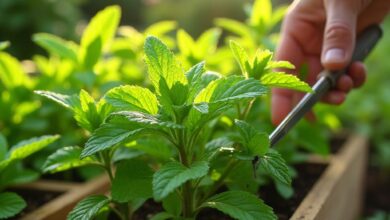
Regular harvesting encourages bushier growth and prevents your herbs from “bolting” (going to seed prematurely). Always use clean, sharp scissors or pruners. For most herbs, pinch or snip off the top few inches of growth, just above a leaf node. For basil, never take more than a third of the plant at a time. For mint and oregano, you can be a bit more aggressive. The more you harvest, the more they produce!
Pest Control: Keeping Critters at Bay
One advantage of vertical gardens is that pests are often easier to spot and manage. Regularly inspect your plants for common culprits like aphids, spider mites, or whiteflies. A strong spray of water can dislodge many pests, and an organic insecticidal soap (like diluted neem oil) can be very effective. Healthy, well-fed plants are also more resilient to pest attacks.
Propagation Methods: Sharing the Green Love
Many herbs are incredibly easy to propagate from cuttings. Simply snip a 4-6 inch stem (without flowers), remove the lower leaves, and place it in a glass of water. Within a few weeks, roots will emerge, and you’ll have a new plant ready for planting. Basil, mint, rosemary, and sage are particularly good candidates for this method. It’s a wonderful way to expand your garden or share with friends!
Expert Insider Tips for Your Vertical Herb Oasis
- Rotate for Even Growth: If your vertical garden isn’t getting uniform light, rotate the entire system or individual pots regularly (weekly or bi-weekly). This ensures all plants get their share of sun and grow evenly, preventing lopsided plants reaching for the light.
- The “Sacrificial Lamb” Strategy: For pest-prone herbs like basil, consider planting a small, non-essential “trap crop” nearby that pests prefer, such as marigolds. This can divert pests from your prized culinary herbs, making them easier to manage.
- Gentle Nutrient Boost: Instead of harsh chemical fertilizers, opt for a diluted organic liquid feed like fish emulsion or a compost tea every 2-4 weeks, especially during peak growing season. This provides a gentle, consistent nutrient supply without overwhelming your delicate herbs. Mountain Rose Herbs or Frontier Co-op are great resources for organic gardening supplies.
- Embrace Companion Planting (Vertically!): While space is limited, certain herb combinations can still be beneficial. For instance, planting chives near carrots (if you have space for small root veggies) can deter carrot rust flies, and basil is said to improve the flavor of tomatoes. Think about beneficial pairings within adjacent pockets or tiers.
- Smart Drainage for Stacked Systems: If using stacked planters, ensure each tier has proper drainage holes, and consider adding a layer of gravel or small stones at the bottom of each pot before adding soil. This prevents waterlogging in the lower tiers and ensures all plants receive adequate drainage.
Beyond Flavor: The Abundant Health and Wellness Benefits
A vertical herb garden isn’t just a culinary convenience; it’s a powerful tool for enhancing your overall well-being. The act of gardening itself is incredibly therapeutic. Spending time with plants, even just for a few minutes each day, has been shown to reduce stress, lower blood pressure, and improve mood. It connects us to nature, even in the heart of the city.
Beyond the joy of cultivation, the health benefits of fresh herbs are profound. Herbs are packed with vitamins, minerals, and potent antioxidants. By having them readily available, you’re more likely to incorporate them into your diet, boosting your nutrient intake and adding vibrant flavors without relying on excess salt or unhealthy fats. For example:
- Basil: Rich in Vitamin K and antioxidants, traditionally used for its anti-inflammatory properties.
- Mint: Known for aiding digestion and soothing upset stomachs. A fresh sprig in water or tea is wonderfully refreshing.
- Rosemary: Contains compounds thought to improve memory and concentration, and has anti-inflammatory benefits.
- Thyme: A good source of Vitamin C and A, with traditional uses as an antiseptic and immune booster.
Having fresh herbs at your fingertips encourages a healthier, more flavorful diet, making every meal a little more special and a lot more nutritious.
Common Mistakes to Avoid for Beginners
Even seasoned gardeners make mistakes, and vertical gardening has its own unique quirks. Here are a few common pitfalls to steer clear of:
- Overwatering or Underwatering: This is the number one killer of container plants. Learn to read your plants and the soil. Too much water leads to root rot; too little leads to wilting and stress.
- Insufficient Light: Placing sun-loving herbs in a dim corner is a recipe for leggy, weak plants with poor flavor. Most herbs need ample sunlight.
- Crowding Plants: While space is limited, resist the urge to cram too many plants into one small pocket or pot. Give each herb enough room to breathe and grow.
- Neglecting Pruning: Regular harvesting and pruning aren’t just for yield; they keep your plants healthy, bushy, and productive. Don’t be afraid to snip!
- Using Poor Quality Soil: Cheap, heavy garden soil will compact, drain poorly, and starve your plants of oxygen. Invest in a good potting mix.
- Forgetting to Feed: Container plants quickly deplete soil nutrients. Regular, gentle feeding is essential for sustained growth.
Safety and Precautions: A Gentle Reminder
While gardening is generally a safe and enjoyable activity, a few precautions are always wise. When handling soil, especially if you have sensitive skin, wearing gloves can prevent irritation. Be mindful of potential allergens; while most culinary herbs are safe, some individuals might have skin reactions to certain plant saps. If you’re growing herbs for medicinal purposes, always research thoroughly and consult with a healthcare professional, especially if you have underlying health conditions or are taking medications. For instance, some common herbs, like St. John’s Wort (though not typically grown in a culinary vertical garden), can interact with prescription drugs. When growing strictly for culinary use, the quantities consumed