Why the Herb Garden on Your Windowsill Is Your Most Valuable Kitchen Tool


Why the Herb Garden on Your Windowsill Is Your Most Valuable Kitchen Tool
Picture this: you’re whisking together a delicate vinaigrette, and the recipe calls for fresh basil. Instead of rummaging through the crisper drawer hoping for a limp, forgotten sprig, or worse, settling for the dusty dried flakes from the spice rack, you simply reach a few feet away to your sunny windowsill. There, vibrant green leaves stand tall, their intoxicating aroma already filling the air. You snip a few perfect leaves, and suddenly, your kitchen transforms. That, my friends, is the magic of a windowsill herb garden – it’s not just a pretty collection of plants; it’s the most potent, flavorful, and health-boosting tool in your culinary arsenal.
A Journey Through Time: The Enduring Power of Herbs
For millennia, long before supermarkets and spice aisles, humanity’s relationship with herbs was deeply intertwined with survival, medicine, and culture. Ancient Egyptians used herbs for embalming and healing, Romans adorned their feasts with aromatic garlands, and Indigenous cultures across the globe revered plants for their spiritual and medicinal properties. From the bustling spice routes of the Silk Road to the quiet monastic gardens of medieval Europe, herbs have always been central to human well-being. They were the original pharmacy, the first flavor enhancers, and the earliest forms of aromatherapy. Today, in our fast-paced world, this ancient wisdom still holds true. Cultivating herbs brings us back to our roots, offering a tangible connection to the earth and a simple, yet profound, way to elevate our daily lives. Whether it’s the invigorating zest of mint from the Middle East, the earthy warmth of oregano from the Mediterranean, or the bright freshness of parsley from Western Asia, these botanical treasures continue to enrich our plates and our health across continents and cultures.
Cultivating Culinary Brilliance: Your Windowsill Herb Garden
Your windowsill isn’t just a place for dust bunnies and forgotten knick-knacks; it’s prime real estate for a thriving miniature ecosystem that will revolutionize your cooking. Starting an indoor herb garden is surprisingly simple, and the rewards are immeasurable. Let’s delve into how to get your green pantry up and running, focusing on a few star players.
Getting Started: The Essentials
-
Containers: Choose pots with drainage holes – this is non-negotiable! Terra cotta pots are excellent as they allow the soil to breathe, but any pot will do as long as it drains. Aim for pots at least 6 inches in diameter for most herbs.
-
Soil Requirements: Forget garden soil; it’s too heavy and can harbor pests. Opt for a high-quality, lightweight potting mix. I often recommend something like Miracle-Gro Potting Mix for beginners, as it provides a great foundation for healthy root growth and includes some initial nutrients.
-
Sunlight Needs: This is the golden rule for most herbs. They crave sunlight! A south-facing window is ideal, providing at least 4-6 hours of direct sun daily. If your home is lacking in natural light, don’t despair! A simple LED grow light can work wonders, ensuring your herbs stay vibrant and productive. Rotate your pots every few days to ensure even growth.
-
Watering Schedule: Overwatering is the silent killer of many indoor plants. The best way to know when to water is to stick your finger about an inch or two into the soil. If it feels dry, it’s time to water. Water thoroughly until you see water draining from the bottom, then allow the excess to drain completely before returning the pot to its saucer.
-
Container Growing: For the windowsill, containers are your only option, but they offer incredible flexibility. You can move them for better light, bring them indoors during cold snaps, and easily manage individual plant needs.
Star Herbs for Your Windowsill & Their Culinary Charms
Let’s talk about some of my absolute favorite, easy-to-grow herbs that will make your kitchen sing:
-
Basil (Ocimum basilicum): The undisputed king of Italian cuisine! Its sweet, peppery aroma is unmistakable.
-
Flavor Profile: Sweet, pungent, slightly peppery, with notes of anise and mint.
-
Best Food Pairings: Tomatoes (Caprese salad!), mozzarella, pasta, pesto, chicken, fish, eggs, and even strawberries.
-
Cooking Techniques: Best added at the end of cooking to preserve its delicate flavor. Tear or finely chop. Perfect for pestos, garnishes, and infusing oils.
-
Growing Tips: Loves warmth and sun. Start from Burpee Seeds or buy a small plant. Pinch off the top sets of leaves regularly to encourage bushy growth and prevent it from flowering prematurely.
-
-
Mint (Mentha spp.): Invigorating and wonderfully fragrant. Be warned, mint is a vigorous grower!
-
Flavor Profile: Cool, refreshing, bright, with varieties ranging from spearmint (sweet) to peppermint (mentholated).
-
Best Food Pairings: Lamb, peas, chocolate, fruit salads, iced tea, cocktails (hello, mojitos!), yogurt, and Middle Eastern dishes.
-
Cooking Techniques: Chop finely for salads, add whole leaves to drinks, or steep for tea. Great with both sweet and savory dishes.
-
Growing Tips: Keep it in its own pot, as its roots will quickly take over. It tolerates a bit less sun than basil. Harvest frequently by snipping stems.
-
-
Chives (Allium schoenoprasum): The delicate cousin of onions, offering a mild allium punch.
-
Flavor Profile: Mild onion, garlicky, fresh, and slightly grassy.
-
Best Food Pairings: Eggs (omelets, scrambled), potatoes, sour cream, fish, soups, salads, and as a garnish for almost anything.
-
Cooking Techniques: Snip with scissors directly over dishes. Best added fresh at the end of cooking or as a garnish.
-
Growing Tips: Easy to grow from seed or by dividing an existing clump. They thrive in good light but are quite forgiving. Snip from the outside in, about an inch from the soil line.
-
-
Parsley (Petroselinum crispum): A workhorse herb, essential in countless cuisines. Flat-leaf (Italian) is generally preferred for cooking, while curly is great for garnishes.
-
Flavor Profile: Fresh, green, slightly peppery, with a clean finish. Flat-leaf has a stronger flavor.
-
Best Food Pairings: Soups, stews, salads (tabbouleh!), pasta, fish, chicken, marinades, and as a ubiquitous garnish.
-
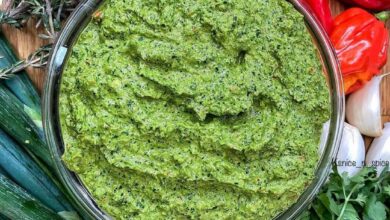
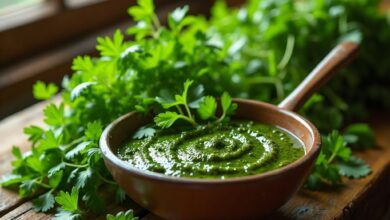
Cooking Techniques: Chop finely. Can withstand some cooking, but often added towards the end to maintain freshness. Great in chimichurri.
-
Growing Tips: Can be slow to germinate from seed. Prefers consistent moisture and good light. Harvest outer stems first.
-
Harvesting Techniques: The Art of the Snip
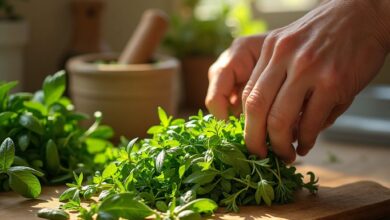
The beauty of a windowsill garden is that the more you harvest, the more it grows! For most herbs, pinch or snip off the top few sets of leaves or entire stems. This encourages the plant to branch out, becoming bushier and more productive. Avoid stripping all the leaves from one stem; instead, take a little from here and a little from there.
Pest Control: Keeping Your Garden Healthy
Indoor plants can still attract pests. Keep an eye out for tiny gnats (often a sign of overwatering), spider mites, or aphids. A simple solution of water with a few drops of dish soap sprayed on the leaves can often deter them. For more persistent issues, consider organic options like neem oil, available from suppliers like Mountain Rose Herbs or Frontier Co-op.
Expert Insider Tips from My Kitchen to Yours
-
Succession Planting for Basil: Basil has a relatively short lifespan. To ensure a continuous supply, plant a new batch of seeds every 3-4 weeks. This way, as one plant starts to fade, another is ready to take its place.
-
The “Pinch” Method for Bushiness: For herbs like basil, oregano, and mint, always pinch off the top growth just above a leaf node. This forces the plant to create two new stems, resulting in a much bushier, more productive plant rather than a tall, leggy one.
-
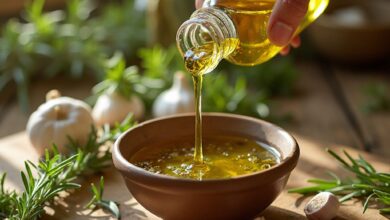
Herb Ice Cubes for Winter: Have an abundance of herbs? Don’t let them go to waste! Chop them finely, place them in ice cube trays, cover with olive oil or water, and freeze. Pop them out and store in a freezer bag. These are perfect for dropping into soups, stews, or sauces when fresh herbs aren’t available.
-
Rooting Cuttings in Water: Many herbs like mint, basil, and even rosemary can be propagated simply by placing a fresh cutting (with lower leaves removed) into a glass of water. Once roots develop, plant them in soil for new plants!
-
Gentle Fertilization: Indoor herbs, especially in smaller pots, will eventually deplete the soil’s nutrients. A diluted, all-natural liquid fertilizer (like a fish emulsion or seaweed extract) applied every 2-4 weeks during the growing season can keep them robust. Always follow package directions.