
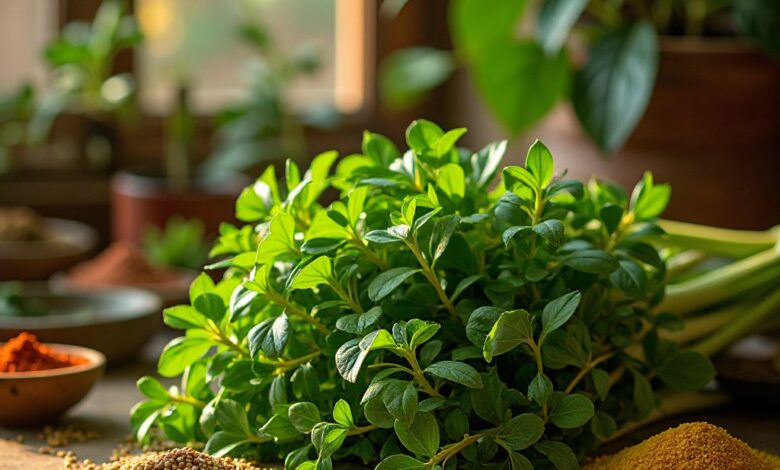
Why Fenugreek Is the Herb That Transforms African and Asian Cooking
Imagine a tiny, unassuming seed, humble in appearance, yet capable of unlocking an entire spectrum of flavors – from a surprising bitterness to a warm, nutty sweetness reminiscent of maple syrup. This isn’t a culinary myth; it’s the magical reality of fenugreek. For centuries, this incredible herb has been the secret ingredient, the understated superstar, that elevates dishes across vast continents, weaving its distinctive essence into the very fabric of African and Asian cuisine. Prepare to have your taste buds awakened, your cooking transformed, and your understanding of flavor deepened by the profound power of fenugreek.
Background: A Spice Steeped in History and Culture
Fenugreek, scientifically known as Trigonella foenum-graecum, boasts an astonishingly rich history, tracing its roots back to ancient civilizations. Archaeological evidence suggests its use dating back to 4000 BC in Iraq, and it was a prized commodity in ancient Egypt, where it was used for embalming, incense, and medicine. From its probable origins in the Mediterranean region and Western Asia, fenugreek journeyed across trade routes, embedding itself deeply into the culinary and medicinal traditions of India, North Africa, and the Middle East.
In India, fenugreek is revered not just as a spice but as a cornerstone of Ayurvedic medicine, known as “Methi.” It’s an essential component of countless regional dishes, symbolizing warmth, depth, and a connection to ancestral cooking wisdom. Similarly, in North African nations like Morocco and Ethiopia, fenugreek seeds and leaves lend their unique character to hearty stews, tagines, and traditional breads, embodying the soul of home cooking. Its presence in these cultures is more than just flavor; it represents heritage, health, and the comforting taste of tradition, passed down through generations.
The Culinary Alchemy of Fenugreek
Fenugreek is a chameleon in the kitchen, offering both seeds and leaves, each with its own distinct personality and culinary application. Understanding these nuances is key to harnessing its full transformative potential.
Flavor Profiles: A Symphony of Taste
- Fenugreek Seeds: These small, hard, yellowish seeds are where the magic truly begins. Raw, they possess a pronounced bitterness. However, when toasted or cooked, they undergo a remarkable metamorphosis, developing warm, nutty, slightly sweet notes that often evoke hints of maple syrup or burnt sugar. This duality is fenugreek’s secret weapon, providing both depth and an intriguing sweetness to savory dishes.
- Fresh Fenugreek Leaves (Methi): Known as “Methi” in Hindi, the fresh leaves offer a vibrant, slightly bitter, and earthy flavor, akin to a stronger, more pungent spinach or watercress. They bring freshness and a herbaceous quality to dishes.
- Dried Fenugreek Leaves (Kasoori Methi): These are the dried, crumbled leaves, prized for their intense, concentrated aroma and a slightly bitter, almost mushroom-like flavor. They impart a distinct, savory fragrance that is instantly recognizable in many Indian dishes.
Best Food Pairings: A World of Harmony
Fenugreek’s unique flavor profile makes it an indispensable partner for a wide array of ingredients:
- Lentils and Legumes: Fenugreek seeds temper the earthiness of lentils, making them richer and more complex. Think classic Indian dals or Ethiopian wots.
- Root Vegetables: Potatoes, carrots, and sweet potatoes absorb fenugreek’s nutty notes beautifully, especially in curries and stews.
- Meats and Poultry: Lamb, chicken, and even goat benefit from fenugreek’s ability to cut through richness, adding a layer of sophisticated flavor to tagines, curries, and roasts.
- Pickles and Chutneys: The bitterness of fenugreek seeds acts as a fantastic counterpoint in tangy and spicy condiments, adding depth and a preservative quality.
- Breads: Fresh fenugreek leaves are often kneaded into dough for flatbreads like Methi Paratha, imbuing them with a delightful herbaceous aroma.
Cooking Techniques: Unleashing Fenugreek’s Power
Mastering fenugreek requires understanding the right technique for each form:
- Toasting Whole Seeds: This is perhaps the most crucial step for fenugreek seeds. Gently toast them in a dry pan over medium heat until fragrant and slightly darker. This process mellows their bitterness and brings out their characteristic nutty, maple-like notes. Be careful not to burn them, as this will result in an acrid taste. Once toasted, they can be used whole in tempering or ground into a powder.
- Tempering (Tadka): Whole fenugreek seeds are often fried briefly in hot oil or ghee with other spices (like cumin, mustard seeds) at the beginning of cooking. This infuses the oil with their flavor, which then permeates the entire dish.
- Soaking Seeds: For some recipes, particularly those aiming to reduce bitterness or for sprouting, fenugreek seeds are soaked in water overnight. This softens them and can make them more palatable.
- Using Fresh Leaves: Treat fresh methi leaves much like spinach. Wash them thoroughly, chop, and add to curries, stir-fries, or knead into dough. They cook down quickly and lend a fresh, slightly bitter, and earthy note.
- Using Dried Leaves (Kasoori Methi): These are best added towards the end of cooking, often crushed between your palms just before adding, to release their potent aroma. They are a staple in many creamy Indian curries, imparting an unparalleled fragrance.
Storage Tips
To preserve fenugreek’s potent flavors, store seeds and dried leaves in airtight containers in a cool, dark place. Whole seeds, like those from Mountain Rose Herbs or Frontier Co-op, can last for several years, while ground fenugreek (like Simply Organic’s offering) will lose potency more quickly. Fresh leaves should be stored in the refrigerator, wrapped in a damp paper towel, and used within a few days.
Substitution Options
Fenugreek’s flavor is quite unique, making direct substitutions challenging. For the bitter-nutty notes of the seeds, a small amount of mustard seeds or cumin might offer a distant echo, but won’t replicate the maple-like undertones. For the fresh leaves, a mix of spinach and a tiny pinch of dried fenugreek might work, but the true essence will be missed. It’s truly an herb worth seeking out!
Expert Insider Tips for Fenugreek Mastery
- The Toasting Transformation is Key: I cannot stress this enough. Raw fenugreek seeds can be intensely bitter. A gentle, dry toast in a pan for 1-2 minutes until fragrant and slightly browned is essential to unlock their complex, nutty, and slightly sweet notes. This is the difference between a bitter mishap and a culinary revelation.
- Balance the Bitterness: Fenugreek, especially the seeds, has a natural bitterness. When incorporating it, consider pairing it with ingredients that can balance this – think acidic components like tomatoes or tamarind, sweet elements like onions or jaggery, or rich ingredients like coconut milk or yogurt.
- Kasoori Methi’s Late Entrance: Dried fenugreek leaves (Kasoori Methi) are best added towards the very end of cooking. Crush them between your palms just before adding to release their volatile oils and intense aroma. This ensures their distinctive fragrance isn’t cooked away.
- Homemade Fenugreek Powder: For the freshest and most vibrant flavor, buy whole fenugreek seeds (I often recommend quality suppliers like Frontier Co-op for bulk or Mountain Rose Herbs for organic options), toast them yourself, and then grind them into a powder as needed. This significantly outperforms pre-ground versions in terms of aroma and taste.
- Sprouting for a Nutty Crunch: Fenugreek seeds can be easily sprouted at home. Soaked and sprouted fenugreek adds a fresh, slightly crunchy texture and a mild, nutty flavor to salads, sandwiches, or as a garnish. It also enhances their nutritional value.
Health and Wellness Benefits: Beyond the Plate
Fenugreek isn’t just a culinary star; it’s a powerhouse of wellness, recognized for centuries in traditional medicine systems like Ayurveda. Modern research continues to validate many of its ancient uses:
- Blood Sugar Regulation: Fenugreek seeds are renowned for their potential to help manage blood sugar levels. They contain soluble fiber and compounds that may slow down carbohydrate absorption and improve insulin sensitivity, making them of interest to those managing diabetes.
- Lactation Support: For nursing mothers, fenugreek has long been a popular galactagogue, believed to increase milk supply. Many women find relief and support from fenugreek supplements or teas.
- Digestive Health: The fiber content in fenugreek aids digestion, can relieve constipation, and may help soothe digestive inflammation. Its mucilaginous fiber can also provide a protective lining to the stomach and intestines.
- Cholesterol Management: Some studies suggest that fenugreek can help lower LDL (“bad”) cholesterol and triglyceride levels, contributing to cardiovascular health.
- Anti-inflammatory Properties: Fenugreek contains antioxidants and anti-inflammatory compounds that may help reduce inflammation throughout the body.
Common Mistakes to Avoid
Even seasoned cooks can stumble with fenugreek. Here are some pitfalls to steer clear of:
- Over-Toasting or Burning Seeds: This is the most common mistake. Burnt fenugreek seeds turn acrid and intensely bitter, ruining the entire dish. Toast gently until fragrant, not dark brown or smoking.
- Using Too Much: Fenugreek has a potent flavor. A little goes a long way. Start with a small amount (e.g., 1/4 to 1/2 teaspoon of seeds for a family-sized curry) and adjust to your taste preferences.
- Ignoring the Form: Don’t substitute fresh leaves for dried leaves or vice versa without understanding the impact. They have distinct flavor profiles and intensities.
- Not Soaking for Specific Uses: If a recipe calls for soaked fenugreek seeds (e.g., for sprouting or reducing bitterness in certain preparations), don’t skip this step.
Safety and Precautions
While fenugreek is generally safe for most people in culinary amounts, there are important considerations:
- Pregnancy: Pregnant women should avoid fenugreek, especially in medicinal doses, as it can potentially stimulate uterine contractions.
- Diabetes Medication: Due to its blood sugar-lowering effects, individuals on diabetes medication