
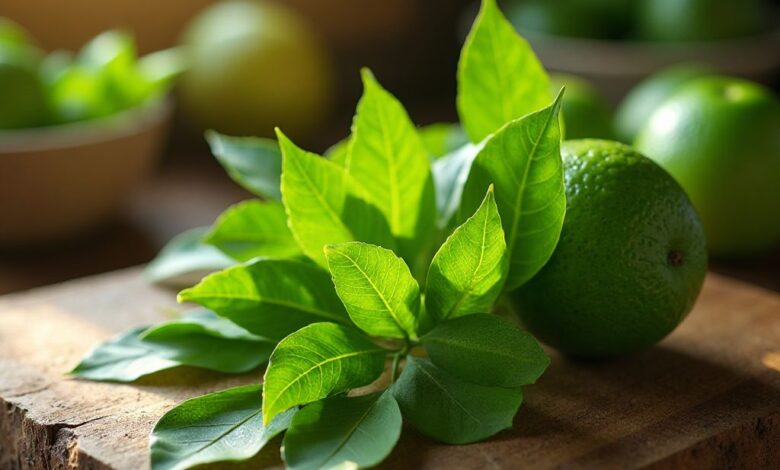
Why Kaffir Lime Leaves Are the Most Aromatic Secret in Thai Cooking
Imagine closing your eyes and taking a deep breath, and suddenly, you’re not in your kitchen anymore. Instead, you’re transported to a vibrant, bustling street market in Thailand, the air thick with exotic spices, the sizzle of woks, and the unmistakable, intoxicating perfume of something bright, citrusy, and deeply aromatic. This isn’t just a fantasy; it’s the power of the kaffir lime leaf, a humble herb that holds the undisputed title of the most aromatic secret in Thai cooking. For years, I’ve journeyed through the world of herbs, spices, and natural wellness, and few ingredients have captivated my senses and culinary imagination quite like the kaffir lime leaf. It’s more than just a flavor enhancer; it’s a sensory passport, a whisper of ancient traditions, and an indispensable element that defines the very soul of Southeast Asian cuisine.
The Heart of Southeast Asia: A Journey Through Makrut Lime’s Legacy
Known botanically as Citrus hystrix, and often referred to by its traditional name, makrut lime, the kaffir lime tree is a small, thorny citrus tree native to tropical Asia, particularly Thailand, Laos, Cambodia, Vietnam, Indonesia, and Malaysia. Its distinctive double-lobed leaves are what we primarily cherish in the culinary world, though the bumpy, intensely aromatic fruit also plays a significant role, especially its zest. For centuries, this remarkable plant has been more than just a kitchen staple; it’s woven into the cultural fabric of these nations.
In Thailand, where it is called bai makrut, the leaves are as ubiquitous as basil in Italian cooking, gracing everything from fragrant curries and spicy soups to invigorating salads and even desserts. Its presence signifies authenticity, a deep connection to the land and its culinary heritage. Beyond the kitchen, the fruit and leaves have been traditionally used in household cleaning, as a natural shampoo for hair, and even in spiritual rituals for purification. It’s a testament to the plant’s versatility and the profound respect it commands in these cultures. Today, as global palates become more adventurous, the unique aroma of kaffir lime leaves has captivated chefs and home cooks worldwide, bringing a piece of Southeast Asia’s vibrant essence to tables far and wide.
Unlocking the Aromatic Magic: Kaffir Lime Leaves in Your Kitchen
Kaffir lime leaves are a culinary marvel, offering a flavor profile unlike any other citrus. Understanding their nuances is key to truly harnessing their power.
Flavor Profiles: A Symphony of Scent and Taste
The aroma of kaffir lime leaves is truly extraordinary. It’s intensely fragrant, a complex blend of bright citrus, floral notes, hints of pine, and a delicate, almost peppery finish. Unlike the sharp acidity of regular lime juice or zest, kaffir lime leaves offer a more rounded, fragrant citrus essence that’s less sour and more aromatic. It’s refreshing, uplifting, and incredibly distinctive, providing an immediate recognition factor in dishes where it’s used.
Best Food Pairings: Where Kaffir Lime Leaves Shine
Kaffir lime leaves are the unsung heroes of countless Southeast Asian dishes. They are absolutely indispensable in:
- Thai Curries: From the fiery Green Curry (Gaeng Keow Wan) to the rich Red Curry (Gaeng Phet) and the nutty Panang Curry, kaffir lime leaves are simmered whole or finely sliced into the curry paste, infusing the coconut milk base with their signature fragrance.
- Soups: The iconic Tom Yum Goong (Spicy Shrimp Soup) and the creamy Tom Kha Gai (Chicken Coconut Soup) owe much of their aromatic depth to bruised kaffir lime leaves, which release their oils beautifully into the hot broth.
- Stir-fries and Salads: Finely slivered leaves add a refreshing zest to stir-fried chicken or pork, and a vibrant touch to fresh salads like Yam Pla Duk Foo (Crispy Catfish Salad).
- Marinades: Chopped or bruised leaves can elevate marinades for grilled fish, chicken, or tofu, imparting a bright, herbaceous note.
- Fish and Seafood: Their citrusy aroma naturally complements the delicate flavors of fish and shellfish, often used in steaming or baking preparations.
- Desserts and Drinks: While less common, kaffir lime leaves can add an intriguing, sophisticated twist to certain custards, sorbets, or infused simple syrups for cocktails.
Cooking Techniques: Maximizing Flavor Release
The beauty of kaffir lime leaves lies in their versatility. Here’s how to get the most out of them:
- Bruising: For soups, curries, and stews, simply tear or bruise the leaves before adding them to the pot. This breaks down the cell walls and releases their essential oils, allowing them to infuse the liquid.
- Simmering: Add bruised whole leaves early in the cooking process to allow their flavors to meld and deepen over time. They are typically removed before serving, much like bay leaves.
- Finely Slicing (Chiffonade): For a burst of fresh flavor and a beautiful garnish, stack several leaves, roll them tightly, and slice them into hair-thin strips. These delicate ribbons are perfect for stir-fries, salads, or as a finishing touch on curries.
- Pounding into Paste: For truly authentic curry pastes, the fibrous central vein is removed, and the leaves are finely chopped before being pounded with other aromatics in a mortar and pestle. This ensures their flavor is fully integrated.
Storage Tips: Keeping the Aroma Alive
Preserving the potent aroma of kaffir lime leaves is crucial:
- Fresh: Store fresh leaves in an airtight bag or container in the refrigerator for up to two weeks.
- Frozen: For longer storage, freeze whole leaves in an airtight freezer bag. They will retain their flavor and aroma for several months, ready to be pulled out and used directly from the freezer. This is my preferred method, ensuring I always have them on hand.
- Dried: While fresh is always best, dried kaffir lime leaves are a viable option, especially if fresh ones are hard to find. They will have a more subdued aroma, but still contribute to the dish. Store dried leaves from reputable suppliers like Mountain Rose Herbs or Frontier Co-op in a cool, dark, airtight container, and consider toasting them lightly before use to revive some of their fragrance.
Substitution Options: When Necessity Calls (But Don’t Expect Miracles)
Let me be direct: there is no true substitute for kaffir lime leaves. Their unique aromatic profile is simply irreplaceable. However, if you are in a pinch and absolutely cannot find them, here are some *distant* alternatives that might offer a hint of the desired effect, but manage your expectations:
- Lime Zest + Bay Leaf: A combination of fresh lime zest (for citrus brightness) and a bay leaf (for a subtle herbaceous, slightly floral note) can offer a *very* faint approximation in simmering dishes.
- Lemon Verbena: If you happen to grow it, lemon verbena has a beautiful citrusy-lemony scent that can work in some contexts, but it lacks the distinctive floral-pine notes of kaffir lime.
My advice? Seek out fresh or frozen kaffir lime leaves. Most Asian grocery stores stock them, and the difference they make is worth the effort.
Expert Insider Tips: Unlocking Deeper Flavors
After years of experimenting and learning from master Thai cooks, I’ve gathered a few secrets to truly elevate your kaffir lime leaf game:
- Don’t Discard the Zest: While the leaves are the star, the bumpy fruit’s zest is incredibly potent and adds another layer of complexity. If you can find the fruit, finely grate the zest into curry pastes or marinades for an extra aromatic punch. Just be mindful, as it’s very intense.
- Grow Your Own: If you live in a warm climate or have a sunny spot indoors, consider growing your own makrut lime tree! It’s incredibly rewarding to step into your garden (or patio) and snip fresh leaves as needed. Look for young plants at your local nursery or from specialty growers; they are generally more robust than trying to grow from seed.
- Toast Dried Leaves: If you’re using dried kaffir lime leaves (perhaps from your stash of Mountain Rose Herbs), a quick toast in a dry pan for 30 seconds to a minute before adding them to your dish can significantly revive their aroma and deepen their flavor. Watch them carefully to prevent burning.
- Freeze in Portions: When freezing fresh leaves, consider bundling them in small groups (e.g., 3-5 leaves) before placing them in a larger freezer bag. This way, you can easily grab just the amount you need without thawing the entire batch.
- Remove the Central Vein for Pastes: When making curry pastes or finely slicing the leaves for a delicate dish, always remove the tough central vein. It can be fibrous and slightly bitter, detracting from the overall texture and flavor. Simply fold the leaf in half and tear or cut out the vein.
Health and Wellness Benefits: Beyond the Kitchen
While celebrated for its culinary prowess, kaffir lime leaves also offer a spectrum of traditional health benefits, many of which are now being explored by modern research. The essential oils found in the leaves are rich in compounds like citronellal, limonene, and pinene, which contribute to their therapeutic properties.
- Digestive Aid: Traditionally, kaffir lime has been used to support digestion and alleviate issues like bloating and indigestion. Its aromatic compounds can stimulate digestive enzymes.
- Anti-inflammatory Properties: The essential oils in kaffir lime leaves are believed to possess anti-inflammatory qualities, which can be beneficial for soothing various bodily discomforts.
- Antioxidant Power: Like many citrus plants, kaffir lime leaves are a source of antioxidants, which help combat free radicals in the body, contributing to overall cellular health and wellness.
- Stress Reduction: The uplifting and refreshing aroma of kaffir lime is often used in aromatherapy to reduce stress and anxiety, promoting a sense of calm and well-being.
- Natural Cleanser: Beyond internal benefits, the fruit and leaves have been traditionally used as a natural cleanser for skin and hair, owing to their antibacterial properties.
While these benefits are promising, it’s important to remember that culinary use is generally in small quantities. For specific health concerns, consult a healthcare professional.
Common Mistakes to Avoid: Mastering Kaffir Lime Leaves
Even seasoned cooks can sometimes falter with this unique herb. Here are the most common pitfalls to sidestep:
- Forgetting to Bruise/Tear: Simply tossing whole, unbruised leaves into a dish won’t release their full aromatic potential. Always give them a good tear or bruise to activate those essential oils.
- Using Too Many: While incredibly fragrant, kaffir lime leaves are potent. A little goes a long way. Too many can overpower a dish, making it taste bitter or overly perfumed. Start with 2-3 leaves for a standard curry or soup, and adjust